




A Return to Wellness
One of the most significant drivers behind the comeback of earthen pottery is a renewed focus on health and wellness. Many people are turning to traditional wisdom as an antidote to modern lifestyle concerns. For instance, clay water pots, or 'matkas',
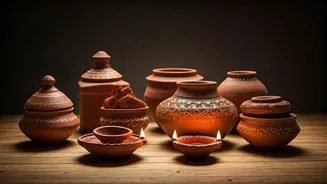
are prized for their natural ability to cool water without electricity, a welcome feature during India's hot summers. The porous nature of the clay also reportedly helps in balancing the water's pH level, making it gentler on the stomach. Beyond water storage, cooking in clay vessels is gaining traction. The slow and even heat distribution in clay pots helps retain the nutrients, moisture, and flavour of food, which can be lost with high-heat cooking in metal pans. This method also reduces the need for excess oil. For a generation increasingly wary of non-stick coatings and plastics, unglazed, chemical-free terracotta offers a non-toxic and wholesome alternative.
The Allure of Rustic-Chic Aesthetics
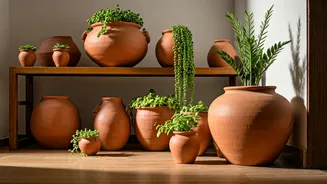
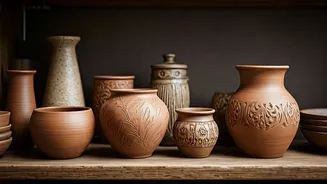
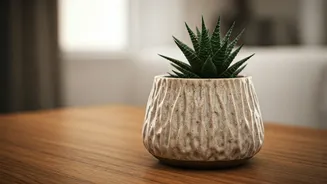
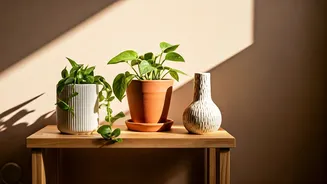
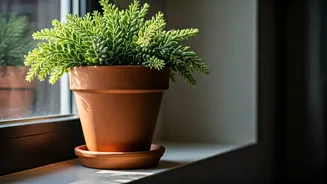
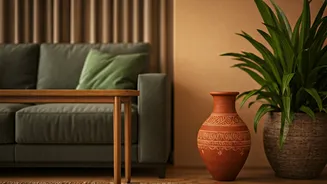
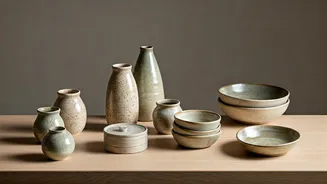
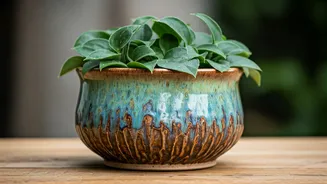
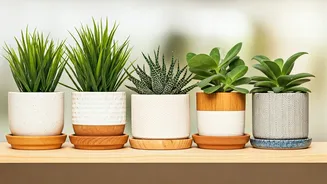
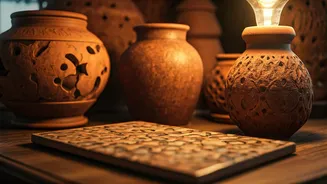
The trend is not just about health; it's also a style statement. The warm, earthy tones of terracotta are making a huge comeback in interior design, aligning with global trends that favour natural materials and textures. For renters, who often deal with generic white walls and may be restricted from making permanent changes, pottery offers an easy and impactful way to inject personality into a space. A single large terracotta planter can transform a dull corner, while a collection of smaller clay pots on a balcony can create a serene green escape. These items add a rustic, handcrafted charm that feels authentic and visually calming. Social media platforms are filled with inspiration, showcasing how terracotta decor, from vases to wall plates, can be styled in minimalist, bohemian, or eclectic homes, making them look curated and soulful.
Sustainability and Conscious Consumerism
The move towards earthen pottery is also deeply rooted in a growing environmental consciousness. As consumers become more aware of the impact of plastic and mass-produced goods, they are actively seeking sustainable alternatives. Earthenware is a perfect fit. Made from natural clay, it is biodegradable and has a much lower carbon footprint compared to plastic or metal. This choice reflects a desire to live more sustainably and mindfully. Moreover, buying from local potters is a direct way to support India's rich artisanal heritage. Many renters, particularly young professionals, feel a sense of responsibility and pride in contributing to the livelihoods of local craftspeople, ensuring that age-old skills are preserved rather than lost to industrial manufacturing. This act of purchasing becomes a vote for a more sustainable and equitable economy.
Affordability and Practicality for a Transient Life
For renters, financial and practical considerations are always key. Earthenware is incredibly budget-friendly. A renter might hesitate to invest in an expensive water purifier or designer decor for a home they may only live in for a year or two. A clay matka, on the other hand, is an affordable, effective, and stylish solution. The same logic applies to decor and cookware. It’s a low-risk way to furnish a temporary home without compromising on style or function. Renters can create a beautiful, personalised space without the financial commitment of high-end items. The inherent practicality of pottery—its ability to keep food warm naturally and its versatility—adds to its appeal for those navigating the transient nature of rental life.