






More Than Just Noise
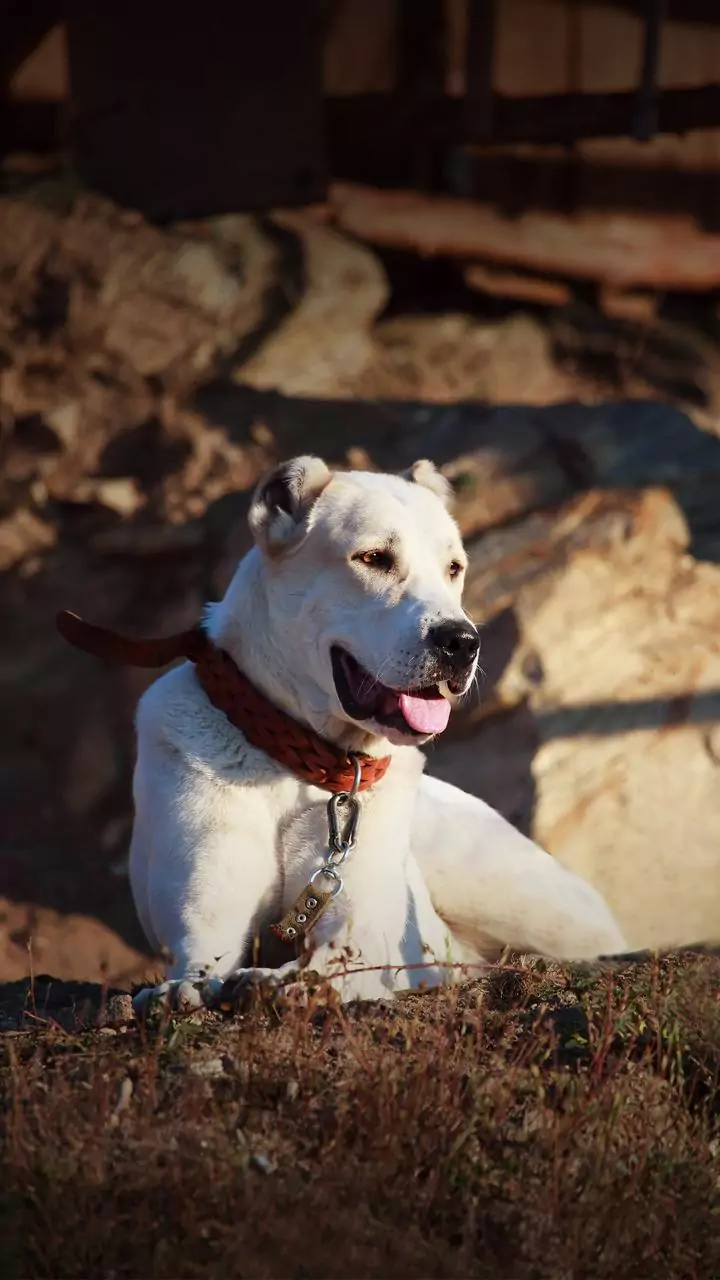
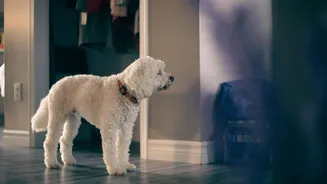
For many dogs, the fear of thunderstorms—often called astraphobia—is about more than just the loud claps of thunder. Their senses are far more acute than ours. They can often detect the drop in barometric pressure and changes in the air that signal an approaching
storm long before we can. This creates a sense of anticipatory anxiety. Some experts also believe that the buildup of static electricity in the atmosphere is a major factor. Dogs may feel an uncomfortable tingling sensation or even experience small static shocks on their fur and sensitive noses, driving them to seek out grounded places in the home, like basements or bathrooms. When you add in the disorienting flashes of lightning and the low-frequency rumbles we can't even hear, it becomes a full-blown sensory assault.
The Power of the Den
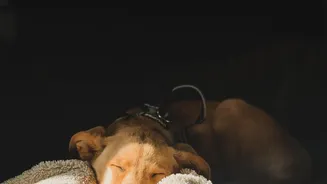
When faced with this sensory overload, many dogs revert to a powerful, primal instinct: denning. Their ancestors, wild canids, built dens as safe shelters to rest, raise pups, and hide from predators and harsh weather. This instinct remains deeply embedded in modern dogs. An enclosed, dark space makes them feel protected and secure because it limits their exposure. Nothing can sneak up on them from behind or the side. By hiding, they are trying to self-soothe and regain a sense of control over their overwhelming environment. Creating a designated “safe space” isn’t just spoiling them; it’s providing a crucial tool that caters directly to this natural coping mechanism.
How to Build the Perfect Cozy Corner
Creating an effective safe space, or 'thunder den,' is simple, even in a compact city apartment. The key is to make it a positive place before a storm hits. Start by choosing a spot your dog already gravitates towards when nervous. Interior, windowless rooms like a bathroom or a large closet are ideal because they naturally muffle sound and block out lightning. If your dog is crate-trained, their crate is a perfect foundation. Cover the crate with heavy blankets to block light and dampen noise, but always leave the door open so they don't feel trapped. If you don’t use a crate, a comfy bed tucked into a corner, under a desk, or in a closet works just as well. Add their favourite soft blankets and a t-shirt that smells like you for extra comfort. The goal is to create a small, dark, enclosed area that feels like a secure burrow.
Making the Space a Sanctuary
A cozy corner is most effective when your dog associates it with peace and safety, not just with scary storms. Introduce the space during calm weather. Encourage your dog to explore it on their own terms, perhaps by leaving special toys or long-lasting treats inside. Never force your dog into the space during a storm, as this can create a negative association. During the storm, stay calm yourself, as your dog will pick up on your anxiety. You can play some soft classical music or turn on a white noise machine to help mask the thunder. Offering a puzzle toy or a favourite chew can also provide a welcome distraction. While it's tempting to offer lots of cuddles and reassurance, be careful not to excessively 'reward' the fearful behaviour. Instead, your calm presence near their safe space can show them there is nothing to fear.