






From Medical Device to Wellness Gadget
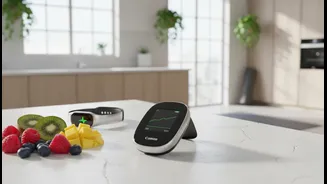
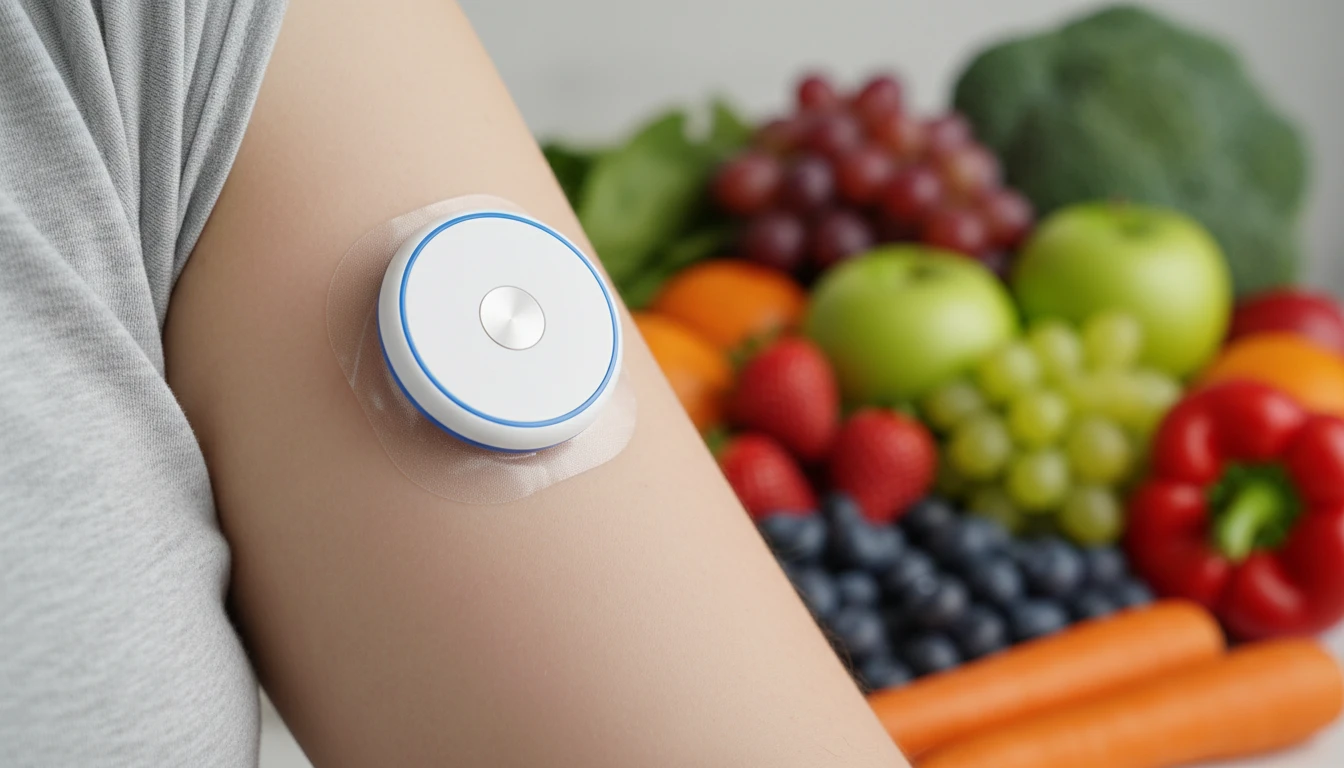
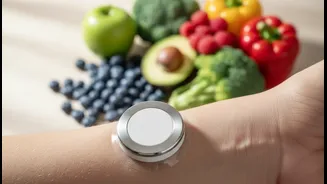
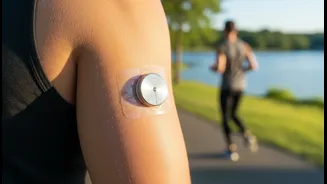
What was once a tool exclusively for managing diabetes is now the talk of the wellness community. A continuous glucose monitor, or CGM, is a small sensor typically worn on the upper arm. It measures the glucose (sugar) levels in the fluid just under your
skin, providing real-time data to a smartphone app. Originally designed to help people with diabetes avoid dangerous highs and lows in blood sugar, CGMs are now being adopted by health-conscious individuals to gain a deeper understanding of their metabolic health. This shift represents a move from reactive medical treatment to proactive, personalised wellness.
The Promise of Personalised Nutrition
The core appeal of using a CGM for wellness is the power of personalised feedback. While traditional diet advice often relies on generic rules like calorie counting, a CGM reveals exactly how your unique body responds to specific foods, exercise, stress, and sleep. You might see that a banana causes a larger glucose spike for you than a piece of toast, or that a short walk after a meal helps stabilise your levels. This data allows users to move beyond the one-size-fits-all approach and tailor their eating habits to maintain stable glucose levels, which proponents link to consistent energy, better mood, and reduced cravings.
How the Technology Works
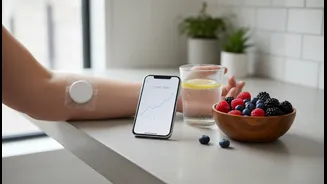
The user experience is straightforward. A small sensor is applied to the arm, where a tiny, flexible filament sits just below the skin—most users report it's painless. This sensor measures glucose every few minutes, 24/7, for a period of about 10 to 14 days before it needs to be replaced. The data is transmitted wirelessly to an app, which displays glucose trends over time. Companies in India and abroad, such as Ultrahuman, HealthifyMe, Levels, and Nutrisense, have built platforms around this technology, often pairing the hardware with AI-driven insights, coaching, and community features to help users interpret their data and make actionable lifestyle changes.
Beyond Weight Management
While many users are drawn to CGMs for weight management—as stable blood sugar can help regulate hunger and fat storage—the reported benefits extend further. Athletes use them to optimise fuelling for performance, while bio-hackers aim for enhanced cognitive function and focus by avoiding energy crashes. There's also a preventative aspect; by understanding and managing glucose responses, some users hope to reduce their long-term risk of metabolic conditions like prediabetes and type 2 diabetes.
A Word of Caution from Experts
Despite the enthusiasm, many medical professionals advise caution. Endocrinologists point out that the research on CGM use in healthy, non-diabetic populations is still limited. There's concern that without clinical guidance, people might misinterpret normal glucose fluctuations, leading to unnecessary anxiety or overly restrictive diets. The devices can also be inaccurate, with some studies showing they can overestimate glucose levels compared to gold-standard finger-prick tests. Furthermore, the cost can be a significant barrier, as these devices and their associated subscription services are not typically covered by insurance for wellness purposes and can run into thousands of rupees per month.