



A New Vision for Urban Wildlife
In a move that promises to put Lucknow on the global wildlife tourism map, India is developing its first urban night safari in Kukrail Reserve Forest. After receiving the final green light from the Supreme Court in July 2026, the ambitious project is now set
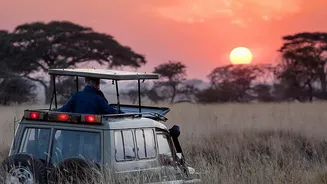
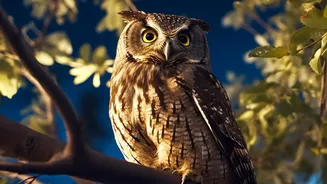
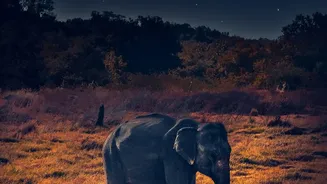
to move forward. Inspired by world-renowned attractions like Singapore's Night Safari, this initiative aims to create an immersive experience where visitors can observe nocturnal and crepuscular (active at twilight) animals in their natural, active states. Unlike a traditional zoo, which primarily operates during the day when many animals are resting, the night safari uses specially designed, simulated moonlight to illuminate the habits of creatures of the night without disturbing them.
Inside the Kukrail Project
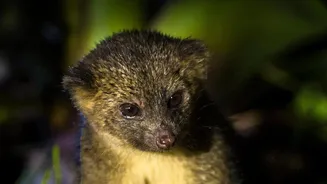
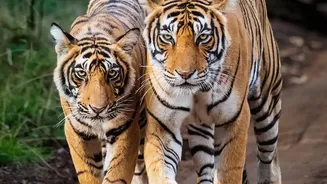
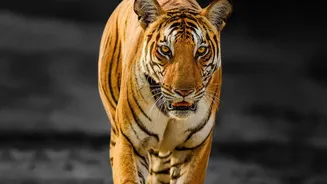
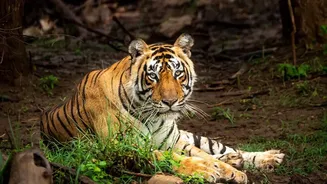
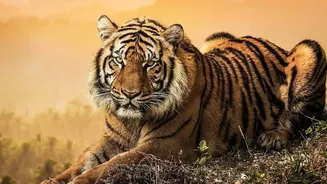
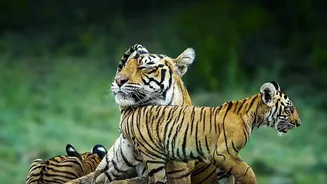
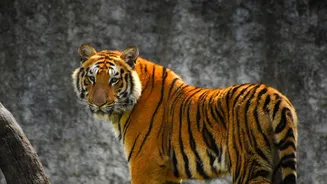
The project is planned for a sprawling 855-acre section within the larger 2,027-hectare Kukrail Reserve Forest. With an estimated cost of around ₹1,500 crore, the development will be executed in phases, with the first phase dedicated to the night safari and an associated day zoo. Visitors will journey through the park on quiet, battery-operated trams for a guided tour lasting approximately 40 minutes. The design focuses on creating large, naturalistic habitats for species like Asiatic lions, Bengal tigers, leopards, and flying squirrels, separated from visitors by moats or other unobtrusive barriers rather than traditional cages. The site will also feature amenities such as a 7D theatre, interpretation centres, and nature trails, all designed to enhance the visitor experience.
More Than an Attraction: A Hub for Education
A core objective of the Kukrail Night Safari is to serve as a powerful educational tool. By showcasing nocturnal species often overlooked in conventional zoos, the project aims to foster a deeper public appreciation for India's diverse fauna and the importance of its conservation. Interpretation centres and guided tours will provide detailed information about the animals, their behaviours, and the threats they face in the wild. This focus on education is designed to bridge the gap between urban populations and the natural world, inspiring a new generation of conservation advocates. The park intends to be a living laboratory, promoting research on nocturnal wildlife behaviour.
Championing Eco-Tourism and Conservation
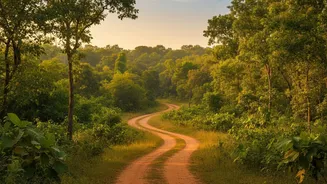
The project is being developed with a strong emphasis on sustainability and minimal environmental impact. The plan mandates that a significant portion of the project area will be maintained as a green zone, and the entire facility is intended to be solar-powered. The development faced years of scrutiny due to the ecological sensitivity of the Kukrail forest, which led to significant modifications. For instance, a proposal to construct a four-lane road was rejected to save hundreds of trees. The park will also build upon the area's existing conservation legacy; Kukrail is already home to an internationally recognised Gharial Rehabilitation Centre, which will continue its vital work.
What to Expect and When
Following years of planning and regulatory approvals, the project is finally moving towards construction. The first phase is expected to take approximately two years to complete, with officials targeting a potential opening for visitors by late 2026 or early 2027. The night safari will feature dozens of enclosures and is expected to house over 54 species of animals, while the integrated zoo will bring the total to over 115 species. This landmark project not only aims to boost tourism in Uttar Pradesh but also seeks to establish a new benchmark for how urban centres can successfully integrate large-scale wildlife conservation with public education and responsible tourism.