






The New Weekend Standard
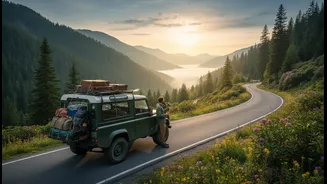
Gone are the days when a weekend trip meant roughing it out in budget accommodation just to get a change of scenery. Today, a growing number of urban professionals are redefining the weekend escape. The new mantra is not just to get away, but to get away well.
This involves a conscious decision to spend more on experiences that offer privacy, luxury, and a genuine mental reset. Instead of crowded tourist spots, the focus is on high-quality accommodation that becomes a destination in itself. According to recent travel trends, there's a significant rise in domestic leisure travel, with a marked preference for premium stays that offer top-notch amenities and services. This isn't just a fleeting trend; it reflects a fundamental shift in how people view their leisure time, valuing quality and comfort over just the logistics of travel.
What Comfort Looks and Costs Like
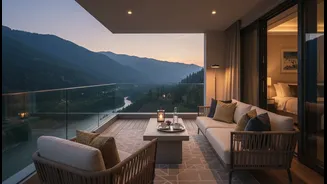
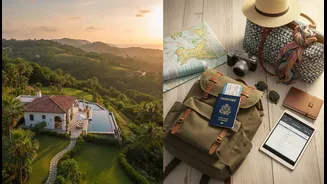
So, what does this new 'comfort' entail? It's about more than just a clean room and a hot shower. Travellers are splurging on private pool villas, architecturally unique homestays, and all-inclusive glamping tents that rival five-star hotels. These properties offer seclusion and personalised services that mainstream hotels often cannot match. Think private butlers, curated farm-to-table dining experiences, and chauffeur-driven transfers. Companies specializing in rental villas have seen a massive surge in demand, scaling up their portfolios to include thousands of properties in destinations from the hills of Kasauli to the backwaters of Kerala. This desire for private, immersive getaways highlights a willingness to pay a premium for control over one's environment, a priority that intensified in recent years.
The Psychology Behind the Splurge
The move towards comfort-driven travel is rooted in deeper psychological needs. In a world of chronic stress and digital burnout, vacations are no longer seen as a mere indulgence but as essential maintenance for mental well-being. Experts point out that breaking from routine and changing environments allows the nervous system to relax and re-engage. The constant noise and demands of urban life keep our brains on high alert; nature and slower-paced environments provide a restorative balm. This trend is particularly strong among young professionals and millennials who are actively seeking temporary exits from the pressures of a hyper-connected world. They are making travel decisions based on emotional needs and a desire for authentic, restorative experiences, rather than just ticking off a checklist of places to see.
Hotspots for High-End Relaxation
This trend is playing out across the country in drive-to destinations located a few hours from major metro cities. For residents of Mumbai and Pune, the hills of Lonavala and the coastal town of Alibaug are prime spots for luxury villa rentals. Near Delhi, destinations in Uttarakhand and Himachal Pradesh like Kasauli and Mussoorie are popular. In the south, the plantation stays of Coorg and the cool climes of Ooty are go-to choices for those from Bangalore and Chennai. Even city hotels are tapping into this by offering luxurious staycation packages, complete with spa credits and fine dining, for those who want an escape without the travel. The rise of these accessible luxury hubs indicates that travellers are prioritising convenience and quality over long-haul journeys for their frequent short breaks.
A Lasting Shift in Travel
This isn't simply a post-pandemic rebound but a more permanent evolution in the Indian traveller's mindset. The domestic luxury market is booming, with one report noting a staggering 108% increase in five-star hotel bookings year-on-year. This growth is largely driven by domestic consumers who are more discerning and experience-led in their choices. Hospitality brands are responding by expanding their luxury portfolios and investing in unique properties. The rise of the 'experience economy' means that accommodation is no longer just a place to sleep; it's a central part of the holiday itself. This shift is fuelling a boom for boutique properties, experiential stays, and the entire ecosystem that supports high-comfort travel, signalling a mature and evolving tourism market in India.