





A Changed Post-Pandemic Palate
The global pandemic was a watershed moment for the food industry. Extended lockdowns and a heightened focus on health had a lasting impact on consumer behaviour. Many people rediscovered home cooking, but they also developed a newfound appreciation for community
and supporting local enterprises. This sentiment has translated into a conscious effort to support neighbourhood cafes and standalone restaurants. Furthermore, there's a greater emphasis on health and hygiene. Diners are increasingly drawn to establishments where they perceive a direct line of sight to the owner and the kitchen, trusting smaller businesses to offer fresh, carefully prepared food over mass-produced alternatives. This shift towards conscious consumption means that quality and trust are often valued more than just a familiar brand name.
The Quest for Authentic Flavours
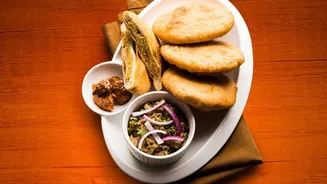
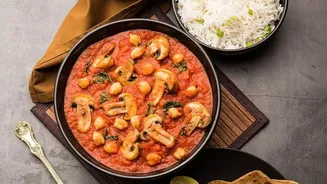
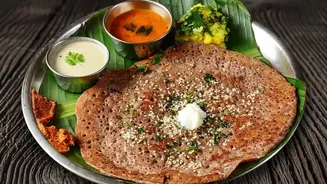
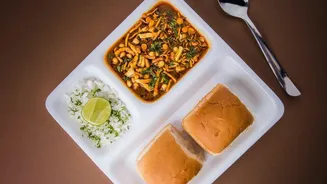
Indian diners are moving beyond the generic North Indian or pan-Asian menus that once dominated the scene. There is a growing and powerful craving for authenticity and regional specificity. Food lovers are now actively seeking out hyper-regional dishes, from the coastal curries of Kerala to the subtle flavours of Bihari cuisine. This culinary curiosity is being met by a new generation of chefs and entrepreneurs who are proud to showcase their heritage. They are reviving forgotten family recipes and championing local, seasonal ingredients, creating unique dining experiences that tell a story. In a crowded market, this focus on a specific culinary identity allows local businesses to stand out and build a loyal following of patrons eager for a genuine taste of India's diverse food landscape.
The Great Digital Equaliser
Technology, particularly social media and food delivery platforms, has levelled the playing field dramatically. A decade ago, a small restaurant had to rely on word-of-mouth and expensive print ads. Today, a single viral Instagram Reel can put a tiny eatery on the map overnight. Platforms like Instagram are now the primary discovery engine for many diners, with some reports suggesting over 70% of people search for restaurants online before visiting. Food influencers and user-generated reviews provide the social proof that once required years to build. Simultaneously, delivery aggregators have given small kitchens access to a vast customer base without the need for prime real estate or extensive seating, allowing them to compete with larger chains on visibility and convenience.
Experience-Driven Dining
Going out for a meal is no longer just about the food; it's about the entire experience. As disposable incomes rise, consumers are looking for more than just a transaction. They seek memorable experiences, unique ambiances, and a personal touch that large, standardized chains often struggle to provide. Local food businesses, with their hands-on owners and distinct personalities, are perfectly positioned to offer this. Whether it's a cafe with quirky decor, a restaurant with an interactive chef's counter, or a small eatery that remembers a regular's favourite order, these establishments foster a sense of connection and community. This focus on creating a welcoming and unique atmosphere makes customers feel valued, turning a simple meal into a cherished memory.