






The Daily Commute and the Platform Puzzle
For millions of daily commuters across India, navigating the bustling metro and railway stations is a practiced skill. You know your station, your line, and your preferred entrance—the one that lands you perfectly positioned for your coach. But then comes
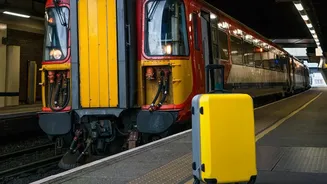
the disruption: a last-minute platform change. Suddenly, that tried-and-tested route is no longer the most efficient. An announcement crackles over the speakers, or a digital board flickers with new information, and the orderly flow of passengers turns into a hurried shuffle. What was once a short walk from Gate 3 to Platform 1 becomes a frantic dash to Platform 7, located at the opposite end of a sprawling station. This isn't just a minor inconvenience; it can mean the difference between catching your train and watching it pull away.
Why Do Platforms Suddenly Change?
Platform changes are not random acts designed to foil your commute. They are often necessary for the smooth and safe functioning of a complex railway network. Common reasons include unscheduled track maintenance, which might require a platform to be temporarily closed for cleaning or repairs. Signal or switch failures can also force dispatchers to reroute trains to different platforms to avoid bottlenecks and maintain safety protocols. Sometimes, a train arriving late can cause a domino effect, forcing other services to be reassigned to prevent widespread delays. Another factor is managing congestion and ensuring effective passenger movement, especially at major interchange stations like those in Mumbai or Delhi during peak hours. In some cases, operational needs, such as a longer train being assigned to a route, may necessitate a switch to a platform that can accommodate its length safely.
The Ripple Effect: How Changes Impact Your Choice of Entrance
Large urban stations in cities like Delhi, Mumbai, and Kolkata often have multiple entry and exit points, some of which can be hundreds of metres apart. Regular commuters often develop a 'mental map', instinctively using the entrance that minimises walking distance to their platform. A platform change shatters this map. For example, if your daily train to work usually departs from Platform 2, best accessed by Gate 1, a sudden shift to Platform 8 might mean that Gate 4, on the opposite side of the station, would have been the far better choice. Using your usual Gate 1 now means a long, time-consuming walk across footbridges and through crowded concourses, increasing stress and the risk of missing your connection. In major hubs, where some commuters stand on footbridges waiting for a platform announcement before descending, this effect is well-known.
Your Pre-Travel Checklist
In the digital age, you no longer have to arrive at the station blind. Indian Railways and various metro systems offer a suite of digital tools to help you stay informed. Apps like the National Train Enquiry System (NTES), IRCTC Rail Connect, and popular third-party apps like 'Where is My Train' provide live train status, including platform information. Many of these apps have become indispensable for travellers, offering real-time updates that can warn you of a platform change before you even leave home. For metro commuters, official apps like the DMRC app in Delhi provide route planning and station information. Making it a habit to check one of these apps shortly before your journey can save you significant time and effort.
Navigating On-the-Go: Station Signage and Asking for Help
If a change happens after you've already arrived, technology and old-fashioned observation are your best friends. The first and most reliable sources of information within a station are the electronic display boards. These are typically located in the main concourse and on each platform, showing arrivals, departures, and platform numbers. Listen for audio announcements, which are made for any last-minute changes. In large, confusing stations, don't hesitate to ask for help. Railway staff, including ticket collectors and personnel at enquiry counters, are there to assist you. Even fellow passengers, especially seasoned commuters, can often point you in the right direction. When in doubt, a quick question is always better than a panicked run across the station.