



What is Filter Coffee, Anyway?
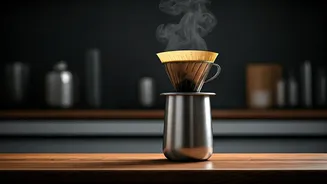
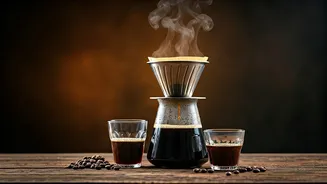
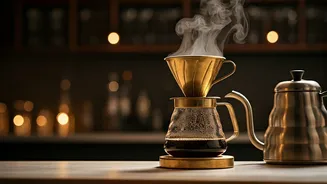
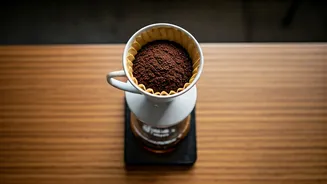
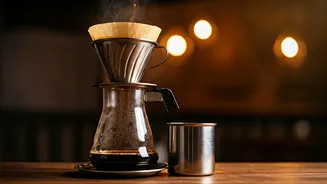
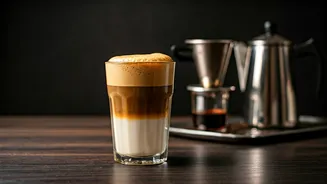
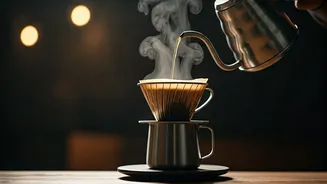
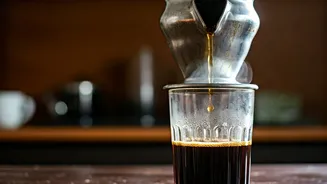
Before it became a chic café item, South Indian filter coffee, or 'kaapi', was a daily ritual in millions of homes. It’s a beverage defined by its unique brewing method. A special metal device, typically two cylindrical steel chambers, is used. The top
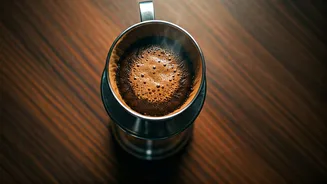
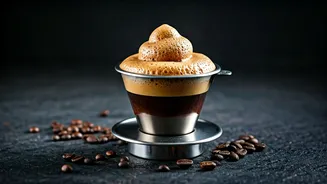
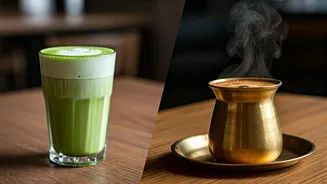
chamber holds finely ground coffee powder (often a blend of Arabica, Robusta, and chicory), and hot water is poured over it. This allows a thick, potent liquid concentrate, called a decoction, to drip slowly into the bottom chamber. This decoction is then mixed with hot, frothy milk and sugar, and traditionally served in a steel tumbler and 'davara' (a small bowl-like saucer). The practice of pouring the coffee back and forth between the two vessels cools it while creating its signature foamy head.
The Comeback: Beyond Simple Nostalgia
The return of filter coffee isn't just about wistful memories. It’s a modern reinterpretation. After years of embracing global coffee trends, Indian consumers and entrepreneurs began asking, “Why not something from our own culture?”. This curiosity, cultivated by the third-wave coffee movement that introduced a vocabulary of origins, roasts, and brewing methods, has created the perfect environment for a filter coffee revival. Major chains like Tata Starbucks and artisanal brands like Third Wave Coffee Roasters have added it to their menus, validating its appeal. This new wave isn't just copying tradition; it's elevating it. Brands are experimenting with single-origin beans, unique blends without chicory, and innovative presentations like iced filter coffee and even filter coffee-infused desserts.
The Business of Authenticity
For cafés, embracing filter coffee makes strong business sense. It taps into a growing consumer demand for authenticity and local products. New-age brands like VS Mani & Co., Bhava Coffee, and Sleepy Owl are building entire businesses around this renewed interest, offering everything from traditional coffee powders to convenient, ready-to-use decoctions and pour-over bags. This shift is driven by a generation that values storytelling, sustainability, and craft over mere convenience. By focusing on Indian-grown, small-batch roasted beans, these brands are creating a premium experience that resonates with modern sensibilities while honouring a deep-seated cultural tradition. It has moved from being a simple kitchen counter ritual to a cultural object featured in design-led packaging and on boutique café menus.
A Sign of a Confident, Evolving Culture
Ultimately, the resurgence of filter coffee signifies a maturing of India's café scene. For decades, being 'modern' often meant adopting Western trends. The initial café boom, led by pioneers like Café Coffee Day, introduced a generation to cappuccinos and lattes, which were seen as worldly and aspirational. Today, there is a palpable shift. The return to filter coffee reflects a growing cultural confidence and a desire to celebrate Indian identity. It’s about finding the 'cool' in the traditional and reclaiming a piece of heritage in spaces that have been largely dominated by international formats. The humble filter coffee, once seen as a domestic staple, is now a symbol of a culture that is comfortable looking both inward to its roots and outward to the world.