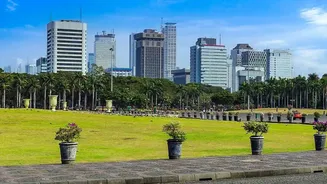



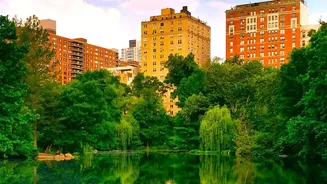
Stroll through any major city park on a weekend and you'll see it: groups of young adults scattered on the grass, not just for a morning walk, but for hours of conversation. This isn't a coincidence; it's a significant social shift.
The Search for a 'Third Space'
Sociologists talk about
'third spaces'—places outside of our home (the first space) and work (the second) where we can connect with community. For generations in India, this might have been a local tea stall or a temple courtyard. Today, young adults are actively seeking out their own versions. While cafes and bars once filled this role, they often come with a high price tag and an implicit pressure to consume. Parks are emerging as a compelling alternative, offering a neutral, low-pressure environment where the only requirement is to show up. This desire for a place to simply 'be' without performing or paying is a powerful driver behind the trend.
An Antidote to the Loneliness Economy
Despite being more digitally connected than ever, many young urbanites grapple with a sense of isolation. The 'loneliness economy' has spawned a new wave of curated, often paid, social events designed to foster connection. However, public parks offer a more organic solution. They facilitate casual, spontaneous interactions and help turn the physical proximity of city life into a genuine sense of social belonging. From book reading clubs like Cubbon Reads in Bengaluru to informal weekend picnics, parks are becoming venues for building the 'weak ties'—the acquaintances and community connections that are crucial for mental wellbeing in a bustling city.
Economic Pressures and Financial Prudence
Let's not ignore the obvious: hanging out in a park is free. For young adults navigating the high cost of living in metropolitan India, this is a significant factor. When a single cafe outing with friends can strain a weekly budget, the appeal of a no-cost social space is undeniable. Parks provide an accessible and equitable solution, allowing people from different economic backgrounds to gather and socialise without the financial barriers imposed by commercial establishments. This economic reality is pushing young people to redefine what a good social life looks like, prioritising connection over consumption.
The Post-Pandemic Pull of Open Spaces
The COVID-19 pandemic fundamentally changed our relationship with public spaces. After prolonged periods of being confined indoors, there's a newfound appreciation for open, airy environments. This has led to a sustained preference for outdoor socialising, where concerns about ventilation and overcrowding are minimised. Many people started walking or spending more time in their local green spaces during the pandemic and found the habit stuck. This shift has made parks not just a pleasant option, but a preferred one for health-conscious young adults seeking safer ways to gather.
Wellness and the Green Connection
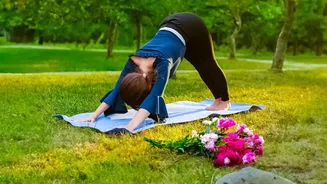
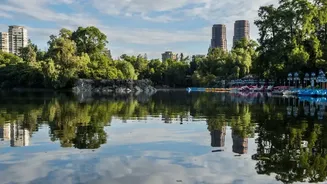
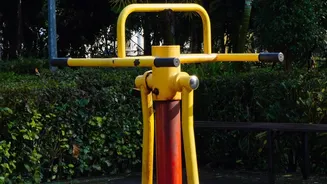
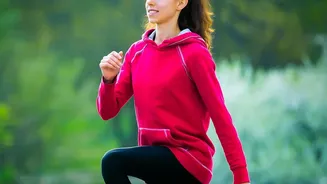
The global wellness movement has put a spotlight on the mental and physical health benefits of spending time in nature. For young people increasingly dealing with stress and climate anxiety, parks serve as vital green lungs in a concrete jungle. Access to green space is linked to reduced stress, improved mood, and increased physical activity. This growing awareness means that a park meetup is seen not just as a social activity, but as an act of selfcare. Running groups, yoga circles, and simple, unstructured relaxation are all ways that young adults are using parks to foster both community and personal wellbeing.