
It Offers Unmatched Versatility
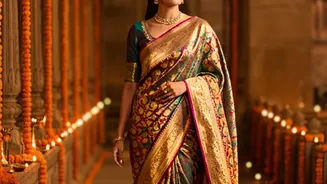
Perhaps the greatest strength of the brooch is its adaptability. It is a single piece of jewellery that works just as hard on a woman’s saree as it does on a man’s sherwani. For women, a brooch can be used functionally and decoratively to secure the pallu
of a saree or a dupatta at the shoulder, replacing a simple safety pin with a touch of elegance. For men, a brooch adds a regal touch to a bandhgala or Jodhpuri suit when placed on the collar, or to a sherwani when pinned to the chest. This versatility extends beyond traditional wear; a brooch can elevate a simple blazer, a shawl, or even a handbag, making it one of the most flexible items in any festive wardrobe.
An Instant Touch of Glamour
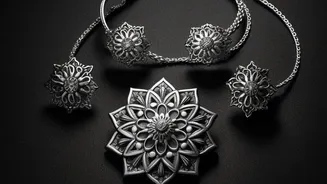
Festive occasions call for a little extra sparkle, and a brooch delivers it with minimal effort. It can instantly elevate an otherwise simple outfit into something special and considered. A well-chosen brooch acts as a focal point, drawing the eye and adding a layer of sophistication. Whether it’s a polki brooch with uncut diamonds for a royal feel, a colourful meenakari piece, or a modern design studded with crystals, the accessory adds a touch of luxury. On a plain silk kurta or a solid-coloured sherwani, a brooch can break the monotony and signal that the wearer has paid attention to the details.
A Canvas for Personality and Story
More than just a decorative item, a brooch is a form of self-expression. In a world of fast-moving trends, it offers a rare touch of individuality. The choice of a brooch—be it a vintage floral design, a bold animal motif like a tiger or panther, or a minimalist geometric pin—says something about the wearer's style and personality. This makes it a deeply personal accessory. Furthermore, many brooches are heirlooms, passed down through generations. Wearing such a piece connects you to your family history and adds a layer of storytelling and sentimental value to your festive attire, making your look truly one-of-a-kind.
It Carries Historical and Cultural Weight
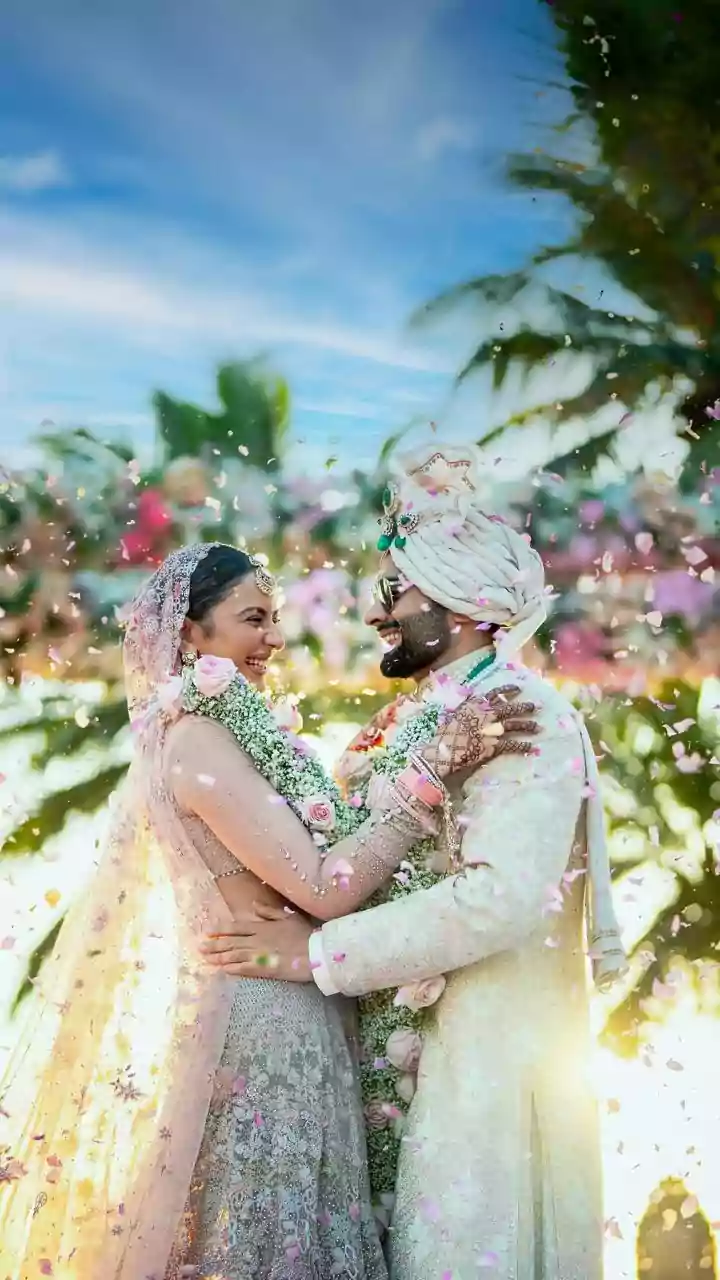
The brooch has a rich history in India, long associated with royalty and nobility. Jewelled pins and clips, known as the sarpech or kalgi, traditionally adorned the turbans of maharajas and grooms, symbolizing honour and high status. This historical context lends a certain gravitas and old-world charm to the accessory. When you pin a brooch to your festive wear, you are subtly tapping into a long tradition of ceremonial dressing. This connection to heritage gives the accessory a significance that goes beyond mere fashion, adding a layer of cultural depth to your celebration.
A Modern, Gender-Fluid Statement
The resurgence of the brooch is not limited to women's fashion; it has been enthusiastically embraced by men, making it a truly gender-fluid accessory. Once a staple of aristocratic menswear in India, it has evolved into a modern statement of confidence and style for all. Fashion-forward men are using brooches to accessorize kurtas, Nehru jackets, and suits, proving that style is about personal expression, not outdated rules. This universal appeal is a key reason for its renewed popularity. It challenges the idea that certain jewellery is for a specific gender and celebrates the art of adornment for everyone.