




The Monsoon Effect: Why Humidity Is the Real Issue
During the monsoon, humidity levels can soar to 90% or more. This thick, moisture-laden air significantly hinders your body's primary cooling mechanism: the evaporation of sweat. Normally, sweat dries on your skin, taking heat with it. But when the air is already
saturated, your sweat has nowhere to go. Your body's response is to produce even more sweat in an attempt to cool down, leading to prolonged and significant fluid loss without the same cooling benefit. This process, which occurs even in an air-conditioned gym, makes you lose vital minerals, particularly sodium, at a much higher rate.
Understanding Electrolytes and Sodium's Role
Electrolytes are essential minerals, including sodium, potassium, and magnesium, that carry an electric charge and are vital for your body to function correctly. They regulate nerve signals, muscle contractions, and, crucially for exercise, fluid balance. Sodium is the main electrolyte lost in sweat and plays the most significant role in maintaining hydration levels within your cells and blood. When you sweat heavily, you lose a substantial amount of sodium. Drinking only plain water can dilute the remaining sodium in your bloodstream, a potentially dangerous condition known as hyponatremia.
Warning Signs of an Imbalance
Your body provides clear signals when your electrolyte levels are dropping. Paying attention to these early warnings can prevent more serious issues. The most common signs for active individuals include persistent fatigue that isn't proportional to your workout, muscle cramps or weakness, headaches, and dizziness or nausea. You might also notice white, salty stains on your gym clothes after they dry, which is a clear indicator that you are a 'salty sweater' and need to be particularly mindful of sodium replacement.
Smart Sodium Replenishment Strategies
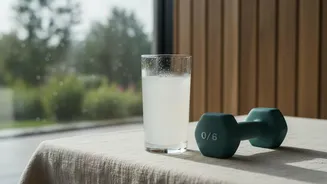
This isn't a free pass to load up on unhealthy processed foods. Smart sodium replenishment is about strategic, timed intake of the right things. For workouts longer than 60-90 minutes in humid conditions, sipping on an electrolyte drink can be beneficial. You don't always need a commercial product; a simple homemade solution of water with a pinch of salt and a little sugar or lemon juice works well. Traditional Indian options like buttermilk (chaas) or nimbu pani with a pinch of black salt are also excellent choices for rehydration and replenishment. Coconut water is fantastic for potassium but is very low in sodium, so consider adding a pinch of salt to it for a more balanced post-workout drink.
Getting the Balance Right
The goal is balance, not excess. For most people, a regular diet provides enough sodium. However, for those who exercise intensely in the heat and humidity, needs are higher. A general guideline for endurance activities is to aim for 300-700 mg of sodium per hour of exercise. This can come from sports drinks or natural food sources. Listen to your body's cues, especially salt cravings after a tough workout, as they can be a reliable indicator of what you need. If you have pre-existing health conditions like high blood pressure or kidney issues, it is essential to consult with a doctor before making any significant changes to your sodium intake.