






The Aftermath of Celebration
Every festive season in India, from Diwali to Dussehra, brings families and communities together in a vibrant display of culture, food, and gift-giving. However, once the celebrations wind down, a significant environmental toll becomes apparent. Our homes
are often cluttered with single-use plastic packaging, non-biodegradable decorations, and wrappers. This issue is a microcosm of a larger challenge; India generates millions of tonnes of plastic waste annually, a significant portion of which is mismanaged and pollutes the environment. Festivals, with their emphasis on newness and consumption, can amplify this problem, contributing to overflowing landfills and polluted waterways with items that persist for centuries.
The Short Life of Conventional Gifts
Think about the typical gifts exchanged during festive seasons. Many are mass-produced items encased in layers of plastic, from bubble wrap to glossy boxes. These gifts, while well-intentioned, often have a short lifespan and a long environmental footprint. The packaging itself is a major contributor to waste. Furthermore, many novelty items are made from plastics and other synthetic materials that are difficult to recycle and are not biodegradable. This ‘throwaway culture’ means that the joy of the gift is temporary, but its environmental cost is long-lasting, with much of this waste ending up in landfills or being openly burned, releasing harmful toxins.
The Living Gift: A Potted Plant
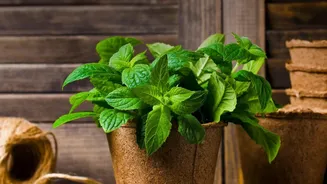
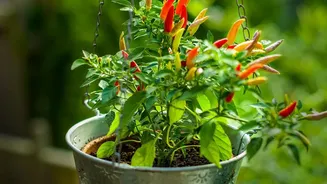
This is where a simple potted plant changes the narrative entirely. Gifting a plant is a conscious choice that directly counters the problem of plastic waste. Unlike a gadget in a plastic shell, a plant is a living gift that grows and gives back. It doesn’t come with excessive, non-recyclable packaging. Instead of ending up in a landfill, it becomes a part of the recipient's home, purifying the air and enhancing their living space. A plant is a symbol of life and growth, making it a deeply meaningful present that aligns with the festive themes of renewal and prosperity. It is a long-lasting reminder of the giver's thoughtfulness, offering years of joy instead of a fleeting moment of consumption.
Beyond Plants: A World of Conscious Gifting
The principle of conscious gifting extends far beyond just potted plants. It’s about choosing presents that are thoughtful, useful, and kind to the planet. Consider gifting experiences like a workshop or a class, which create memories without physical waste. Handmade products from local artisans support small businesses and traditional crafts, often using natural materials like jute, clay, or handwoven cotton. Edible gifts, such as homemade sweets or savoury snacks presented in reusable glass jars or steel containers, are another wonderful option. Other ideas include organic skincare products, plantable stationery embedded with seeds, or fair-trade items that ensure ethical production. These choices move away from disposable culture and towards something more meaningful and sustainable.
Embracing a New Tradition
Making the switch to conscious gifting isn't about sacrificing generosity; it's about redefining it. It's a shift from mindless consumption to mindful celebration. This approach encourages us to think about the entire lifecycle of a gift—from where it comes from to where it will eventually go. By choosing sustainable presents, we not only reduce the mountain of plastic waste that follows our festivals but also set a positive example for our communities. It transforms the act of giving into a powerful statement of care for our environment and for each other. This festive season can be the start of a new tradition, one that is both joyous and gentle on the earth.