







Just How Weak Is It?
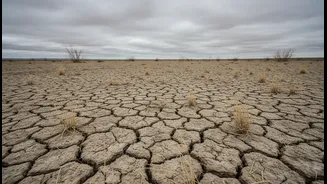
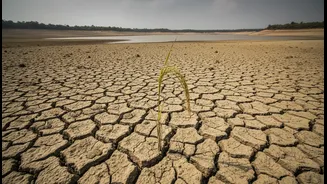
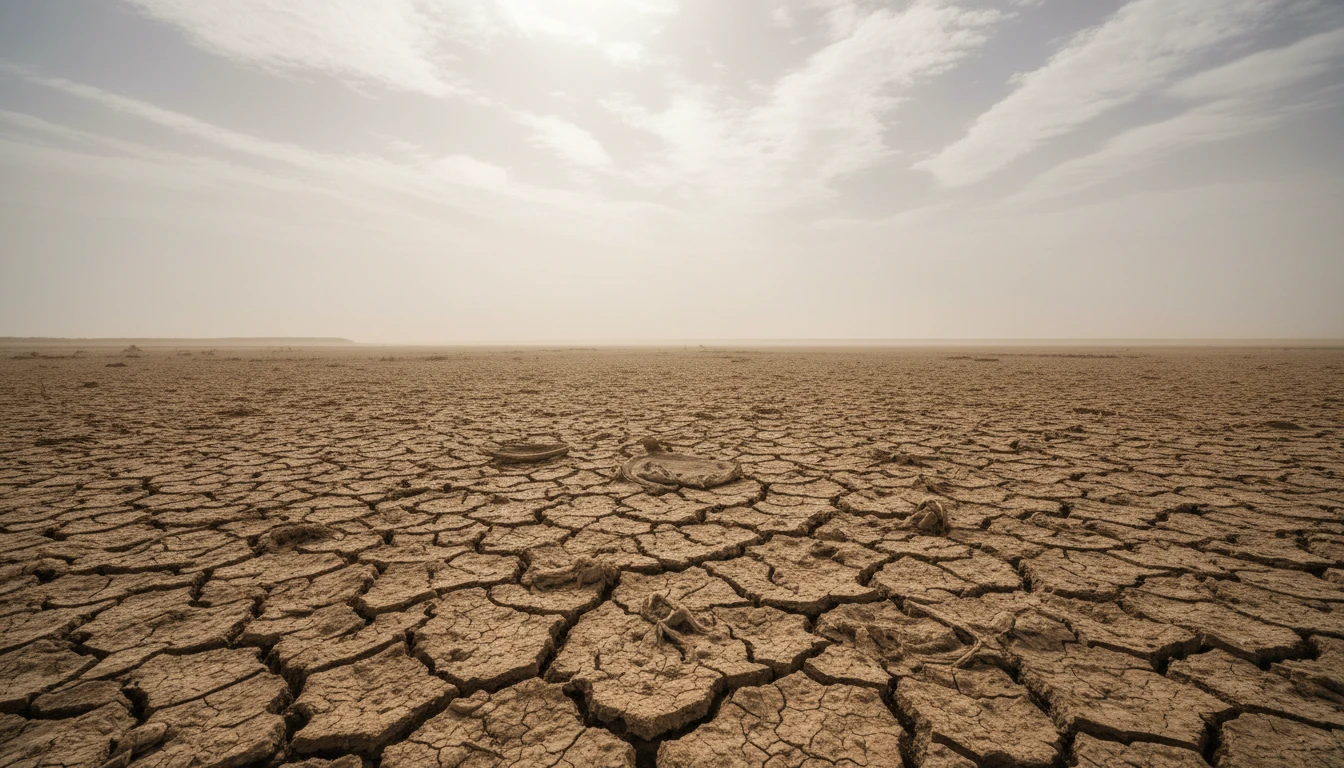
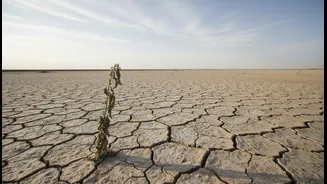
By the first week of July 2026, Goa was indeed facing a rainfall deficit. According to the India Meteorological Department (IMD), the seasonal rainfall was trailing the normal average by about 25-27%. This sounds alarming, and it follows a very dry June
where the deficit had at one point touched 70% before late-month showers brought some relief. July is typically the wettest month, so any shortfall gets noticed. However, after a brief period of heavy rain in early July, the monsoon weakened again, leading to the current deficit and a rise in temperature and humidity, which makes the lack of rain feel more pronounced.
A Blip or a Concerning Trend?
This is the core question. Meteorologists often point to the natural variability of the monsoon, which functions in active and weak phases. A few quiet days, or even a week, is not unusual. Looking back, Goa has experienced deficient Junes before. The key is whether the monsoon revives. Forecasts from the IMD have been mixed, with some predicting moderate rainfall and others suggesting the dry spell might continue for a few more days before a potential revival. Officials are urging caution against panic, emphasizing that these intra-seasonal breaks are a known feature of the monsoon cycle. The real concern would be if this weak phase extends through the rest of July, which is the crucial period for agricultural and hydrological recovery.
The Real-World Impact
The effects on the ground are varied. Farmers are understandably worried, with some delaying the sowing of paddy crops while they wait for sustained rainfall. Agricultural officials have noted that a good spell of rain is needed soon to prevent wider issues. However, a full-blown crisis has not yet been declared. Water levels in major reservoirs like the Selaulim dam, while lower than last year, are reportedly within a safe margin for now, ensuring an adequate drinking water supply. For the tourism sector, the impact is counterintuitive. The reduced rainfall has meant more sunny days, which some tourists visiting during the off-season prefer. Hoteliers have not yet reported a major dip in occupancy, as monsoon tourism often focuses on the lush hinterlands rather than beaches, which are largely closed anyway.
What the Experts Are Watching
Meteorologists are not just looking at the quantity of rain but also its distribution. Widespread, moderate rain is more beneficial than a short, destructive deluge. They are monitoring offshore weather systems and wind patterns for signs of the monsoon strengthening over the Konkan coast. Economists and policymakers are also keeping a close watch. A prolonged weak monsoon could impact farm incomes and rural demand, and potentially stoke food inflation later in the year. For now, authorities are in a 'watch and wait' mode. The Water Resources Department has assured that there is no immediate water shortage, but it also highlights the importance of sustainable water use by cracking down on illegal borewells.
The Bottom Line: Context Over Hype
While the rainfall deficit is a fact, the narrative of an impending disaster is premature. The monsoon is a complex, dynamic system, and weak spells are part of its character. The late surge in June brought the deficit down significantly, showing how quickly things can change. For now, the situation in Goa is one of concern, not crisis. It serves as a reminder of the state's dependence on the seasonal rains and the need for robust water management. The next two weeks will be critical. If the forecasted revival materializes, the current weak spell will be little more than a mid-season hiccup. If not, the conversations around water conservation and agricultural support will become much more urgent.