





The Soaring Cost of Ingredients
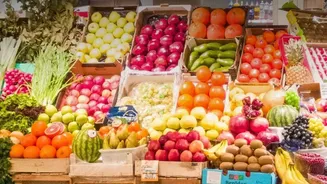
The foundation of any great meal is its ingredients, and the cost of these essentials is skyrocketing. Food inflation has been a persistent issue, with staples like onions, ginger, cooking oils, and dairy products seeing significant price hikes. For instance,
recent data showed onion prices rising by nearly 50% and ginger by over 70% from the previous year. This isn't just about vegetables; the cost of poultry and eggs has also seen sharp increases, putting immense pressure on restaurants, especially those known for their non-vegetarian offerings. Factors like weak monsoons, global conflicts affecting fuel prices, and shifting agricultural demands all contribute to this volatility. When the price of a core ingredient surges, a restaurant owner must either absorb the cost, shrinking their already thin profit margins, or pass it on to the customer.
The Squeeze from Utilities and Rent
Beyond the kitchen, the operational costs of simply keeping the lights on are climbing. Commercial LPG cylinder prices, a lifeline for most Indian restaurants, have seen dramatic increases. A single hike can add thousands to a restaurant's monthly expenses, forcing many to consider price revisions of 10-15% just to stay afloat. Some have even been forced to temporarily reduce their menus, cancelling gas-heavy items like rotis and dosas to manage costs. This energy crisis is compounded by rising commercial rents in prime urban and suburban locations. Rent, along with electricity and water bills, forms a significant chunk of a restaurant's fixed overhead. Unlike variable food costs, these expenses must be paid regardless of how many customers walk through the door, adding relentless pressure on the business's finances.
The People Factor
A restaurant is nothing without its people, from the chef in the kitchen to the server at the table. Finding and retaining skilled staff has become one of the industry's biggest challenges. As the cost of living rises, there's a growing need to offer competitive wages and better working conditions to attract and keep talent. This is a positive and necessary step for the industry's workforce, but it adds another layer to a restaurant's operating expenses. The industry is increasingly focused on career development and training to build a stable workforce, which requires investment. These labour costs are a crucial part of the final price of a meal, reflecting the skill and hard work that goes into the dining experience.
The Delivery App Dilemma
Online food delivery platforms have become essential for reaching customers, but this convenience comes at a steep price for restaurants. Aggregators like Zomato and Swiggy charge commissions that can range from 15% to as high as 30% on every single order. For a small, independent eatery, giving up such a large slice of revenue on over a third of their sales is often unsustainable. To compensate for these high fees, many restaurants are forced to increase their online menu prices, creating a gap between dine-in and delivery costs. While these platforms provide visibility, their commission-based model puts immense pressure on profitability, forcing owners into a difficult choice between reach and revenue. Recent discussions around additional charges, like the Merchant Discount Rate (MDR) on UPI payments over a certain threshold, add another potential cost for restaurateurs to manage.