





What You Will Need
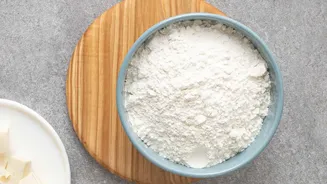
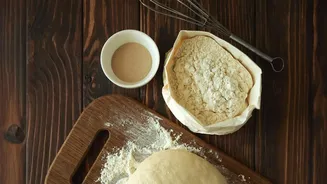
The beauty of sourdough is its simplicity. You only need two basic ingredients and a few common kitchen items. For ingredients, you will need whole wheat flour (atta) and filtered or RO water. It's important to use water without chlorine, as chlorine can
inhibit the growth of the wild yeast you want to cultivate. For equipment, you'll need a clean glass jar (a 500gm coffee or honey jar is perfect), a kitchen scale for accuracy, and a spoon or spatula for mixing. That’s it. No special proofing baskets or imported tools are required to get started.
Choosing Your Indian Wheat
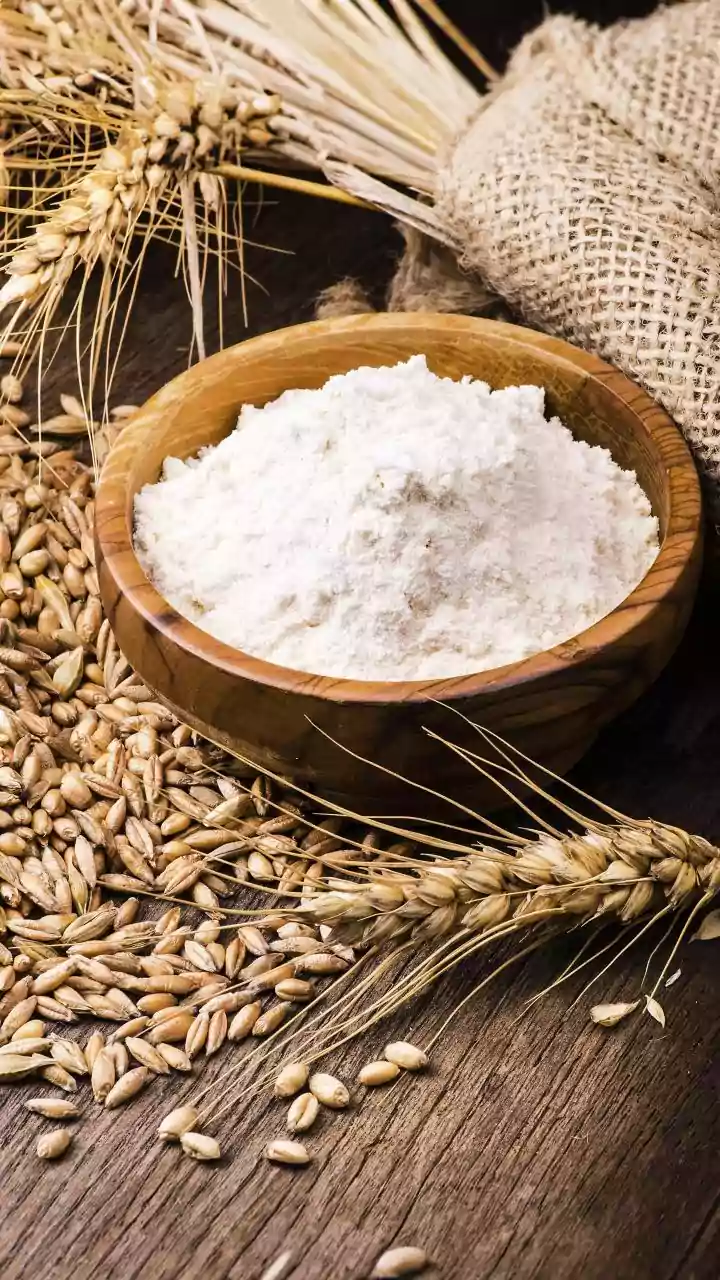
You don't need fancy bread flour to begin your sourdough journey. Standard Indian whole wheat flour, or atta, is an excellent choice. In fact, the bran in whole wheat flour naturally contains the wild yeasts and microbes that will bring your starter to life. Most common supermarket brands of atta will work perfectly well. Some bakers find that stone-ground atta from a local chakki gives a more robust flavour. You can also use a mix of atta and maida (all-purpose flour), but starting with 100% whole wheat atta is often recommended to get the fermentation process going strong. Atta absorbs more water than maida, so your starter might feel a bit thicker, which is completely normal.
Day-by-Day Guide to Your Starter
Patience is the key ingredient here. Your starter will take about 7 to 10 days to become active and ready for baking, and this process can be faster in a warm Indian climate. Day 1: In your clean jar, mix 50 grams of whole wheat atta with 50 grams of lukewarm filtered water. Stir until no dry flour remains. The consistency should be like a thick batter. Cover the jar loosely (a lid placed on top without sealing it, or a cloth) and leave it in a warm spot, away from direct sunlight, for 24 hours. Days 2-6: For the next five days, you'll 'feed' your starter. Each day, you will discard about half of the starter. This might seem wasteful, but it's crucial for keeping the yeast culture healthy and manageable. After discarding, add 50 grams of fresh atta and 50 grams of water to the remaining starter. Mix well, cover loosely, and leave it in its warm spot. During these days, you’ll start to see changes. Bubbles will appear, and the mixture will begin to rise and fall. It might also develop a range of smells, from fruity and yeasty to slightly vinegary or like yoghurt—these are all good signs. Day 7 and Beyond: By the seventh day, your starter should be visibly active and bubbly. It should reliably double in volume within 4-8 hours after feeding and have a pleasant, tangy aroma. Once it establishes this predictable rise and fall, it's mature and ready to be used for baking! If it seems a little slow, continue the daily feeding cycle for a few more days.
Understanding Your Starter's Health
A healthy starter is an active one. The most reliable sign is a predictable pattern of rising and falling after each feeding. You should see bubbles throughout the mixture, not just on the surface. The smell is another key indicator. A healthy starter can smell yeasty, sweet, fruity, or pleasantly sour. If you see a dark liquid on top, don't panic. This is called 'hooch' and it simply means your starter is hungry. You can either pour it off or stir it back in before your next feeding. However, if your starter ever develops pink or orange streaks, or visible fuzzy mould (green, black, or white), it is contaminated and must be discarded. A truly foul smell, like rotten food or nail polish remover, is also a sign that something is wrong.
Tips for the Indian Climate
India's warm and humid weather can be a huge advantage for sourdough, as fermentation happens much faster. However, it also means you need to be observant. In very hot weather, your starter might become hungry more quickly. If you notice it rising and falling much faster than 12 hours or developing hooch frequently, you may need to feed it twice a day to keep it happy. If your kitchen is particularly warm, you can use cooler water for feedings or find a slightly cooler spot in your home. Once your starter is mature and you're not baking daily, you can store it in the refrigerator. Just remember to take it out and feed it at least once a week to maintain its strength.