


Beyond Paneer Chilli and Veg Manchurian
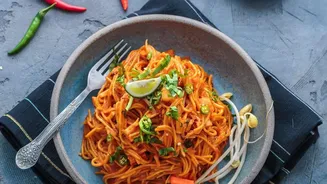
For years, 'Asian food' for many Indians meant a comforting plate of Hakka noodles or spicy Manchurian gravy. But the palate of young, urban India has expanded dramatically. A generation exposed to global cultures through streaming platforms, social media,
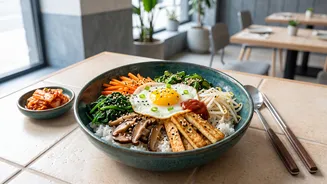
and travel is now looking for authenticity and variety. This has sparked a surge in demand for cuisines from Japan, Korea, Vietnam, and Thailand. Restaurants are moving beyond the old Indo-Chinese staples to offer ramen, sushi, bibimbap, and Thai curries. This growing culinary curiosity is not just about trying new things; it reflects a broader cultural shift where global trends are seamlessly integrated into local lifestyles.
The Drivers of a New Food Movement
This trend is fueled by several factors. The explosion of Korean culture—from K-pop to K-dramas—has made dishes like ramen and kimchi incredibly popular, especially among Gen Z. Alongside this cultural influence is a growing consciousness around health and wellness. Many young Indians are actively seeking out plant-based meals, driven by a desire for healthier lifestyles and environmental awareness. This isn't just about tradition; it's a modern, choice-driven movement. As a result, the demand isn't just for Asian food, but specifically for vegetarian and vegan versions that align with these values. This convergence of global cool and personal well-being is creating a powerful new market.
The Chef's Creative Challenge
Adapting traditionally meat-and-seafood-heavy cuisines for a vegetarian audience requires genuine innovation. Chefs across India's metropolitan centres are rising to the occasion, pushing culinary boundaries to deliver authentic flavours without the meat. We're now seeing menus featuring mushroom and tofu ramen that captures the umami depth of a classic tonkotsu, crispy jackfruit mimicking pulled pork in a bao, and plant-based katsu curries that are just as satisfying as their chicken counterparts. Sushi, once limited for vegetarians, is now a playground of creativity with fillings like avocado, asparagus, cream cheese, and tempura-fried vegetables. These chefs are not just substituting ingredients; they are re-engineering recipes with plant-based elements like tofu, tempeh, and a wide array of vegetables to honour the original dish's spirit.
From Niche Interest to Mainstream Menu
What started as a niche trend in upscale restaurants has firmly entered the mainstream. Food delivery platforms report significant year-on-year growth in orders for Korean and other Asian dishes, with demand surging even in non-metro cities. This has prompted a wide range of establishments, from fine-dining restaurants to casual cafes and cloud kitchens, to expand their vegetarian Asian offerings. Major chains and local eateries alike now prominently feature these dishes, signalling a long-term shift rather than a fleeting fad. The availability of ingredients like gochujang, miso paste, and authentic ramen kits in supermarkets further empowers home cooks to experiment, embedding these flavours into daily life. This culinary evolution shows that Indian diners are becoming more adventurous, building a food culture where a comforting dal and a spicy Korean stew can happily coexist.