


The Cardiovascular Challenge
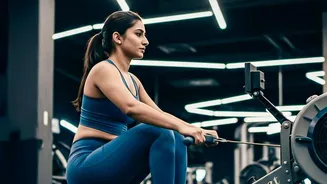
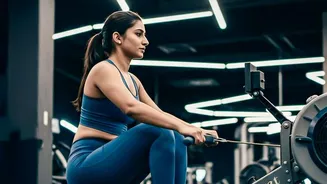
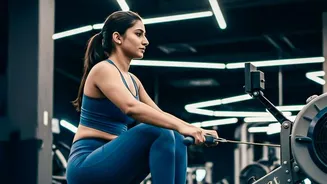
At its core, a good cardio workout elevates your heart rate for a sustained period. Rowing is a clear winner for cardiovascular intensity. The full-body nature of the exercise, combining a powerful leg drive with an upper-body pull, engages over 80% of your muscles
and demands significant oxygen, strengthening your heart and lungs. Studies show rowing can be a highly effective way to improve cardiovascular health, with some research suggesting a vigorous session can burn upwards of 600 calories an hour. Ballet, particularly in a traditional class format with pauses for instruction, is typically less intense. However, when structured as a continuous 'ballet fitness' or 'barre' class, it becomes a formidable low-impact cardio option that improves circulation and muscular endurance. While the calorie burn may be lower than rowing—around 200-400 calories per hour depending on intensity—it provides a steady challenge without the high-impact stress of activities like running.
A Tale of Two Workouts: Muscles and Movement
Rowing is renowned for its comprehensive muscle engagement. The stroke is a coordinated sequence: the drive begins with the legs and glutes (providing about 60% of the power), is stabilized by the core, and completed by the back, shoulders, and arms. This makes it one of the most efficient full-body workouts, building functional strength across the entire posterior chain, quadriceps, and upper back. Ballet, and its fitness adaptations, focuses on a different kind of strength. It builds long, lean muscles through controlled, bodyweight movements. It heavily targets the core, glutes, and legs—particularly the inner and outer thighs—while also enhancing posture, balance, and flexibility. While rowing builds power for a propulsive movement, ballet builds the stabilizing strength required for poise and control.
Accessibility, Cost, and Convenience
Here, the choice becomes more personal. Rowing can be done at a gym or at home with a rowing machine (an ergometer). A quality machine represents a significant upfront investment, but offers the convenience of a highly effective workout available anytime. Many home models are designed to be space-efficient, folding away for storage. Ballet or barre classes require joining a studio, which involves recurring membership fees and adherence to a class schedule. This provides community and expert instruction but less flexibility. While you can follow online ballet fitness classes at home with minimal equipment (often just a chair for a makeshift barre), beginners benefit greatly from in-person correction to prevent injury and build good habits.
Injury Risk and Long-Term Sustainability
Both activities are considered low-impact, making them kinder to joints than sports like running. Rowing's primary risk comes from improper form, which can strain the lower back. Learning the correct technique—driving with the legs, not pulling with the back—is crucial. Once mastered, it is an exceptionally safe and sustainable exercise for all ages. The main risks in ballet involve overuse injuries in the feet, ankles, and hips, particularly if pushing for extreme flexibility or turnout without proper conditioning. For adult fitness, where the focus is on health rather than professional performance, these risks are much lower. The key to sustainability is enjoyment. Do you prefer the rhythmic, meditative zone of a solo row, or the music, community, and artistry of a dance class? The best exercise is the one you look forward to doing week after week.