






The Two Types of Fruit
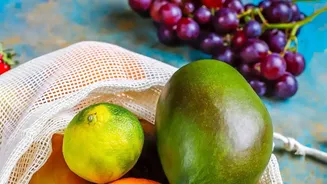
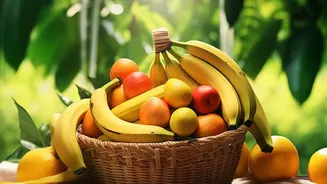
To understand ripeness, you first need to know that fruits generally fall into two categories: climacteric and non-climacteric. Climacteric fruits are the ones that continue to ripen after they've been harvested. Think of bananas, avocados, tomatoes,
pears, and mangoes. These fruits produce a natural plant hormone called ethylene gas, which triggers the ripening process, converting starches to sugars and softening the flesh. Non-climacteric fruits, on the other hand, do not ripen further once they're picked. This group includes citrus fruits, grapes, strawberries, and watermelon. They need to be harvested at their peak because what you see in the store is as good as it gets in terms of sweetness and flavour.
The Journey to the Store
For many climacteric fruits, the road to your kitchen starts with an early harvest. Producers intentionally pick fruits like bananas and avocados when they are mature but still green and firm. This makes them much easier to transport without bruising or spoilage. During shipping and initial storage, conditions are carefully controlled to keep ripening at bay. This often involves refrigeration and controlled atmospheres with low oxygen to suppress the fruit's natural ethylene production. It’s like putting the fruit into a state of hibernation to pause the aging process. This is why you can buy apples or kiwis months after they were harvested.
The Commercial Ripening Room
Once the produce arrives at a distribution centre near its final destination, the ripening process is deliberately kickstarted. Pallets of green bananas, hard avocados, or pale tomatoes are wheeled into special ripening rooms. These rooms are treated with controlled levels of humidity, warm temperatures, and, most importantly, external ethylene gas. This exposure to ethylene triggers the fruit's own internal production of the hormone, leading to uniform ripening across the entire batch. Within a matter of hours or days, the fruit begins to soften, change colour, and develop the flavours consumers expect, just in time for its debut on the grocery store shelf.
Your Role at the Supermarket
Now, the responsibility shifts to you. When selecting produce, your senses are your best tools. For climacteric fruits like peaches or avocados, you can buy them when they're still a bit firm, knowing they'll soften on your counter. An avocado should yield to gentle pressure near the stem. For non-climacteric fruits like berries or citrus, you must choose wisely at the point of purchase. Look for vibrant, uniform colour and a fresh, sweet smell. Check berry containers for any signs of moisture or crushed fruit at the bottom. Don't be fooled by size, especially with berries; colour is a much better indicator of flavour.
Mastering Ripeness at Home
Once home, you have the power to control the final stage of ripening. To speed things up for a hard pear or avocado, place it in a paper bag. The bag traps the ethylene gas the fruit releases, accelerating the process. To give it an extra boost, add a ripe banana or apple to the bag; these are ethylene super-producers. Conversely, to slow down ripening, separate your fruits. Keep ethylene-producing bananas away from other produce you want to preserve. Once a climacteric fruit is perfectly ripe, you can move it to the refrigerator. The cold temperature will significantly slow down ethylene production and preserve its quality for a few more days.