
What is This 'Magic' Paint?
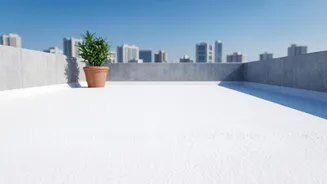
The product in question isn't just any white paint, but a specialised 'cool roof' coating. These are high-performance acrylic paints loaded with reflective pigments and often, ceramic microspheres. Unlike standard decorative paints, which primarily offer
colour, cool roof coatings are engineered with two key properties: high solar reflectance and high thermal emittance. Solar reflectance is the ability to bounce sunlight back into the atmosphere, while thermal emittance allows the surface to efficiently release any heat it has absorbed. Think of it like wearing a white linen shirt on a sunny day instead of a black wool sweater; one reflects the sun’s energy, and the other soaks it in. Standard dark roofs can absorb up to 90% of solar energy, reaching scorching temperatures, while a quality cool roof reflects up to 90% of it.
The Five-Degree Question: A Reality Check
The headline claim of a five-degree drop is the big question. The answer is yes, it's possible—but context is everything. Many studies and user reports confirm that cool roof coatings can lower indoor temperatures by 2°C to 5°C. Some sources even cite a potential reduction of up to 7°C. However, it's crucial to distinguish between roof surface temperature and indoor ambient temperature. A cool roof can reduce the surface temperature of the roof itself by a staggering 20°C to 30°C. This dramatic drop on the surface significantly reduces the amount of heat transferred into the building. The final indoor temperature reduction depends on factors like your home's insulation, ventilation, ceiling height, and the number of sun-exposed walls. For top-floor apartments or homes with direct, unshaded roof exposure, the effect is most pronounced. So, while five degrees represents the higher end of potential outcomes, a noticeable and welcome drop in temperature is a very realistic expectation.
Benefits Beyond a Cooler Room
The advantages of applying a cool roof coating extend beyond just personal comfort. A major benefit is a reduction in energy consumption. By lowering indoor temperatures, the load on air conditioners and coolers is significantly decreased, which can lead to energy savings of 10-30%. This translates directly to lower electricity bills, with some homeowners recovering the initial cost of the paint within two to three years. Furthermore, these coatings protect the roof itself. By minimising extreme temperature fluctuations, the paint reduces the thermal stress that causes materials to expand, contract, and eventually crack. This can extend the lifespan of your roof, delaying costly replacements. On a larger scale, widespread adoption of cool roofs in a city can help mitigate the 'urban heat island' effect, where dense concentrations of buildings and pavement make entire urban areas hotter than surrounding rural areas.
A Practical Guide to Application
Applying a cool roof coating can be a DIY project if you're comfortable working on your roof, but professional application is also an option. The process is similar to any other painting job, with preparation being the most critical step. 1. Cleaning: The roof surface must be thoroughly cleaned of all dirt, dust, algae, and loose debris. A pressure washer is often recommended. 2. Repairs: Inspect for and repair any existing cracks or leaks before you begin. The coating is for reflection, not a primary waterproofing membrane on a damaged roof. 3. Priming: Depending on the surface (like metal or very porous concrete), a primer may be needed to ensure proper adhesion. 4. Application: The coating is typically applied in two coats using a roller or sprayer. The second coat should be applied perpendicular to the first (e.g., first coat vertical, second coat horizontal) to ensure even and complete coverage. It's best to work on a clear, dry day and allow for the manufacturer's recommended drying time between coats.