




Innovation That Never Sleeps
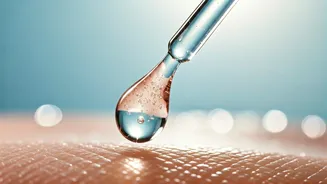
The engine of K-beauty runs on relentless research and development. While Western brands might launch new products seasonally, Korean labs are in a constant state of creation, driven by intense domestic competition. This is where trends like snail mucin,
bee venom, propolis, and fermented ingredients first gained traction. The focus is always on the 'next big thing' in formulation and ingredient technology. Consumers know that if there's a breakthrough in skincare science, it will likely appear in a Korean product first, often years before it's adopted elsewhere. This culture of constant improvement keeps the category fresh, exciting, and perpetually one step ahead.
The 'Glass Skin' Philosophy
Perhaps K-beauty's most powerful export is an idea: that skin should be so healthy it appears luminous, poreless, and translucent like glass. This is a stark contrast to Western beauty ideals that often prioritise covering imperfections with makeup. The 'glass skin' goal champions a skin-first approach, focusing on hydration, protection, and nourishment. It has shifted the global conversation from camouflage to care. This philosophy resonates deeply with a growing number of consumers in India and around the world who are embracing 'skinimalism'—using fewer, but more effective, products to achieve a naturally radiant complexion rather than relying on heavy foundations.
Affordability Meets Efficacy
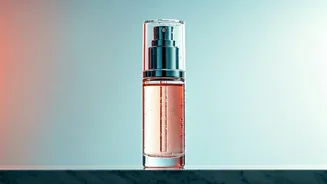
One of K-beauty's smartest moves was democratising high-quality skincare. The industry masterfully bridges the gap between mass-market products and luxury formulations. You can find highly effective serums, essences, and moisturisers packed with powerful active ingredients at prices that don't break the bank. Brands like Cosrx, Innisfree, and The Face Shop have become household names in India by offering products that deliver visible results at an accessible price point. This allows consumers to build a comprehensive, multi-step routine without the financial commitment required by many Western luxury brands, making consistent skincare a realistic goal for a much broader audience.
Routines, Not Just Products
Korean skincare introduced the world to the concept of the multi-step routine. While the initial 10-step regimen seemed daunting to many, its core principle has been incredibly influential. The idea is to layer products with specific functions—from cleansing and toning to treating and moisturising—to maximise absorption and efficacy. Over time, this has evolved from a rigid prescription into a flexible, customisable ritual. Consumers are now empowered to 'listen' to their skin and pick and choose steps and products based on their daily needs. This emphasis on mindful, personalised care has turned a daily chore into a form of self-care.
The Power of the Hallyu Wave
You cannot separate the success of K-beauty from the explosive global popularity of South Korean culture—the 'Hallyu' or Korean Wave. The flawless complexions of K-pop idols and K-drama stars serve as the ultimate endorsement. When a beloved actor is seen using a particular lip tint in a show, that product can sell out overnight. This cultural synergy creates an authentic, aspirational appeal that traditional advertising struggles to replicate. As K-pop and K-dramas continue to dominate global charts and streaming platforms, they act as a continuous, powerful marketing engine for the K-beauty industry, introducing it to new generations of fans.