

A Shared Lifeline and Threat
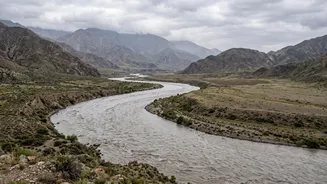
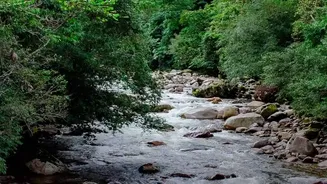
The connection is forged by geography. The Gandak, Kosi, Ghaghara (also known as Sarayu or Karnali in Nepal), and Rapti are all transboundary rivers. They originate in the high mountains of Nepal and Tibet, gathering immense power and volume as they descend,
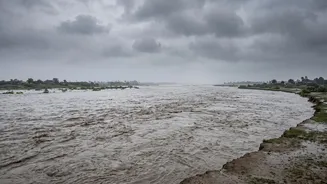
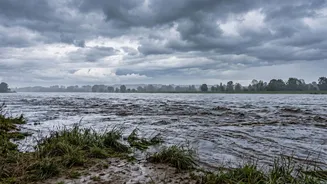
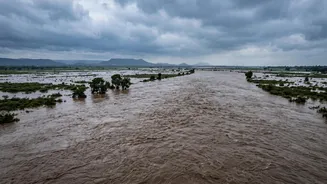
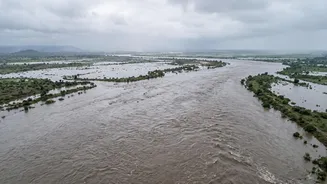
before flowing into the Gangetic plains of India. While they are a vital source of water for agriculture and life, their steep descent and the heavy monsoon rains turn them into formidable agents of flooding. Heavy rainfall in Nepal’s catchment areas inevitably leads to a surge of water rushing downstream into India, making the two countries’ flood fortunes inextricably linked. Recent devastating flash floods in Nepal have put Indian states on high alert, demonstrating this connection in real-time.
The Kosi: Bihar's Sorrow
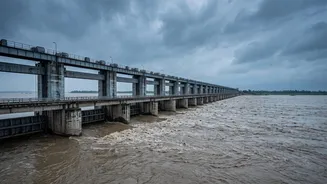
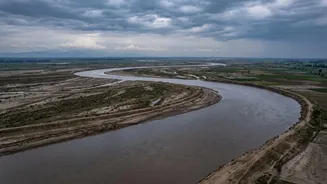
No river exemplifies this shared vulnerability more than the Kosi, notoriously called the 'Sorrow of Bihar'. The Kosi is known for its massive sediment load, which causes its channel to shift unpredictably, and for its history of catastrophic floods. To tame the river, India and Nepal signed the Kosi Agreement in 1954. This led to the construction of the Kosi Barrage near the border, along with embankments to confine the river. While the project aimed to control floods and provide irrigation and hydropower, it has been a source of diplomatic friction. India is responsible for the maintenance of the barrage and embankments, which lie in Nepali territory, leading to periodic disagreements over repairs, management, and water rights. Despite the barrage, the threat of floods remains a constant reality for millions in North Bihar.
The Gandak: A Story of Cooperation
Similar to the Kosi, the Gandak river is managed through a bilateral agreement. The Gandak Irrigation and Power Project, based on an agreement signed in 1959, involved building a barrage at Valmikinagar to provide irrigation to vast areas of Bihar and Uttar Pradesh, as well as parts of Nepal. The project also includes a hydropower station in Nepal. When devastating flash floods occurred in Nepal on August 26, 2026, the surge of water was expected to travel down the Trishuli River into the Gandak, prompting high alerts in Bihar's West Champaran, East Champaran, Gopalganj and other districts, as well as UP's Maharajganj and Kushinagar. This activated emergency protocols, with NDRF teams deployed, showcasing the direct cause-and-effect relationship.
Ghaghara and Rapti: Flooding Eastern UP
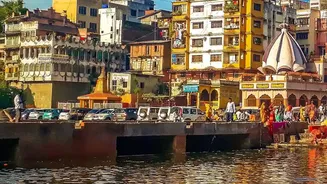
The Ghaghara and its major tributary, the Rapti, are central to the flood dynamics of eastern Uttar Pradesh. The Ghaghara, which originates in Tibet and flows through Nepal as the Karnali, carries a larger volume of water than the Ganga before their confluence. Every monsoon, it routinely floods large parts of the state. The Rapti, which flows through districts like Gorakhpur, also causes widespread inundation annually. In recent years, authorities have been using technology and deploying flood relief teams as part of preparedness measures, as seen with rescue operations in the Rapti river. The flooding of these rivers impacts tens of thousands of hectares and displaces a significant number of people each year, making cross-border information sharing about water release and rainfall absolutely critical.
A Bond of Data and Diplomacy
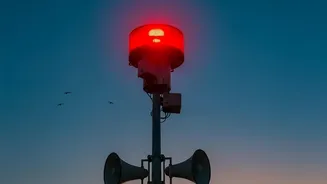
Beyond the physical flow of water, the connection between the two countries manifests in diplomacy and data exchange. Joint commissions and flood forecasting systems are in place to share real-time hydrological data on river levels and rainfall. This cooperation is crucial for early warning systems in India, allowing authorities some lead time to evacuate vulnerable populations. However, this relationship is not without challenges. Issues of dam maintenance, the construction of new hydro projects, and the timely and transparent sharing of data can sometimes become points of political contention. The increasing frequency of extreme weather events, like glacial lake outbursts, adds another layer of complexity, demanding even closer and more robust collaboration to mitigate the shared risks.