





The Grand Vision: An Artemis Base Camp
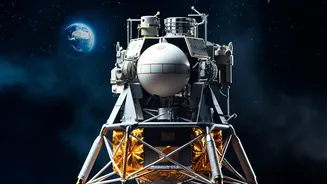
NASA's Artemis program aims to do something unprecedented: establish a sustained human presence on the Moon. This long-term lunar outpost, often called the Artemis Base Camp, is planned for the Moon's South Pole—a region believed to hold water ice and
offer unique scientific advantages. The plan involves a phased approach, starting with robotic missions to scout locations and test technologies, followed by crewed landings that will gradually build up the necessary infrastructure. This includes habitats, power systems, and rovers capable of supporting astronauts for extended stays. The ultimate goal is to create a hub for deep space science and prepare for humanity's next giant leap: missions to Mars.
India's Role in the Lunar Future
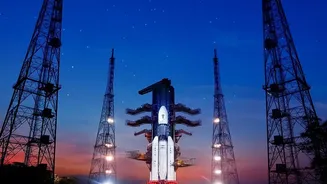
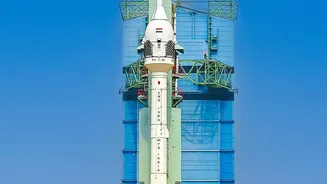
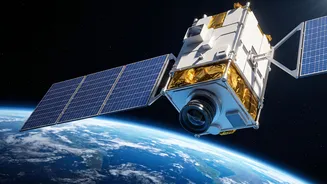
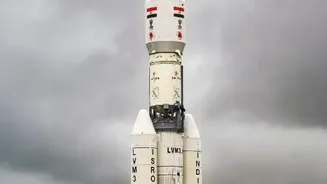
India secured its place in this future by signing the Artemis Accords in June 2023, becoming the 27th nation to join the U.S.-led framework for peaceful and transparent space exploration. This was a strategic step, moving India from a path of primarily independent space exploration to one of collaborative global engagement. The Accords are a set of principles guiding cooperation on the Moon and beyond, covering areas like the open sharing of scientific data, interoperability of systems, and mutual assistance. More recently, NASA formally invited ISRO to participate in its Moon Base program, solidifying a partnership that builds on successful joint projects like the NISAR Earth-observation satellite. This invitation opens a direct channel for India to contribute to—and benefit from—the establishment of humanity's first off-world settlement.
New Frontiers for University Research
The most profound impact of this collaboration could be felt in the halls of Indian universities. Building and sustaining a moon base requires solving immense technical challenges, creating a wealth of research opportunities. Indian institutions with strengths in materials science could work on developing lunar concrete or radiation-shielding materials. Engineering departments could contribute to the design of advanced robotics for construction and resource extraction. Life sciences and agriculture programs could tackle the complex problem of growing food in closed-loop life support systems. The extreme environment of the lunar South Pole demands innovation in everything from power generation to communication, opening up countless avenues for specialised research.
Access to Data and Global Collaboration
A key principle of the Artemis Accords is the commitment to the public release of scientific data. For Indian academics and students, this means unprecedented access to a treasure trove of information from NASA and other partner nations' lunar missions. This open data policy will allow researchers to conduct cutting-edge analysis without the prohibitive cost of launching their own missions. Furthermore, the partnership paves the way for more structured academic collaborations. This could manifest as joint research projects, faculty exchanges with American universities, and specialised training programs focused on lunar science and engineering. It creates a direct pathway for Indian talent to engage with the global space community on a level playing field.
Training India's Next-Generation Space Workforce
Beyond pure research, the collaboration will be a powerful engine for developing human capital. As Indian universities align their curriculum with the needs of the lunar program, they will produce graduates with highly sought-after skills. This creates a workforce ready not only to contribute to international missions but also to fuel India’s own ambitious space goals, including the Gaganyaan human spaceflight program and its long-term vision for a lunar presence. The partnership also acts as a major catalyst for India's burgeoning private space industry, creating high-tech jobs for this newly skilled generation. By participating in the Artemis program, India is investing in the expertise and experience that will define its future in the final frontier.