






The Need for Speed
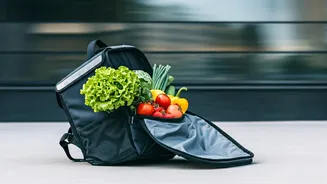
A new battleground has emerged in India's booming e-commerce sector: quick commerce, or q-commerce. [6] Spearheaded by fast-moving players like Zepto, Blinkit (backed by Zomato), and Swiggy Instamart, this model promises to deliver groceries and daily
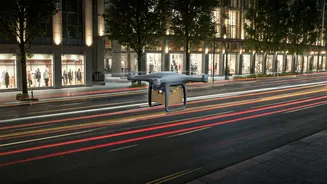
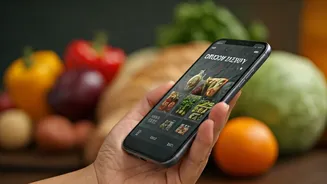
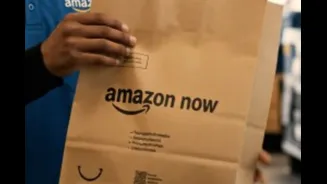
essentials to your doorstep in 15 minutes or less. [14] The market has seen explosive growth, ballooning from just half a billion dollars in 2022 to a multi-billion dollar industry today, driven by urban India's appetite for instant gratification. [2, 7] This has prompted even e-commerce giants like Amazon and Flipkart to enter the fray with their own rapid delivery services, Amazon Now and Flipkart Minutes, intensifying the competition. [9, 23] The premise is simple but powerful: transform the occasional online grocery run into a high-frequency habit for everything from a single onion to a smartphone charger.
How It Actually Works: The Dark Store Model
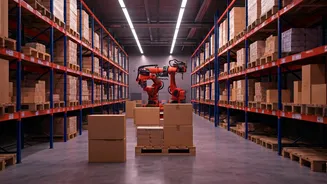
The magic behind this ultra-fast delivery isn't faster riders; it's a sophisticated, hyper-local logistics network built around 'dark stores'. [8, 13] These are small, non-public warehouses strategically located every few kilometres in dense urban neighbourhoods. [20] Unlike a traditional supermarket, a dark store is optimised purely for speed, not for customer browsing. [12] When you place an order, an AI-driven system instantly assigns it to the nearest dark store. [10] Inside, every second is accounted for: items are arranged to minimise picking time, and packers follow optimised paths to assemble your order, often in under two minutes. [8, 12] Advanced algorithms handle everything from predicting hyper-local demand to ensure your favourite snacks are in stock, to calculating the fastest delivery route in real-time. [8, 10]
The Billion-Dollar Bet on Convenience
Why the obsession with a 10-minute timeline? It's a high-stakes gamble on changing consumer behaviour. The COVID-19 pandemic dramatically accelerated the adoption of online grocery shopping. [21] Companies are betting that once consumers experience the 'magic' of near-instant delivery, it will become an indispensable part of their lives, shifting them from large, planned monthly purchases to smaller, more frequent 'micro-basket' orders. [5, 12] This model is fueled by billions in venture capital, with investors seeing massive potential in India's combination of high urban density, widespread smartphone adoption, and a growing digital economy. [2, 3] The market is projected to grow exponentially, potentially reaching 10-15 times its current size by 2025 and creating a significant number of gig economy jobs in the process. [4, 21]
The True Cost of a Ten-Minute Promise
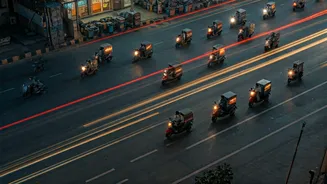
However, this high-speed convenience comes with significant challenges and controversy. The 10-minute promise has faced criticism for the immense pressure it places on delivery workers, with concerns over road safety and stressful working conditions. [11, 19] Protests by gig workers and intervention from the government have led some platforms to tone down the "10-minute" marketing, focusing instead on reliability. [15, 17] Beyond the human cost, questions loom over the long-term financial sustainability of the model. Quick commerce operates on razor-thin margins, and the path to profitability is challenging due to high operational costs for maintaining a dense dark store network and acquiring customers. [7, 10] There is also a growing debate about the environmental impact of increased packaging and the model's effect on traditional kirana stores. [19]
Beyond Groceries: The Future of Quick Commerce
Quick commerce is rapidly evolving beyond just groceries, milk, and bread. Platforms are expanding their catalogues to include everything from electronics and beauty products to fashion and over-the-counter medicines. [3, 5] This expansion is key to improving unit economics, as higher-margin items can offset the cost of delivering low-value essentials. The future of retail in India is likely to be a hybrid where quick commerce coexists with traditional stores and slower e-commerce, offering consumers a spectrum of choices based on their needs. [3] As the industry matures, the focus is shifting from pure speed to building a sustainable and profitable business that can expand into Tier-II and Tier-III cities. [2] The 10-minute upgrade is not just about faster delivery; it's about fundamentally reimagining urban retail for an on-demand world. [20, 25]