





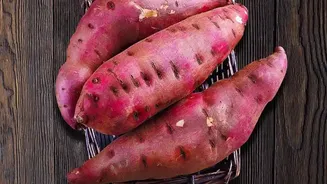

For years, the humble potato has been typecast as a carb-heavy comfort food, often sidelined in health-conscious diets. But a new, vibrant contender is rewriting the script, proving that a spud can be so much more than just a source of calories.
Meet Kufri Jamunia: The Potato with a Purple Heart
Imagine
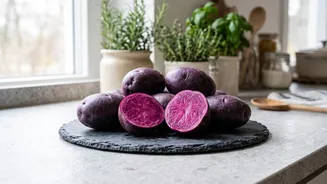
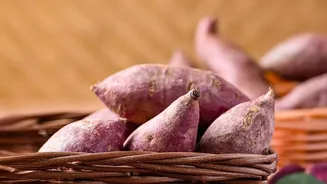
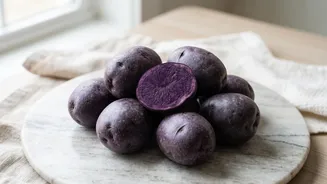
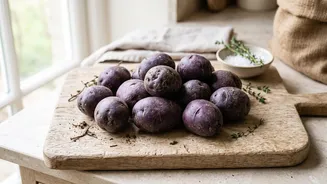
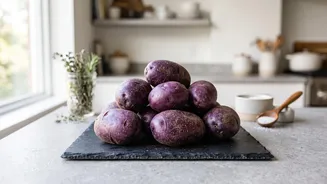
cutting into a potato and finding not a pale, starchy interior, but a deep, brilliant purple flesh. This is Kufri Jamunia, a variety developed by scientists at the ICAR-Central Potato Research Institute (CPRI) in Shimla. Released in 2024, its name is inspired by the jamun fruit, mirroring its distinctive purple-black hue that permeates both the skin and the flesh. Unlike other coloured varieties that might only have a colourful skin, Kufri Jamunia's colour is more than skin deep. This 'biofortified' crop was intentionally bred to be a nutritional powerhouse, designed to help tackle 'hidden hunger'—a condition where people get enough calories but miss out on essential vitamins and minerals.
The Science Behind the Vibrant Hue
The stunning purple colour of Kufri Jamunia comes from a high concentration of natural pigments called anthocyanins. These are the same powerful antioxidant compounds found in superfoods like blueberries, blackberries, and of course, jamuns. Antioxidants are vital for our health as they help fight against oxidative stress in the body, which is linked to inflammation and various chronic diseases. While regular potatoes contain some antioxidants, Kufri Jamunia packs a much more significant punch. Studies show it has about 42 mg of anthocyanins per 100 grams, along with a significantly higher amount of Vitamin C—around 42.75 mg compared to about 23 mg in conventional varieties.
More Than Just Antioxidants
The benefits of Kufri Jamunia don't stop with anthocyanins. This variety is also biofortified with higher levels of key minerals like zinc and iron. It contains approximately 2.28 mg of zinc and 3.22 mg of iron per 100g, a substantial increase over regular potatoes. Some research on purple potatoes suggests that the polyphenols they contain might help slow the absorption of starch in the gut. This could lead to a lower impact on blood sugar levels compared to their paler cousins, making them a potentially smarter choice for managing blood sugar. Furthermore, anthocyanin-rich foods have been associated with improved vascular health, including benefits for blood pressure.
From the Farm to Your Kitchen
Developed for cultivation across the North Indian plains, Kufri Jamunia is a medium-maturing crop that is ready for harvest in about 90–100 days. It has shown high yield potential, making it a promising prospect for farmers. For the home cook, its reported mealy texture makes it versatile for a range of dishes, from curries and soups to baked goods and even dehydrated flours. Its striking colour is retained during cooking, which can add a visual flair to any meal. Early taste tests have been positive, with most participants rating its acceptability as 'good to excellent'. Its good storability is another plus, meaning it can be kept for longer without significant loss of quality.