
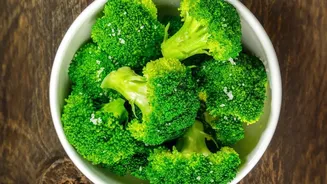

The Cruciferous Powerhouse
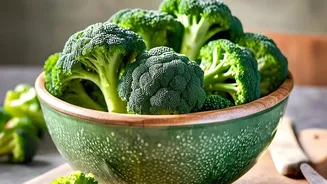
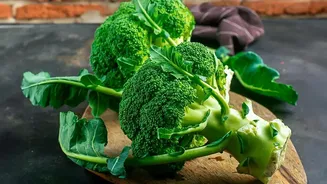
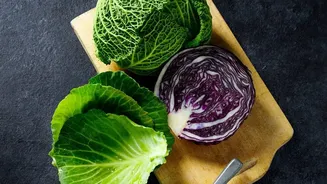
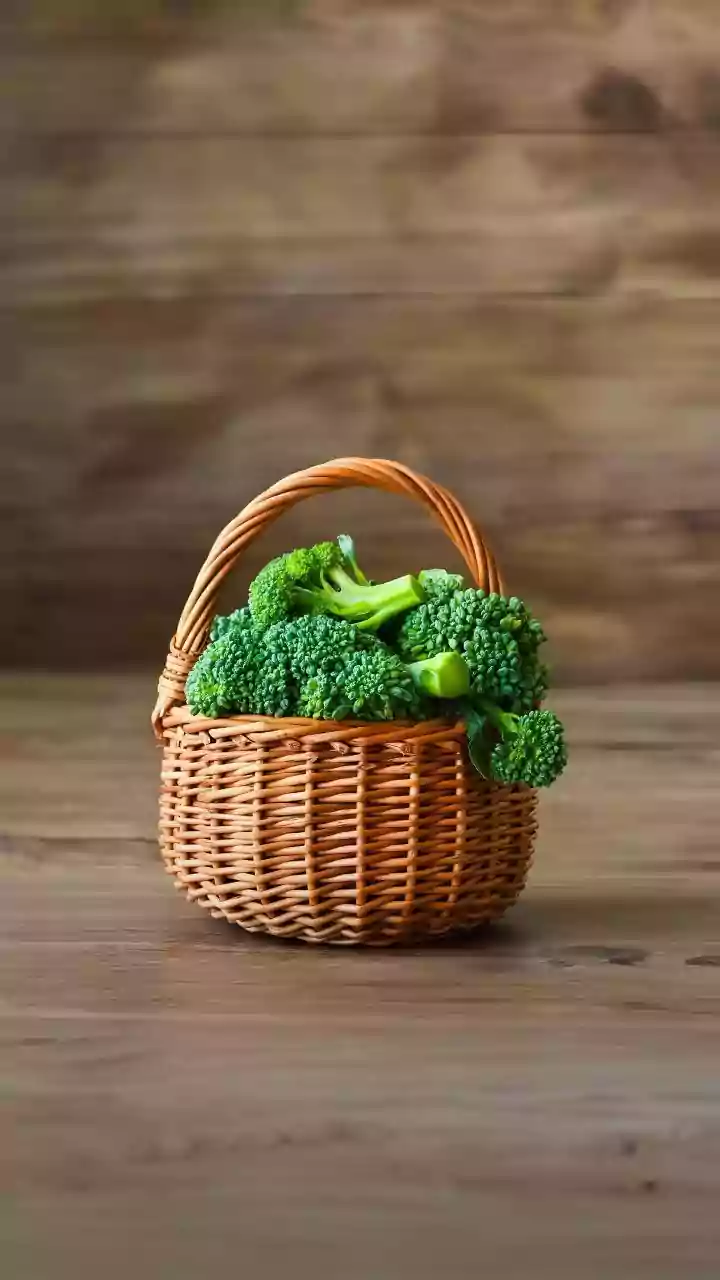
Broccoli, cauliflower, kale, cabbage, and Brussels sprouts belong to a family of nutritional superstars known as cruciferous vegetables. Renowned for their dense nutritional profile, they are packed with vitamins, fibre, and a host of powerful plant compounds.
A key reason for their health-promoting reputation is their high concentration of antioxidants and special sulfur-containing compounds called glucosinolates. When these vegetables are chopped or chewed, an enzyme called myrosinase is released, which converts glucosinolates into beneficial compounds like sulforaphane. Sulforaphane has been the subject of extensive research for its potential role in supporting the body's natural defense and detoxification systems.
How Cooking Changes Everything
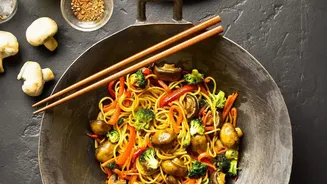
The method you choose to cook your vegetables can dramatically alter their nutritional content. While cooking can improve the digestibility and absorption of some nutrients, harsh methods can destroy others. Boiling, for instance, is particularly damaging to water-soluble vitamins like Vitamin C and B vitamins. When you boil broccoli, a significant portion of these vital nutrients, along with the beneficial glucosinolates, leach out into the cooking water, which is usually discarded. Studies have shown that boiling can result in a substantial loss of these compounds. Frying or stir-frying at high heat can also degrade these sensitive compounds, with some research indicating significant losses.
The Gentle Power of Steaming
This is where steaming shines. As a cooking method, it is uniquely gentle. Because the vegetables are cooked by the hot vapour rather than being submerged in water, it prevents water-soluble nutrients from washing away. Research has consistently shown that steaming is the best method for preserving glucosinolates in cruciferous vegetables. In fact, some studies suggest that steaming can even increase the measurable amount of these compounds compared to raw broccoli. The key is the duration. Brief steaming, typically for three to five minutes, is the sweet spot. This short duration is enough to soften the vegetables and make them tender-crisp while preserving the crucial myrosinase enzyme needed to produce sulforaphane. Microwaving or boiling, even for just a minute, can destroy this enzyme.
How to Steam for Maximum Benefit
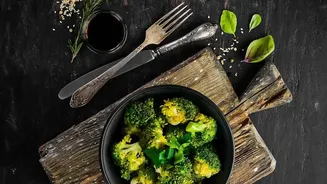
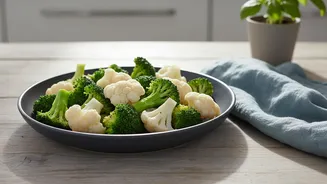
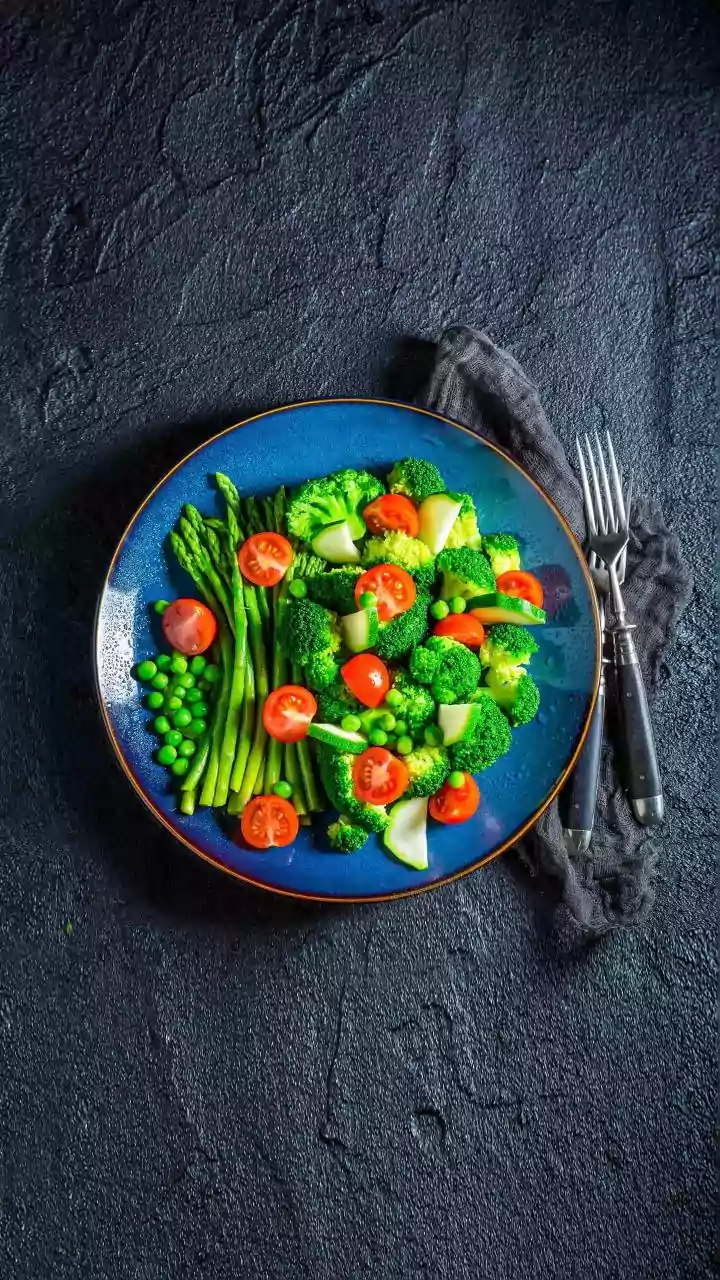
Perfecting your steaming technique is simple. You'll need a pot with a tight-fitting lid and a steamer basket. Fill the pot with about an inch of water, ensuring the water level is below the bottom of the basket. Bring the water to a boil, then add your chopped vegetables to the steamer basket, place it in the pot, and cover tightly. For florets of broccoli or cauliflower, aim for about three to five minutes. The goal is a vibrant green colour and a tender-crisp texture—firm, but easily pierced with a fork. Overcooking will not only lead to a mushy texture and dull colour but will also begin to degrade the very nutrients you're trying to preserve.
More Than Just Antioxidants
The benefits of brief steaming extend beyond just glucosinolates and sulforaphane. This cooking method is excellent for retaining a wide array of nutrients, including Vitamin C and soluble proteins and sugars, which are often lost in other cooking processes. Steaming also requires no added fats or oils, making it a low-calorie option that lets the natural flavour of the vegetables shine through. The resulting texture is often more pleasant than boiled or overcooked vegetables, making it an easy and delicious way to incorporate these nutritional powerhouses into your daily meals. By making a small change to your cooking routine, you can ensure you’re getting the maximum return on your healthy food choices.