





The Anatomy of a Viral Challenge
What makes a fitness challenge go viral isn't just about the exercise; it's about the packaging. The most successful ones share a few key traits. First, they are simple to understand and execute, at least initially. Think of the plank challenge: the rules
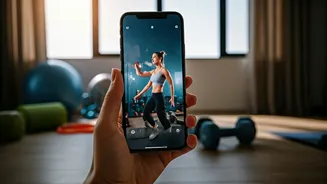
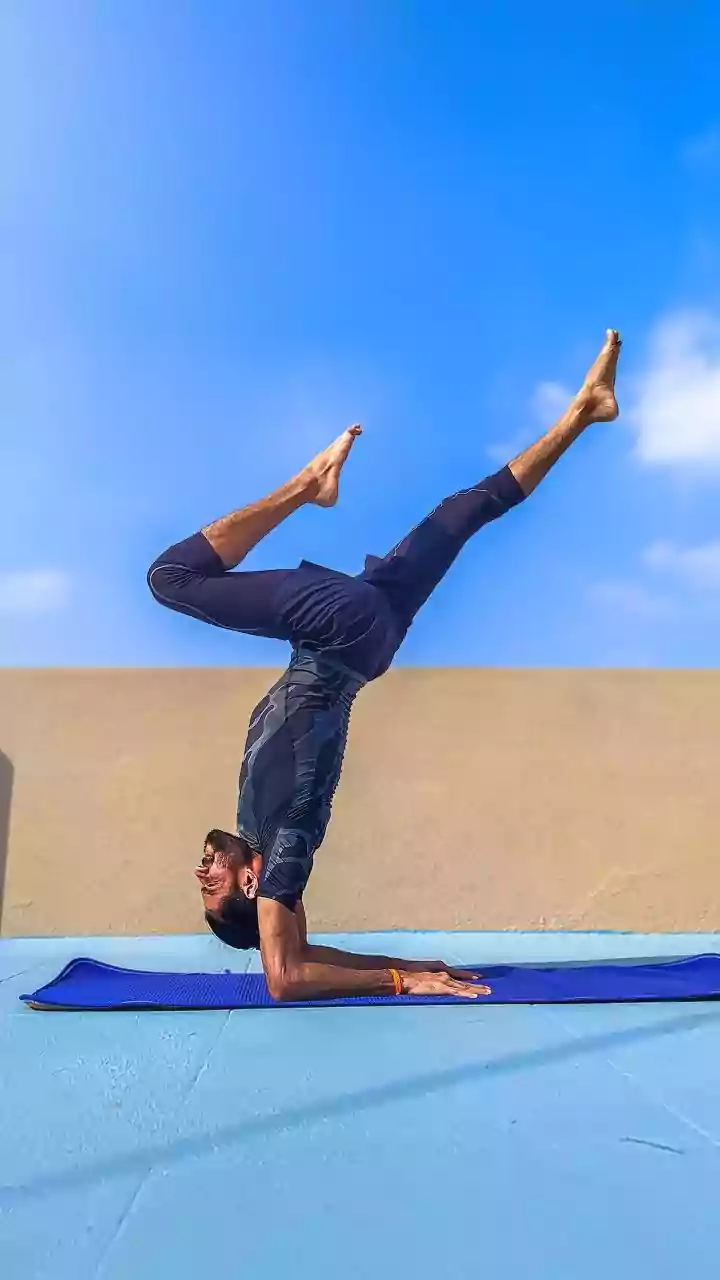
are minimal, and it requires no equipment. Second, they have a clear, shareable metric for progress, like time held or days completed. This creates a natural narrative that plays out on social media. Finally, they come with a catchy name and a dedicated hashtag, like #75Hard or #HotGirlWalk. This transforms a solitary activity into a global, community-driven event. The visual element is crucial—a sweaty post-workout selfie or a time-lapse video provides the social proof that drives the trend forward.
From Planks to '75 Hard'
The landscape of viral fitness is constantly shifting. We’ve seen everything from the relatively benign '30-Day Squat Challenge' to the notoriously intense '75 Hard' program created by entrepreneur Andy Frisella. The latter demands participants follow a strict diet, complete two 45-minute workouts a day (one outdoors), drink a gallon of water, read 10 pages of a non-fiction book, and take a progress picture daily—for 75 consecutive days. A single slip-up means starting over from Day 1. While its creator frames it as a 'mental toughness program,' fitness experts often caution against its all-or-nothing approach. More recently, trends have softened, like the #HotGirlWalk, which focuses more on mental well-being, fresh air, and a good podcast than on extreme physical exertion. It proves that a challenge doesn't have to be punishing to capture the internet's imagination.
The Psychology of the Grind
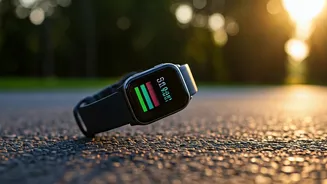
So, why do we keep signing up? The answer lies in basic human psychology. These challenges tap into our desire for structure, achievement, and community. The gamification aspect—completing levels, tracking streaks, and hitting milestones—releases dopamine, the brain's feel-good chemical. Seeing others participate creates a powerful sense of social proof and FOMO (fear of missing out). Publicly committing to a challenge by posting about it also introduces an accountability partner: your entire follower list. Every 'like' and encouraging comment provides a small but potent burst of validation, reinforcing the behaviour. In a world of endless choices, the rigid, simple rules of a fitness challenge can feel like a welcome dose of certainty and control.
Fun and Games or Digital Danger?
While viral challenges can provide motivation and a sense of community, they are not without risks. Many are designed by influencers or marketers, not certified fitness professionals. This can lead to poorly structured programs that increase the risk of injury, especially for beginners who might push themselves too hard, too soon. The 'no days off' mentality promoted by some challenges ignores the critical importance of rest and recovery for muscle growth and injury prevention. Furthermore, the constant focus on progress pictures and physical transformation can fuel body dysmorphia and unhealthy eating patterns. The pressure to present a perfect journey online can be mentally taxing, turning a wellness activity into another source of digital-age anxiety. Experts advise treating them as inspiration, not gospel, and modifying them to suit your own fitness level and needs.