

From Sightseeing to Story-Living
For decades, a holiday often meant a checklist of monuments and photo opportunities. Today, there's a significant shift in what travellers want. Instead of just looking at a palace, they want to understand its history; instead of just tasting a local
dish, they want to learn how to cook it. This is the core of experiential travel, a segment projected to become dominant in India's tourism industry by 2030. A recent report found that 67% of Indian travellers now plan their holidays with a primary focus on culture and heritage. This move is less about seeing the sights and more about 'story-living'—immersing oneself in the living history and traditions of a place.
What's Driving the Heritage Wave?
This trend is largely fuelled by younger demographics, particularly Millennials and Gen Z, who prioritise authentic experiences over conventional tourism. Reports indicate that this 18-35 age group accounts for a significant majority of experiential travel bookings. Several factors are at play. There's a growing desire to reconnect with cultural roots and find a sense of identity in a fast-paced world. Social media also plays a role, highlighting unique, story-rich destinations over mainstream ones. Furthermore, travellers are looking for more than just a break; they want personal growth, cultural engagement, and meaningful connections, which heritage travel provides in abundance.
More Than Just Monuments
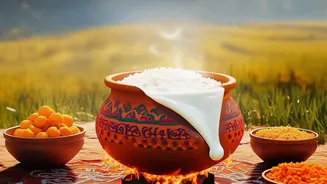
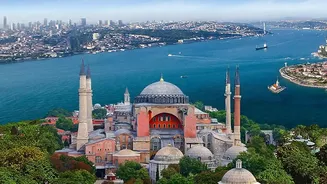
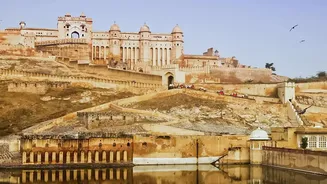
So, what does a heritage holiday actually look like? It extends far beyond visiting UNESCO World Heritage Sites. It’s about staying in a restored haveli in Rajasthan, a colonial plantation bungalow in Kerala, or an ancestral family home in Goa, where the walls themselves tell a story. Experiences are central to the holiday. This could mean participating in a pottery-making workshop, learning a traditional dance form, or joining a heritage walk through the old quarters of a city. Food is another major draw, with 43% of travellers saying they would plan a trip around regional culinary experiences. These activities offer a hands-on connection to a place's culture, transforming a vacation into a deeply personal and educational journey.
The Conscious Traveller's Choice
The rise of heritage tourism also aligns with a growing consciousness around sustainability and community support. When travellers choose to stay in a heritage homestay or buy directly from local artisans, they are contributing to the preservation of both physical structures and intangible traditions like crafts and folklore. This form of tourism helps generate local income and provides a strong economic incentive for communities to protect their cultural assets. Knowing that their travel choices have a positive impact adds another layer of fulfilment for many experience-seeking tourists, making heritage holidays a responsible way to explore the country.