





Beyond the Bowl of Kibble
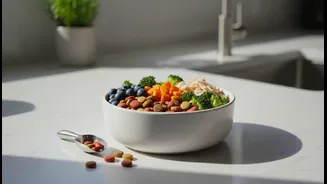
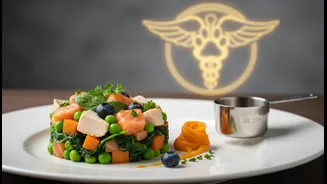
The familiar rattle of dry kibble is being replaced by the sounds of vacuum-sealed pouches being opened and freshly cooked meals being served. Gourmet pet food in India has moved far beyond just premium packaged pellets. The new menu features human-grade
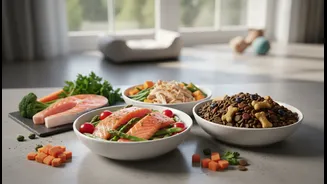
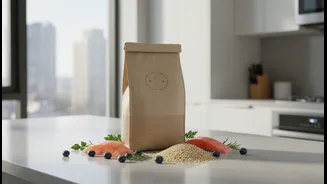
ingredients, which means the ingredients are approved as safe for human consumption. Think boneless duck, Atlantic salmon, and quinoa, often prepared in specialised cloud kitchens and delivered fresh. Startups and established brands alike are offering a wide array of options, including fresh-cooked daily meals, ready-to-eat stews, grain-free formulas, and even customised diet plans based on a pet's specific breed, age, and health needs. These meals often address specific health concerns like joint support, digestive health, or allergies, mirroring trends in human nutrition.
The 'Pet Humanization' Effect
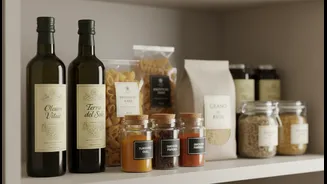
The single biggest driver behind this culinary shift is a powerful emotional trend: pet humanization. Across urban India, especially in nuclear family setups, pets are no longer just animals; they are considered children, companions, and integral family members. A 2024 report highlighted that a majority of Indian pet owners view their pets as family, with a significant percentage seeing them as their own children. This emotional bond, coupled with rising disposable incomes, means pet parents are increasingly willing to spend more on their pet's well-being. They seek the same quality, nutritional benefits, and clean labels for their pets that they want for themselves, driving demand for organic, natural, and preservative-free options.
A Market Ready to Boom
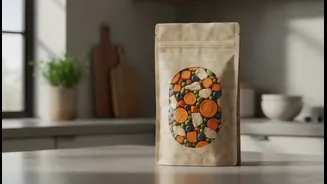
The numbers tell a story of rapid growth. The Indian pet food market is expanding at a significant double-digit rate annually, with the premium and super-premium segments growing even faster. Forecasts project the market to be worth billions of dollars in the coming years, transforming it from a niche category into a major consumer goods segment. This growth has attracted a wave of D2C (direct-to-consumer) startups and online-first brands that are challenging legacy players. Companies are launching with innovative products like freeze-dried meals, customised subscription boxes, and even pet-safe bakery items like cakes and doughnuts. The expansion of e-commerce and quick-commerce platforms has made these products more accessible than ever, delivering them to doorsteps in both metro cities and increasingly, Tier-2 and Tier-3 towns.
Is It a Healthier Choice?
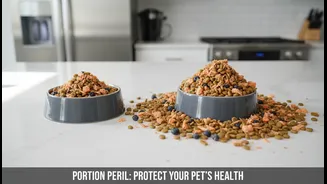
The central promise of gourmet pet food is superior nutrition. Proponents argue that using fresh, human-grade ingredients that are minimally processed leads to better health outcomes, such as a healthier coat, improved digestion, and increased energy levels. Formulations are often developed with veterinary guidance, focusing on balanced diets free from fillers and artificial additives that are sometimes found in traditional feed-grade food. However, the debate continues. While the ingredients are high-quality, it's crucial that the final formulation is nutritionally complete and balanced for a specific animal's needs. Vets remain the most trusted source of advice for pet care decisions, and many owners consult them before making a significant switch in their pet's diet.