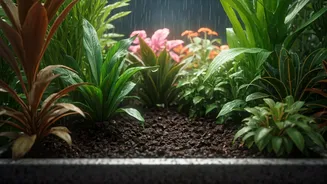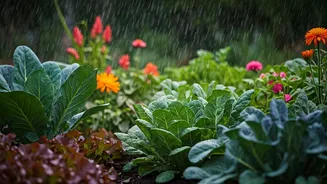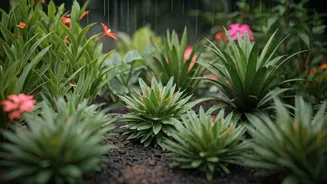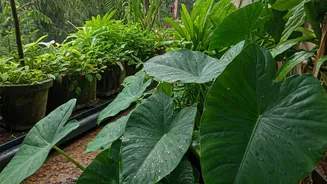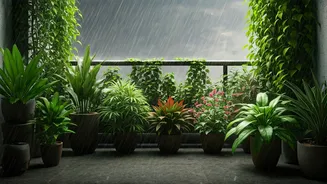




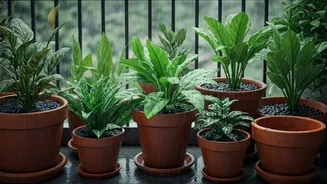


Nature’s Perfect Irrigation System
The most obvious benefit of monsoon is the free and consistent watering. Rainwater is naturally soft, free from the chlorine and salts often found in tap water, which can inhibit plant growth. [7, 8] It also contains dissolved nitrogen from the atmosphere,
a vital nutrient that acts as a natural fertilizer, giving plants a visible boost. [11] The high humidity reduces the rate at which plants lose water from their leaves, allowing them to conserve energy for growth. Furthermore, the rain helps to wash away dust and grime from leaves, improving their ability to photosynthesise, and it can leach accumulated salts from the soil, improving its health. [4]
What to Plant in the Rainy Season
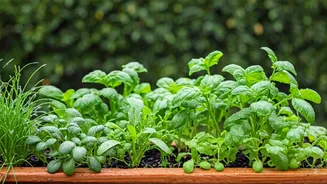
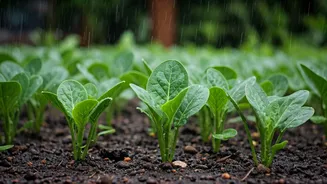
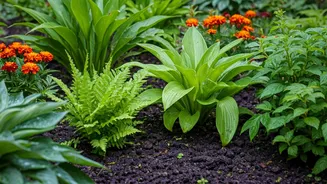
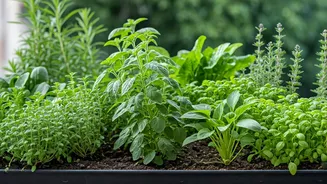
The monsoon is the ideal time to grow a variety of vegetables that thrive in warm, humid conditions. For beginners, some of the easiest and most rewarding choices include okra (bhindi), beans, cucumber, and tomatoes. [2] Gourds of all kinds, such as bottle gourd (lauki), ridge gourd (turai), and bitter gourd (karela), grow vigorously during this time, often producing for long periods. [5, 10] Leafy greens like spinach and coriander also do well, provided they are in well-draining soil. [5] For those who love a bit of spice, green chillies are a perfect monsoon crop. [9] Popular flowers that flourish now include hibiscus, marigold, jasmine, and the aptly named rain lily. [18]
Preparing Your Garden Beds and Pots
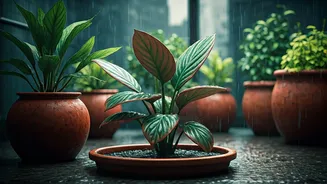
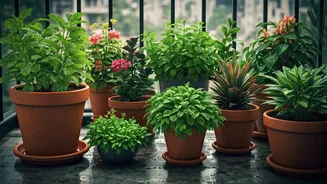
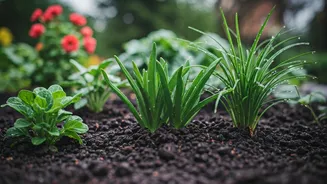
Success in monsoon gardening hinges on one critical factor: drainage. While the rain is a blessing, waterlogged soil can suffocate roots and lead to rot. [19, 23] Before planting, prepare your soil by loosening it with a garden fork and mixing in organic matter like compost or well-rotted cow manure. [14] This not only adds nutrients but also improves the soil's structure, allowing excess water to drain away. [14, 22] For container gardening, ensure every pot has drainage holes at the bottom. Using raised beds is another excellent strategy to prevent waterlogging in a garden patch. [17] A good potting mix for monsoon can be made by combining soil with compost and coco peat, which helps retain moisture without becoming soggy. [6]
Essential Care During the Downpour
Once your garden is planted, your role shifts to maintenance and protection. Even though it's the rainy season, don't assume your plants are always perfectly watered; check the soil and only water if the top inch feels dry. [18] Heavy winds and rain can damage delicate plants, so provide support with stakes or trellises, especially for climbers like beans and cucumbers. [17] Regularly trim your plants to remove dead or broken leaves and branches, which promotes healthier new growth and improves air circulation. [16, 18] Weeds also love the monsoon, so be diligent about removing them regularly so they don’t steal nutrients from your vegetables and flowers. [15, 23]
Watch Out for Pests and Diseases
The high humidity of the monsoon creates a perfect breeding ground for fungal diseases and pests. [3, 24] Keep an eye out for common fungal issues like powdery mildew, which appears as white patches on leaves, and leaf spot. [13, 26] Ensuring good air circulation by not overcrowding your plants can significantly reduce these risks. [24] Pests such as aphids, whiteflies, and various caterpillars also thrive in this season. [3, 25] To manage them, you can regularly inspect your plants and, if needed, use organic solutions like a neem oil spray, which acts as a natural repellent and fungicide. [22] Proper drainage and avoiding overwatering are your first lines of defence against many root diseases. [3]