


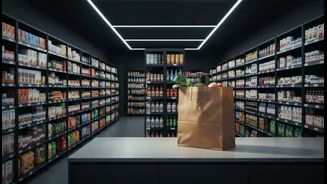




Gain: The Advantage of Centralised Dark Stores
A major safety advantage of quick-commerce platforms like Zepto, Blinkit, and Swiggy Instamart comes from their operating model: the 'dark store'. These are small, hyperlocal warehouses, not open to the public, designed purely for fulfilling online orders.
Unlike a traditional corner store, these facilities can offer a more controlled environment. They are often subject to stringent internal hygiene protocols and must obtain FSSAI licenses, just like any other food business operator. This centralized stocking can lead to better standards for cleanliness, pest control, and organised storage, moving perishable goods out of less predictable, open-market environments into a more regulated space. The Food Safety and Standards Authority of India (FSSAI) has also directed platforms to ensure products have a minimum shelf life, tackling the issue of expired goods head-on.
Gain: Vetted and Trackable Delivery Partners
Concerns about who is delivering your order are valid, and quick-commerce companies are investing in safety here. Many platforms are now partnering with specialised identity verification firms to conduct background checks on their delivery personnel. This goes beyond a simple document check, often including instant verification of Aadhaar and PAN, cross-referencing against criminal databases, and even police verification in states where it's becoming mandatory. While no system is perfect, this represents a significant step up from the informal delivery systems of the past. For one large platform, these checks flagged about 1.5% of applicants for issues like criminal records or invalid licenses, preventing potentially high-risk individuals from joining their network. For the customer, this is coupled with the safety feature of real-time tracking, adding a layer of security and transparency to the last-mile delivery process.
Needs Checking: The Unbroken Cold Chain Promise
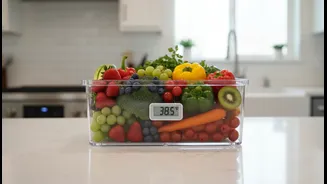
The single biggest challenge in grocery safety is the cold chain—the unbroken, temperature-controlled journey of perishable items like ice cream, dairy, and frozen foods. While dark stores may have temperature-controlled freezers, the system's integrity is tested during the last-mile delivery. A 10-minute delivery on a hot day can still expose products to temperature fluctuations that compromise quality and safety. Industry reports and regulatory inspections have highlighted that lapses are a significant risk, especially as companies scale rapidly. The FSSAI has issued advisories and conducted inspections, with some facilities facing license suspensions over poor storage and hygiene, including failures in cold chain management. For consumers, it means that while the quick-commerce model has the potential for better cold chain management, its execution is still a critical area for scrutiny.
Needs Checking: The Pressure of the 10-Minute Clock
The very promise of 10-minute delivery creates its own set of safety concerns. The immense pressure on delivery partners to meet tight deadlines can lead to unsafe driving practices, as they navigate congested city streets to avoid penalties or bad ratings. This not only endangers the riders but also creates a rushed environment where careful handling of goods might be compromised. There have been public and political calls to examine the sustainability of this model, citing worker exploitation and the high-stress conditions it creates. While companies state they don't officially penalise for late deliveries, the incentive structures and customer expectations can foster a high-pressure environment. This operational stress is a hidden factor that can indirectly impact the care with which your groceries are handled and transported.
Needs Checking: Your Digital Data Trail
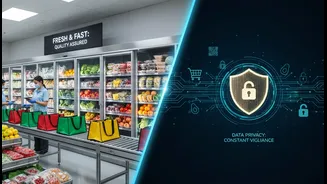
In the digital age, safety isn't just physical. Every order you place contributes to a vast collection of personal data: your address, contact information, purchase history, and even your dietary preferences. Quick-commerce platforms collect this information to personalize services and forecast demand. While companies have detailed privacy policies outlining how they use this data, questions about data security and usage remain. For instance, as platforms expand into creating their own private-label brands, concerns have been raised about whether they could use customer data to gain an unfair competitive advantage against other brands listed on their marketplace. Shoppers should be aware that their grocery habits are valuable data points, and it's important to understand how that information is being protected and used by the platforms they trust.