




The Foundation: Multifunctional Furniture
The key to a small, hardworking living room is furniture that does more than one job. Think of your large pieces as investments in versatility. A sofa bed is the classic example, instantly turning your lounge into a guest room. Look for modern designs
that are comfortable for both sitting and sleeping. Beyond the sofa, consider a storage ottoman instead of a traditional coffee table. It can hide away blankets, remotes, and work supplies while also serving as extra seating or a footrest. Nesting tables are another hero, offering flexible surface area that can be spread out when guests arrive and tucked away neatly afterwards. These pieces form the flexible core of your room.
Carving Out a Dedicated Workspace
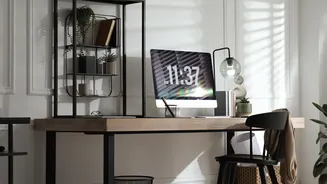
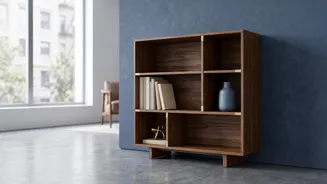
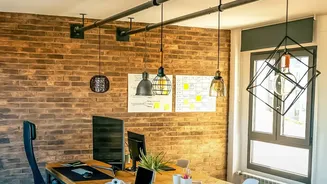
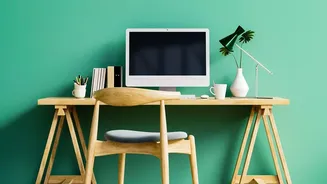
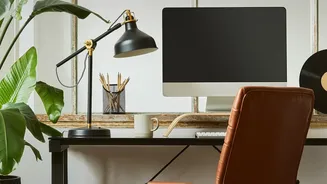
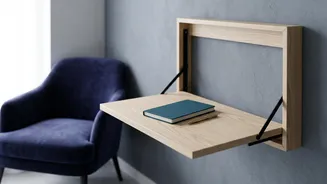
Working from the couch is fine for an afternoon, but a long-term solution requires a dedicated zone to help you focus and, just as importantly, switch off. You don't need a separate room. A floating or wall-mounted desk can create a functional office nook without consuming valuable floor space. Another clever strategy is to place a slim console desk behind your sofa. This 'wasted' space becomes a productive area that is visually separate from the main relaxation zone. If you have a window nook, claim it for your desk to benefit from natural light. To keep work clutter from taking over, use vertical shelving and ensure your desk has at least one drawer for essentials. After work hours, a decorative screen or even a curtain can hide your setup, allowing the room to transition back to a place of rest.
Designing for Rest and Relaxation
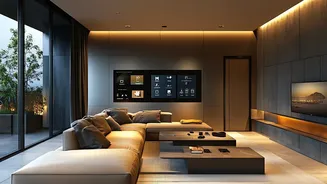
After the work is done, your living room needs to feel like a sanctuary. This is achieved through softer touches. Use colour and texture to create a cozy atmosphere. Light, neutral wall colours can make a space feel larger and more open, while warm tones in textiles and decor add comfort. Layering textures is crucial; think plush rugs, velvet cushions, and chunky knit throws. These elements add depth and a sense of warmth. Good lighting is also essential. Instead of a single harsh overhead light, use a combination of floor lamps, table lamps, and perhaps an adjustable wall lamp to create different moods. This allows you to have bright, focused light for reading and softer, ambient light for relaxing.
The Art of 'Zoning' Your Space
To make the different functions work together, you need to create 'zones'. Zoning is the practice of visually dividing a room into distinct areas for different activities. You don’t need walls to do this. An area rug is one of the most effective tools; placing one under your seating area clearly defines the 'lounge' zone. Furniture placement also creates natural divides; the back of a sofa can separate the living area from a workspace. Even lighting can help define a zone, with a focused task lamp over a desk and a soft floor lamp in a reading corner. This approach brings order to a multifunctional room, making it feel more organized and intentional.