
The Science of Plant Perspiration
To understand why humidity matters, we first need to talk about how plants drink and 'breathe'. Plants absorb water through their roots, which then travels up the stem to the leaves. This water is essential for photosynthesis and for transporting nutrients.
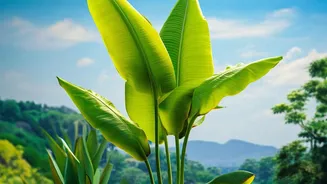
But not all of this water stays inside the plant. A large portion of it is released back into the atmosphere through tiny pores on the leaves called stomata. This process is called transpiration, and it’s essentially the plant equivalent of perspiration. As water evaporates from the leaves, it creates a pull that draws more water up from the roots, ensuring a continuous flow of moisture and nutrients throughout the plant.
How Humidity Changes Everything
So, where does humidity fit in? Humidity is the amount of moisture, or water vapour, already present in the air. When the air is dry (low humidity), the difference in moisture levels between the leaf and the surrounding air is significant. This causes water to evaporate from the leaves quickly, leading to a high rate of transpiration. The plant loses water faster, so it needs to draw more from the soil to stay hydrated. Conversely, when the air is humid—as it often is during India's monsoon season—it is already saturated with water vapour. This reduces the rate at which water can evaporate from the leaves. Transpiration slows down dramatically. Because the plant is losing less water through its leaves, it doesn't need to absorb as much from the soil through its roots.
The Hidden Danger of Overwatering
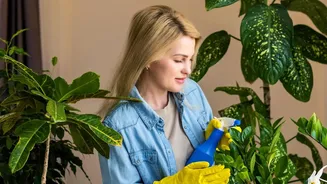
This is where many well-intentioned plant parents go wrong. If you continue watering your indoor plants on the same schedule you used during a dry, hot summer, you risk overwatering. When transpiration slows, the soil in the pot stays moist for much longer. If you add more water to already damp soil, it can become waterlogged. This suffocates the roots by depriving them of oxygen, creating the perfect environment for fungal diseases like root rot. Signs of overwatering can be confusing because they often mimic the signs of underwatering—think yellowing leaves, wilting, and leaf drop. The key difference is that with overwatering, these symptoms appear even when the soil is damp. You might also notice mould on the soil surface or a musty smell.
Ditch the Schedule, Trust the Soil
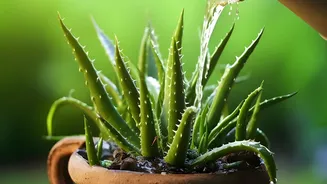
The single most important takeaway for humid weather is to abandon a strict watering schedule. Instead of watering every Sunday, get into the habit of checking your plants first. The most reliable method is the 'finger test'. Insert your finger about one to two inches into the soil. If it feels dry at that depth, it’s time to water. If it feels moist, hold off for a few more days and check again. During particularly humid periods, you might find that a plant that needed watering once a week now only needs it every 10 to 15 days. Different plants have different needs; succulents and cacti will need far less water than tropical foliage plants, so always check each plant individually.
Practical Tips for Humid Days
Beyond checking the soil, a few other adjustments can help your plants thrive in high humidity. First, always ensure your pots have good drainage holes; without them, excess water has nowhere to go. If you use decorative outer pots without holes, make sure to tip out any water that collects in the bottom after watering. Secondly, water in the morning. This gives the plant the whole day to use the water and for any excess surface moisture to evaporate. Finally, consider airflow. Grouping plants can increase local humidity, which is great in dry climates, but in already humid conditions, giving them a bit of space can improve air circulation and help prevent fungal issues.