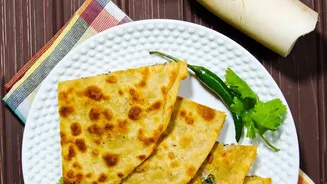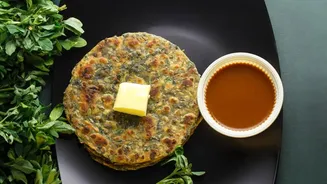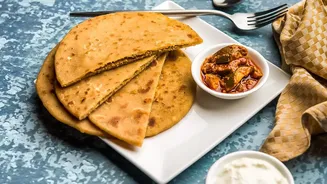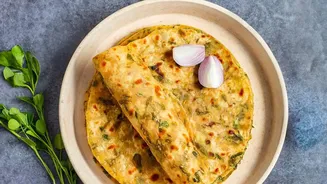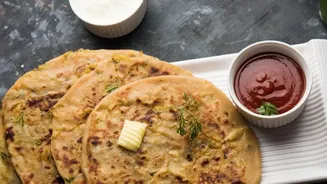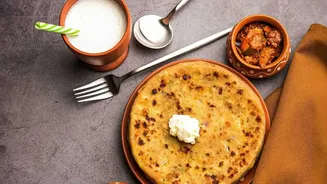



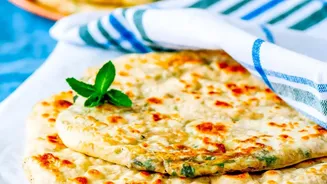
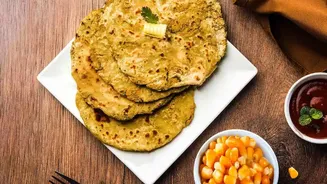
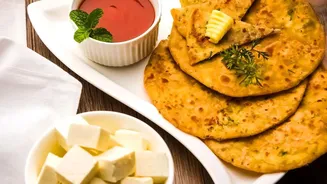
As winter mornings arrive, our cravings shift towards warm, comforting, and nourishing meals. This homemade Jowar Mooli Paratha is the perfect answer, blending traditional ingredients into a savoury breakfast that is both hearty and healthy.
A Perfect Winter Pairing
In many Indian
households, the winter diet traditionally shifts to include ingredients that are warming and energy-dense. Millets like jowar (sorghum) and seasonal vegetables like mooli (radish) are staples during this time for good reason. Jowar is considered a 'warming' grain, providing sustained energy through complex carbohydrates, making it ideal for colder months. Mooli, which is harvested in winter, is not only at its freshest but is also traditionally consumed to aid digestion and clear the sinuses, common concerns during this season. This paratha combines the best of both, creating a meal that aligns perfectly with the body's seasonal needs.
The Goodness of Jowar
Jowar, or sorghum, is an ancient grain that has regained popularity for its impressive health profile. It is naturally gluten-free, making it an excellent choice for those with gluten sensitivity or celiac disease. One of its standout benefits is its high fibre content, which aids digestion, promotes a feeling of fullness, and helps in managing weight. Furthermore, jowar has a low glycaemic index, meaning it releases sugar into the bloodstream slowly. This property makes it particularly beneficial for managing blood sugar levels. It is also a powerhouse of essential nutrients, including iron, magnesium for bone health, and B vitamins like niacin, which helps in energy metabolism.
Radish: The Unsung Winter Hero
Often overlooked, the humble mooli is a nutritional star, especially in winter. It's an excellent source of Vitamin C, a powerful antioxidant that helps bolster the immune system. Mooli is celebrated in Ayurveda for its digestive properties; it is believed to stimulate appetite and enhance the secretion of digestive juices, which helps in breaking down fats and reducing issues like bloating and acidity. It also acts as a natural detoxifier, supporting liver and kidney function by helping to flush out toxins. The leaves of the radish are edible too and are packed with iron and calcium.
Gather Your Ingredients
This recipe yields about 6-8 parathas. Here’s what you’ll need: Jowar Flour: 2 cups Mooli (Radish): 1 cup, grated Green Chillies: 2, finely chopped (adjust to taste) Ginger: 1-inch piece, grated Coriander Leaves: A handful, finely chopped Carom Seeds (Ajwain): 1 teaspoon Red Chilli Powder: ½ teaspoon (optional) Turmeric Powder: ¼ teaspoon Salt: To taste Hot Water: Approximately 1.5 to 2 cups for kneading * Ghee or Oil: For cooking
Step-by-Step to the Perfect Paratha
1. Prepare the Radish: Sprinkle a little salt on the grated radish and set it aside for about 10-15 minutes. This will cause the radish to release its water. Squeeze the grated radish firmly to remove all excess water. This step is crucial to prevent the dough from becoming too sticky. 2. Make the Dough: In a large bowl, combine the jowar flour, squeezed radish, chopped green chillies, grated ginger, coriander leaves, carom seeds, red chilli powder, turmeric, and salt. Mix everything well. 3. Knead with Hot Water: Gradually add hot water to the flour mixture and start kneading. Using hot water is a key trick for making soft jowar rotis, as it helps the gluten-free flour bind together. Knead for 5-7 minutes until you have a soft, smooth, and pliable dough. If it feels too dry, add a few drops of warm water; if too sticky, add a little more flour. 4. Roll the Parathas: Divide the dough into equal-sized balls. Since jowar flour lacks gluten, it can be tricky to roll. A good method is to place a dough ball on a piece of parchment paper or a plastic sheet, flatten it slightly, and then gently roll it out using a rolling pin or pat it with your fingertips to a circle of about 4-5 inches in diameter. 5. Cook to Perfection: Heat a tawa (griddle) on medium heat. Carefully place the paratha on the hot tawa. Let it cook for about a minute until you see small bubbles. Flip it, apply a little ghee or oil, and cook the other side. Press gently with a spatula to help it cook evenly. Cook until both sides have golden-brown spots.