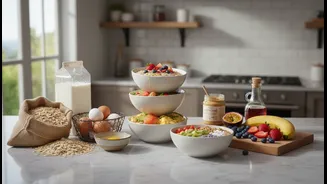




The Flexible Cooking Mindset
Flexible cooking is less about rigid recipes and more about a fluid approach. Instead of planning exact meals for the week, you focus on a loose structure, keeping a well-stocked pantry and having a few 'base' recipes in your arsenal. This method allows
you to pivot based on what looks good at the market, what’s on sale, or what needs to be used up in your fridge. The goal is to reduce decision fatigue while welcoming spontaneity. It’s a shift from "What specific dish am I making?" to "What can I create with these beautiful, inexpensive ingredients?" This approach not only slashes grocery bills but also significantly cuts down on food waste, as you become adept at using what you have.
Mastering the 'Base' Recipe
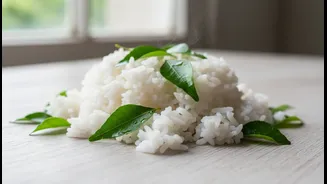
The secret to successful flexi-cooking is the 'base' recipe. This is a foundational dish that can happily accommodate a wide variety of ingredients. For Indian kitchens, this is an intuitive concept. Think of a basic onion-tomato curry base; it can welcome anything from potatoes and cauliflower to paneer or chickpeas. Once you master a simple dal tadka, you can use any lentil you have on hand. A basic pulao can be adapted to include whatever vegetables you find at a discount, from carrots and peas to beans and corn. The idea is to perfect a simple, flavourful foundation—be it a stir-fry sauce, a soup broth, or a curry gravy—that you can then customize endlessly. This saves time and mental energy, as the core of the meal is already figured out.
Shopping with an Open Mind
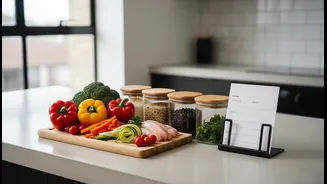
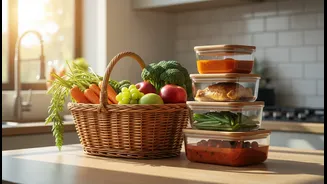
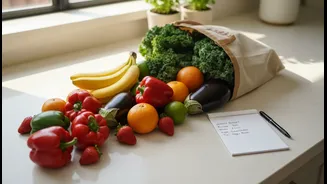
Flexible cooking starts at the market. Instead of a rigid shopping list, go with a general idea of what you need. Focus on stocking up on pantry staples and then let the seasonal and discounted items guide your fresh purchases. In India, this means embracing the rhythm of the seasons: mangoes and okra in the summer, gourds during the monsoon, and leafy greens like mustard (sarson) and fenugreek (methi) in the winter. When you see a great deal on bhindi (okra) or a vibrant bunch of palak (spinach), you can confidently buy it, knowing you have flexible meal formats at home that can incorporate them. Look for 'ugly' or misshapen produce, which is often sold at a discount but is perfectly nutritious and flavourful. This strategy supports local farmers and ensures you're eating produce at its peak freshness and nutritional value.
Essential Flexible Meal Formats
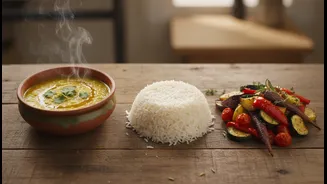
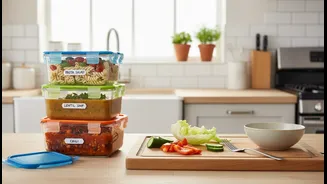
Certain types of dishes are naturally suited for flexibility. Sabzis are a prime example; a simple stir-fry of chopped vegetables with turmeric, cumin, and coriander can adapt to almost any vegetable. Dals and curries, as mentioned, are perfect for absorbing different vegetables or even leftover roasted items. Pulaos and biryanis are excellent for using up a mix of vegetables you have on hand. Don't forget about versatile egg dishes like frittatas or spiced omelettes, which can be filled with leftover cooked vegetables and a bit of cheese. Soups are another fantastic way to use up vegetables that are slightly past their prime, simply by simmering them in a flavourful broth.
Building Your Flexi-Pantry
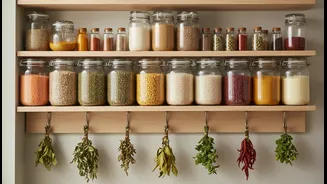
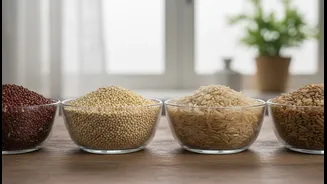
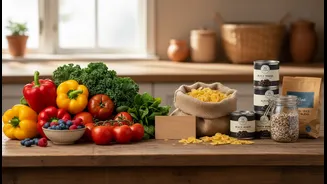
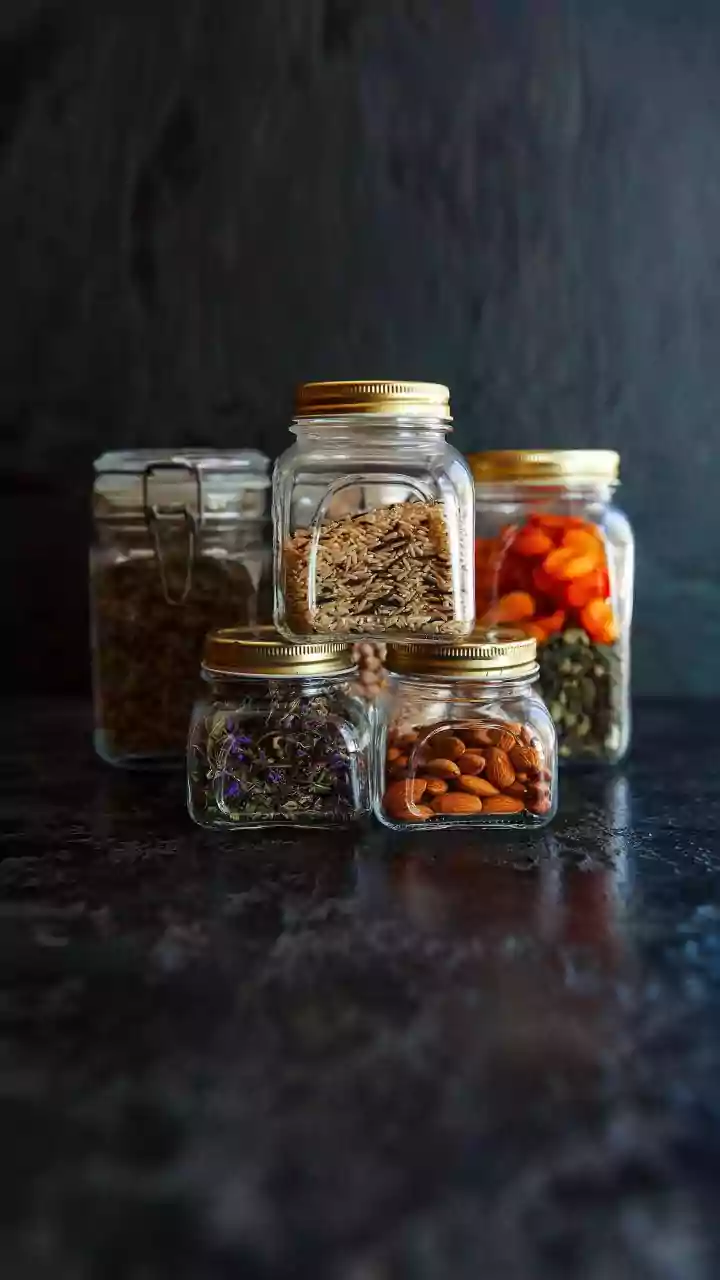
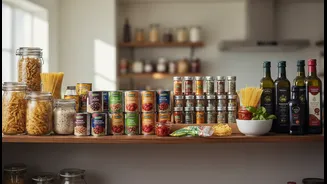
A well-stocked pantry is the backbone of flexible cooking. Having the right staples on hand means you’re always ready to turn a spontaneous purchase into a delicious meal. Key items for an Indian kitchen include a variety of lentils (toor, masoor, moong dal), rice (basmati and a short-grain variety), and flours like whole wheat atta and besan. Essential spices like cumin seeds, mustard seeds, turmeric, coriander powder, and garam masala are non-negotiable. Canned tomatoes, tomato paste, and ginger-garlic paste offer convenience and a reliable flavour base year-round. Cooking oils, ghee, onions, potatoes, and garlic have a long shelf life and form the start of countless dishes. Keeping frozen items like peas, corn, or even pre-chopped mixed vegetables can also be a lifesaver on busy nights.