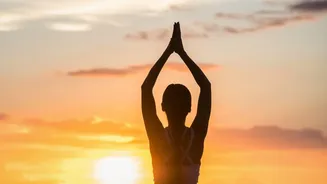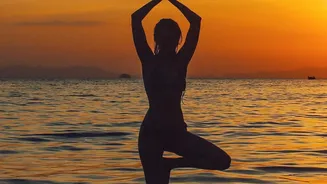


The Foundation: Understanding Tree Pose (Vrksasana)
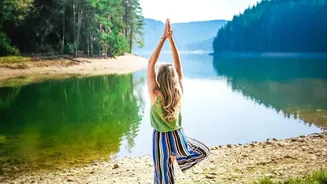
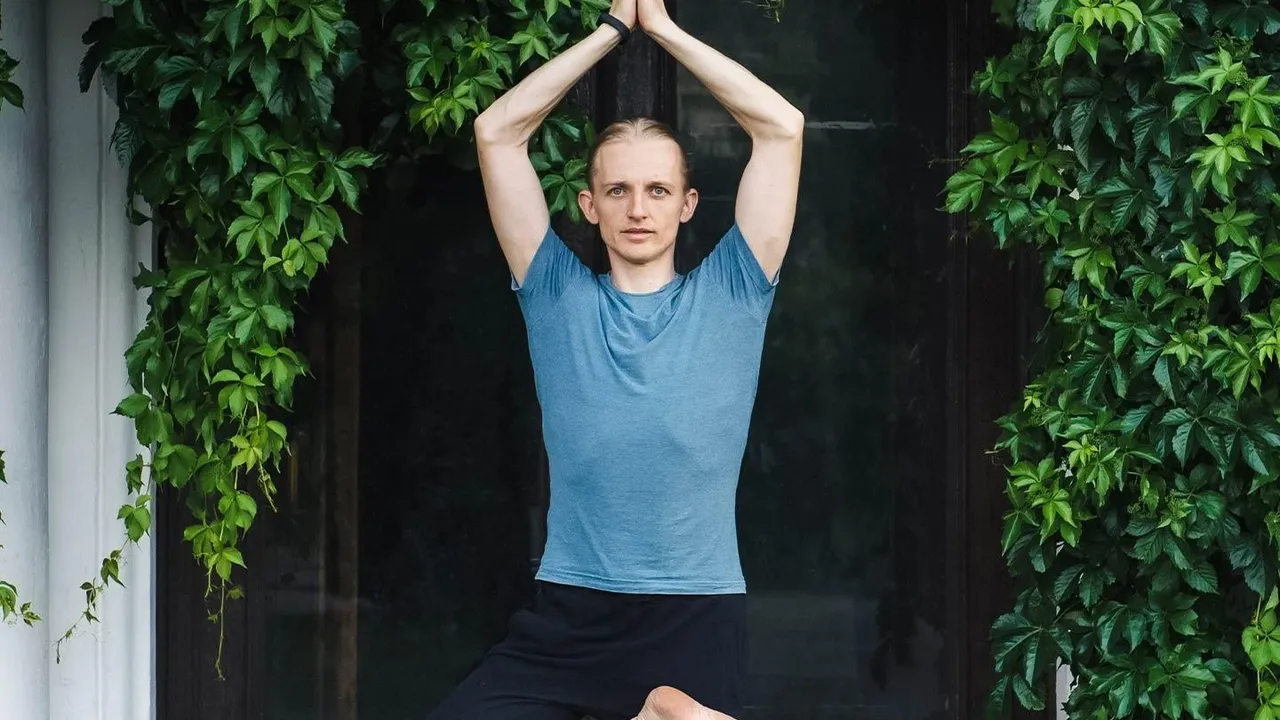
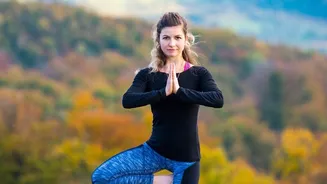
Tree Pose is often one of the first balancing postures yogis learn. It’s a powerful stance that teaches us how to root down through one leg while standing tall and steady. The primary actions involve grounding through the standing foot, engaging the core,
and opening the hip of the bent leg. By pressing the sole of the lifted foot into the inner ankle, calf, or thigh (while always avoiding the knee joint), practitioners create a stable foundation. This pose is celebrated for its ability to strengthen the legs, ankles, and core muscles, improve posture, and calm the mind by requiring a steady point of focus, known as a 'drishti'.
The Challenge: Introducing Eagle Pose (Garudasana)
Eagle Pose is a more complex posture that involves both balancing on one leg and binding the arms and legs. The wrapping of the limbs creates compression in the joints and demands intense concentration to maintain. To form the pose, you bend both knees, wrap one leg over the other, and potentially hook the foot behind the opposite calf. Simultaneously, the arms cross and wrap, with the goal of bringing the palms to touch. This intricate wrap, or 'bind', stretches the shoulders and upper back while strengthening the ankles and legs. The compressing and squeezing action is also thought to improve circulation as fresh blood flows to the joints upon release.
Why Combine Eagle Arms with Tree Pose?
Integrating Eagle arms into Tree Pose offers a wealth of benefits by merging the grounding stability of Vrksasana with the upper body opening of Garudasana. This hybrid posture significantly elevates the balance challenge of a standard Tree Pose. While your lower body remains in a stable, hip-opening position, your upper body introduces a new dynamic. The Eagle arm wrap provides a deep stretch across the shoulders and upper back, an area where many people hold tension. This combination refines your focus and body awareness, as you must simultaneously manage the stability of your standing leg and the intricate alignment of your arms.
How to Practice: Tree Pose with Eagle Arms
Ready to try it? Follow these steps for a safe and steady practice: 1. Begin in Mountain Pose (Tadasana), standing tall with your feet together. Shift your weight onto your left foot, feeling all four corners of the foot press firmly into the ground. 2. Place your right foot on your inner left ankle, calf, or thigh, avoiding the knee. Press the foot and leg into each other to create stability. 3. Once you feel balanced, extend your arms forward, parallel to the floor. Cross your right arm under your left. Bend your elbows, wrapping your right hand around to meet your left palm. If the palms don't touch, simply press the backs of your hands together. 4. Lift your elbows to shoulder height while keeping your shoulders relaxed down your back. Gently press the forearms away from your face to deepen the stretch between the shoulder blades. 5. Find a non-moving spot to gaze at to maintain your balance. Hold for 5-8 breaths, then slowly unwind your arms and release your leg. Repeat on the other side.
Advanced Exploration: The Full Eagle-Tree Hybrid
For seasoned practitioners seeking a greater challenge, a variation incorporating the Eagle leg wrap into Tree Pose is possible, though it requires significant balance and hip flexibility. From a stable Tree Pose, instead of placing the foot on the inner thigh, you can cross the lifted leg's thigh high over the standing leg, as you would in Eagle Pose. The challenge here is maintaining the external hip rotation characteristic of Tree Pose while introducing the 'squeezing to the midline' action of Eagle legs. This variation deeply intensifies the work on the standing leg and core. It is a powerful posture for building focus and strength but should be approached mindfully.
Modifications and Pro-Tips
Yoga is about honouring your body, so modifications are always encouraged. If you feel unsteady, practice near a wall for support. For the arm bind, if wrapping the arms is inaccessible, you can give yourself a hug by placing your hands on your opposite shoulders to still get a gentle upper back stretch. Another option is to hold a yoga strap between your hands to create the bind. Remember, consistency is more important than achieving the 'full' expression of a pose. The goal is not perfection but presence and stability.