
The 'Why': Understanding the Danger Zone
Before diving into the 'how,' it’s vital to understand the 'why.' The core principle of cooling food safely revolves around avoiding the “temperature danger zone.” Food safety experts, including the FDA, define this as the range between 40°F (5°C) and 140°F
(60°C). Within this range, harmful bacteria like Salmonella and E. coli can multiply rapidly, sometimes doubling in number in as little as 20 minutes. The longer your leftovers linger in this zone, the higher the risk of foodborne illness. Simply leaving a large, hot pot on the counter to cool for hours is a recipe for disaster. The goal is to move the food through this danger zone as quickly as possible.
The Rulebook: The Two-Stage Cooling Method
Professional kitchens and food safety authorities swear by the two-stage cooling method, and it’s a brilliant strategy for home cooks, too. This method breaks down the six-hour cooling process into two critical parts. Stage One: Cool the food from 135°F (57°C) down to 70°F (21°C) within two hours. This first window is the most critical because bacterial growth is fastest in this upper temperature range. Stage Two: Cool the food from 70°F (21°C) down to 41°F (5°C) or colder within the next four hours. In total, you have a six-hour window to get your food from piping hot to safely refrigerated. If you miss these targets, the food is not considered safe to eat and should be discarded.
Checklist Step 1: Divide and Conquer
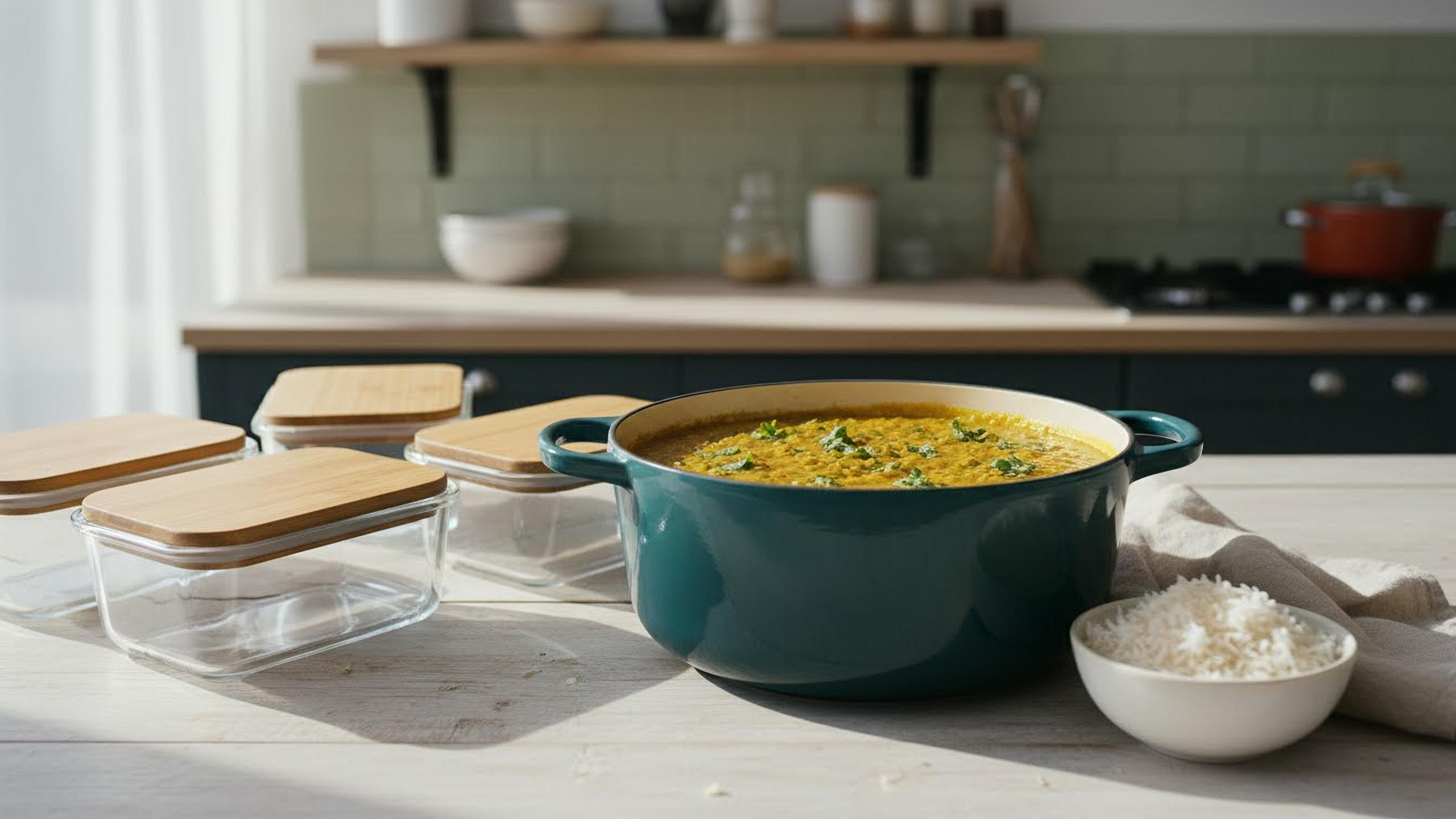
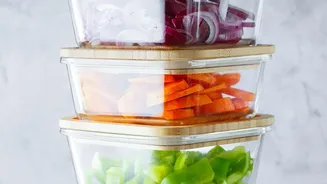
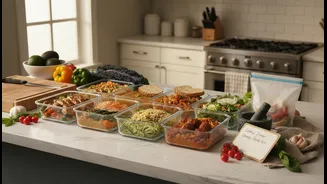
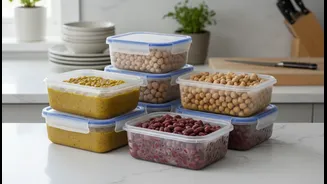
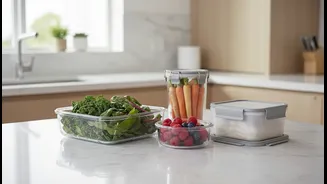
Never try to cool a large pot of food in one go. A huge volume of food retains heat for a very long time, making it nearly impossible to cool down quickly. The single most effective step you can take is to divide the contents into smaller, shallower containers. Spreading the food out increases the surface area, allowing heat to escape much more efficiently. Aim for containers where the food is no more than two to three inches deep. Stainless steel or glass pans are excellent choices as they transfer heat better than plastic. This simple act of portioning can dramatically cut down cooling time and is the foundation of safe leftover storage.
Checklist Step 2: Use an Ice Bath
For an even faster cool-down, particularly with liquid-based dishes like soups, stews, and sauces, an ice bath is your best friend. Fill a larger container or a clean kitchen sink with ice and a little cold water. Place your smaller, sealed containers of hot food into the ice bath. The ice water should come up to at least the level of the food inside the containers. Stirring the food periodically will help release heat and speed up the process even more. This active cooling method is incredibly effective at moving food through the danger zone rapidly.
Checklist Step 3: Refrigerate at the Right Time
The old advice to let food cool completely to room temperature before refrigerating is outdated and unsafe. However, you also shouldn't put a large, steaming hot pot directly into your refrigerator. Doing so can raise the internal temperature of the fridge, putting other foods at risk by warming them into the danger zone. It also forces your refrigerator's compressor to work overtime, wasting energy. The best practice is to use the methods above—dividing into shallow pans and using an ice bath—to bring the temperature down to at least 70°F (21°C) before placing the containers in the fridge. Once in the fridge, you can leave the container lids slightly ajar to allow remaining steam to escape, covering them fully once the food is completely cold.