






The Rise of the 60-Second Dopamine Hit
The endless scroll of short-form video on platforms like Instagram Reels, YouTube Shorts, and TikTok has fundamentally rewired how we consume content. These platforms deliver rapid, bite-sized bursts of entertainment, creating a powerful feedback loop.
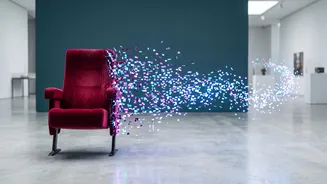
Each new video provides a small hit of dopamine, the brain's reward chemical, which makes it compelling to keep scrolling. This design encourages a state of continuous partial attention, where we are constantly engaged but never deeply immersed. The result is a habit of 'snacking' on content rather than sitting down for a full meal. This has led to a widely discussed phenomenon some call "brain rot," a colloquial term for the mental fatigue and difficulty concentrating that can follow long sessions of scrolling. Research suggests this isn't just a feeling; our average attention span on a digital device has fallen dramatically over the last two decades.
Is Our Brain Being Rewired?
The core of the issue lies in neuroplasticity—the brain's ability to adapt to new behaviours. Constant exposure to fast-paced, ever-changing stimuli trains the brain to expect novelty and immediate gratification. This can make slower, more deliberate activities, like reading a book or watching a three-hour film, feel less engaging or even difficult. Studies, including some on students in India, have found a correlation between heavy consumption of short-form video content and reduced attention spans. When our brains become accustomed to the rapid-fire editing and quick payoffs of a 30-second clip, the sustained narrative and character development of a feature film can demand a level of focus that feels increasingly taxing. It creates a cognitive impatience; we want the story to get to the point, and if it doesn't, our thumb is ready to find something that will.
The Feature Film Fights Back
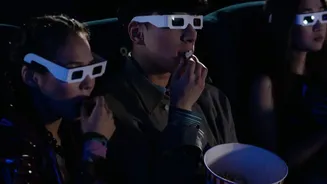
This might sound like a death knell for cinema, but the reality is more complicated. While the competition for our attention has never been fiercer, the theatrical experience offers something a smartphone cannot: complete immersion. Interestingly, recent trends in Indian cinema show that audiences are still willing to embrace long-form storytelling. Blockbusters like 'Animal' and 'Pushpa 2: The Rule' have clocked in at over three hours and found massive success at the box office. This suggests that when a film offers a compelling narrative, high production values, and a true sense of spectacle, audiences are more than willing to invest their time. The shared, communal experience of watching a film in a theatre—laughing, gasping, and reacting with a room full of strangers—remains a powerful draw that short-form content can't replicate.
A Future of Both, Not Either/Or
The battle for our screen time isn't necessarily a zero-sum game where one format must vanquish the other. Instead, we are seeing the two worlds begin to merge. Short-form video is increasingly becoming a powerful discovery tool for longer content. Viral clips and scenes shared on social media often drive viewers to seek out the full movie or series. Streaming platforms are even experimenting with short, vertical clips to help users discover new titles, adapting the familiar scrolling interface of social media for movie discovery. At the same time, creators and actors are acutely aware of the challenge. Actor Shahid Kapoor noted that the responsibility lies on both sides; audiences have less patience, but filmmakers also need to create compelling work that earns that attention. Ultimately, the future may lie in a balanced media diet, where quick-hit videos and immersive cinematic journeys coexist, each serving a different purpose in our entertainment lives.