

Powering a Permanent Lunar Presence
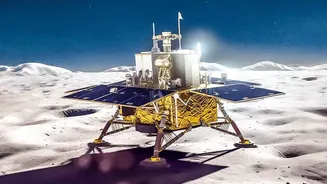
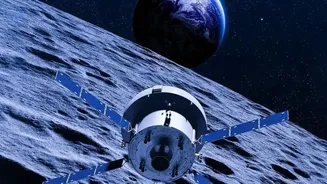
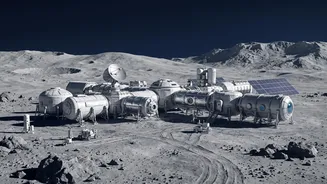
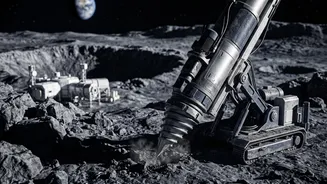
NASA's Artemis program isn't just about planting a flag; it's about building a sustainable, long-term human presence on the Moon. A key target is the lunar south pole, a region tantalizing for its potential water ice reserves but also home to some of
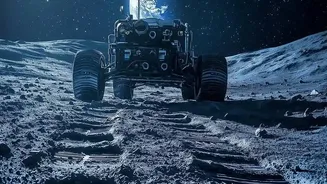
the solar system's most extreme cold. During the two-week-long lunar night, temperatures can plummet to below minus 200 degrees Celsius. At these temperatures, powering rovers, habitats, and scientific equipment becomes a monumental task. Without a reliable power source that can endure this deep freeze, the dream of a permanent lunar base remains just that—a dream. Every piece of equipment, from an astronaut's emergency kit to a multi-ton rover, needs energy that won't fail when the sun disappears for half a month.
The Deep Freeze Problem for Batteries
If you've ever had a car struggle to start on a frigid winter morning, you've experienced the fundamental problem NASA faces. Conventional lithium-ion batteries, like those in our phones and electric vehicles, rely on a liquid electrolyte to function. In extreme cold, this liquid slows down, and eventually freezes, which stops the chemical reactions that generate power and can permanently damage the battery. Until now, the only solution has been to equip lunar hardware with bulky, heavy heating units that consume a significant portion of the battery's own energy just to keep it warm. This is incredibly inefficient, robbing missions of precious power that could otherwise be used for exploration and science.
Introducing SPEARS Technology
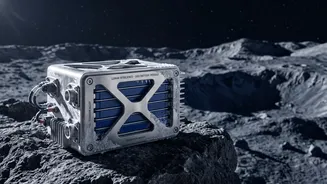
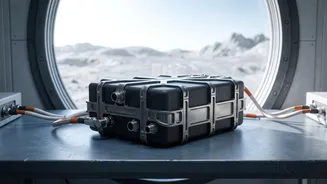
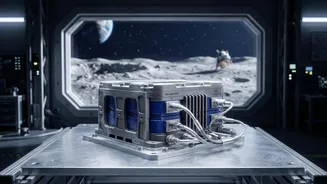
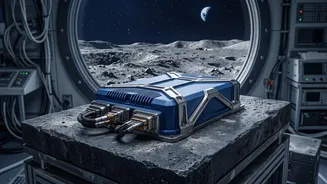
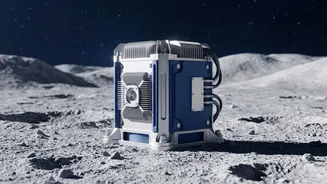
This is where NASA's latest breakthrough comes in. The project, called SPEARS (Solid Power for Extreme Environment Adaptability and Resilience in Space), fundamentally redesigns the battery. Instead of a liquid, SPEARS batteries use a solid electrolyte made of ceramic or polymer materials. This solid material is not susceptible to freezing. By eliminating the volatile liquid, the battery becomes inherently more resilient and safer, as risks of freezing, boiling in the vacuum of space, or leaking flammable material are dramatically reduced. This solid-state approach is the key to unlocking a battery that can survive the Moon's brutal temperature swings.
Surviving Minus 80 Celsius
Recent prototype tests conducted at NASA's Langley Research Center have yielded promising results. The SPEARS team proved for the first time that their small, solid-state cells can operate at temperatures as low as minus 80 degrees Celsius, albeit with some reduced performance. This is a landmark achievement. While the battery can't generate power at the absolute lowest lunar night temperatures, it can survive being chilled to an incredible minus 170 degrees Celsius without sustaining any damage. The game-changing aspect is that the battery doesn't need to be kept warm continuously. Small, efficient heaters can bring it up to its operational temperature only when needed, saving enormous amounts of energy. This would allow for lighter spacecraft, lower mission costs, and significantly longer operational lifespans for lunar equipment.
Beyond the Moon
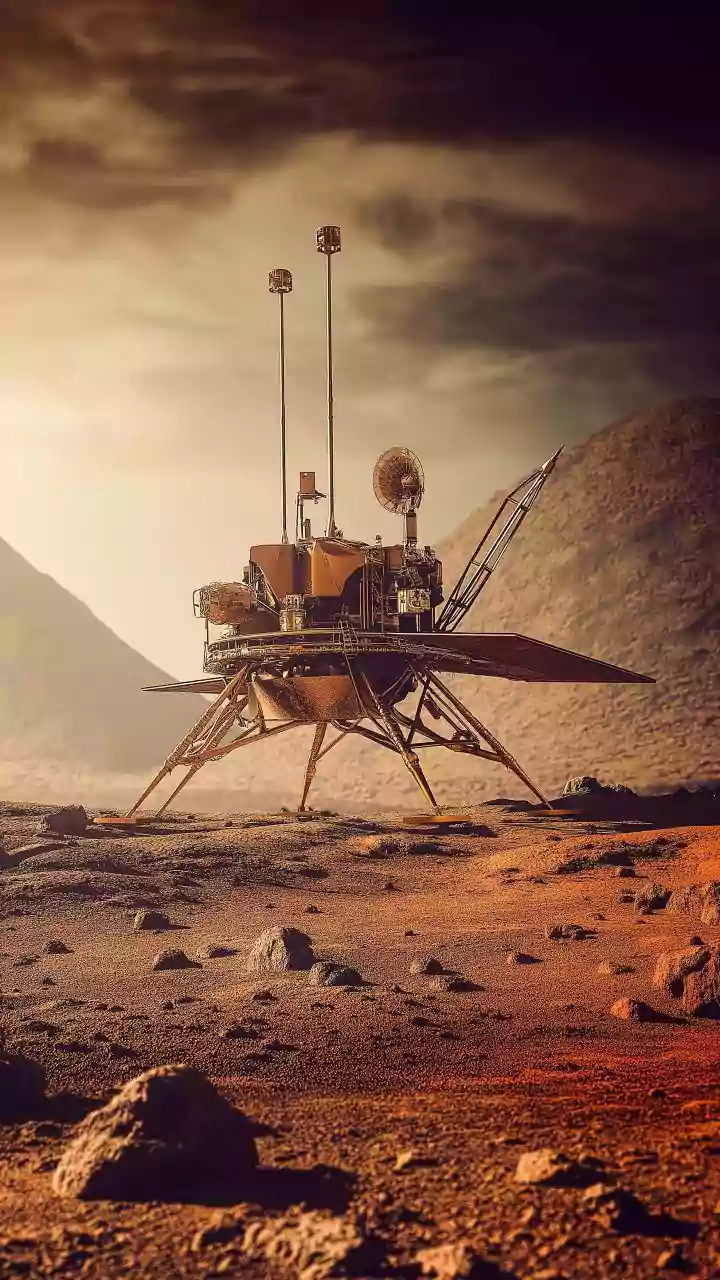
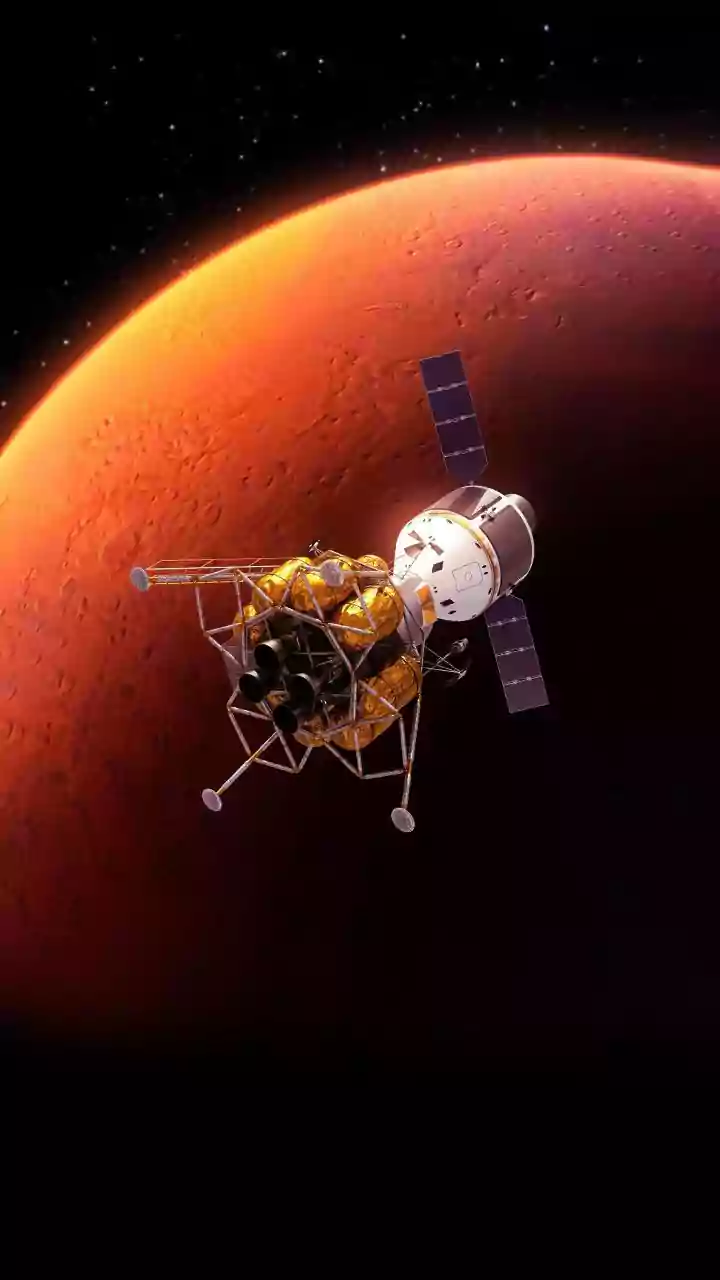
The implications of this technology extend far beyond the Moon. A battery that can withstand extreme cold could revolutionize exploration across the solar system. Future missions to the poles of Mars or the icy moons of Jupiter and Saturn, where sunlight is weak and temperatures are punishingly low, could all benefit from SPEARS technology. Even here on Earth, the innovation could find its way into terrestrial applications. Imagine electric vehicles that don't lose significant range in the winter, or reliable power for scientific research and industrial operations in Arctic and Antarctic regions. The principles demonstrated by the SPEARS project could eventually lead to more robust and reliable batteries for everyone.