


The Soul of 'Andaaz'
This magic has a name: ‘andaaz’. Translating to ‘estimation’ or ‘personal style’, andaaz is the cornerstone of traditional Indian home cooking. It’s the practice of using sensory cues—sight, smell, sound, and taste—to guide the cooking process. This is not
mere guesswork. It is an educated, honed intuition built over years of practice, observation, and repetition. For generations, recipes were not written down but passed orally from mother to daughter, grandmother to grandchild. This oral tradition made the cook, not a written page, the keeper of the recipe. It fostered a deep connection with the ingredients and the process, turning cooking into a living, breathing art form.
When Precision Fails
For the modern home cook, accustomed to the precise measurements of online recipes and international cooking shows, the idea of cooking by ‘andaaz’ can be daunting. Yet, in the context of Indian cuisine, rigid recipes can often lead to disappointment. Why? Because the ingredients themselves are not standardized. The sourness of a tomato, the potency of a new batch of turmeric, the creaminess of yoghurt—these all vary. A recipe calling for “one teaspoon of chilli powder” doesn’t account for the vast difference in heat between Kashmiri and Guntur chillies. The cook who relies on their senses will taste and adjust, while the one who strictly follows a recipe might end up with a dish that is bland or overwhelmingly spicy. The intuitive cook understands that a dal or a sabzi is a dynamic process, not a static formula.
A Symphony of Spices
At the heart of Indian cuisine is the masterful blending of spices. This is less about fixed quantities and more about understanding the role each spice plays. Cumin provides an earthy base, coriander adds a gentle, citrusy warmth, and turmeric offers colour and a mild bitterness. A seasoned cook knows how to ‘bloom’ whole spices in hot oil to release their essential oils, when to add powdered spices to a wet base to prevent burning, and which finishing spices, like garam masala, to sprinkle at the end for aroma. This layering of flavours is an art that a recipe can only approximate. True mastery comes from experiencing how spices interact with heat and with each other, creating a unique symphony of flavour in every pot.
Cultivating Your Culinary Instinct
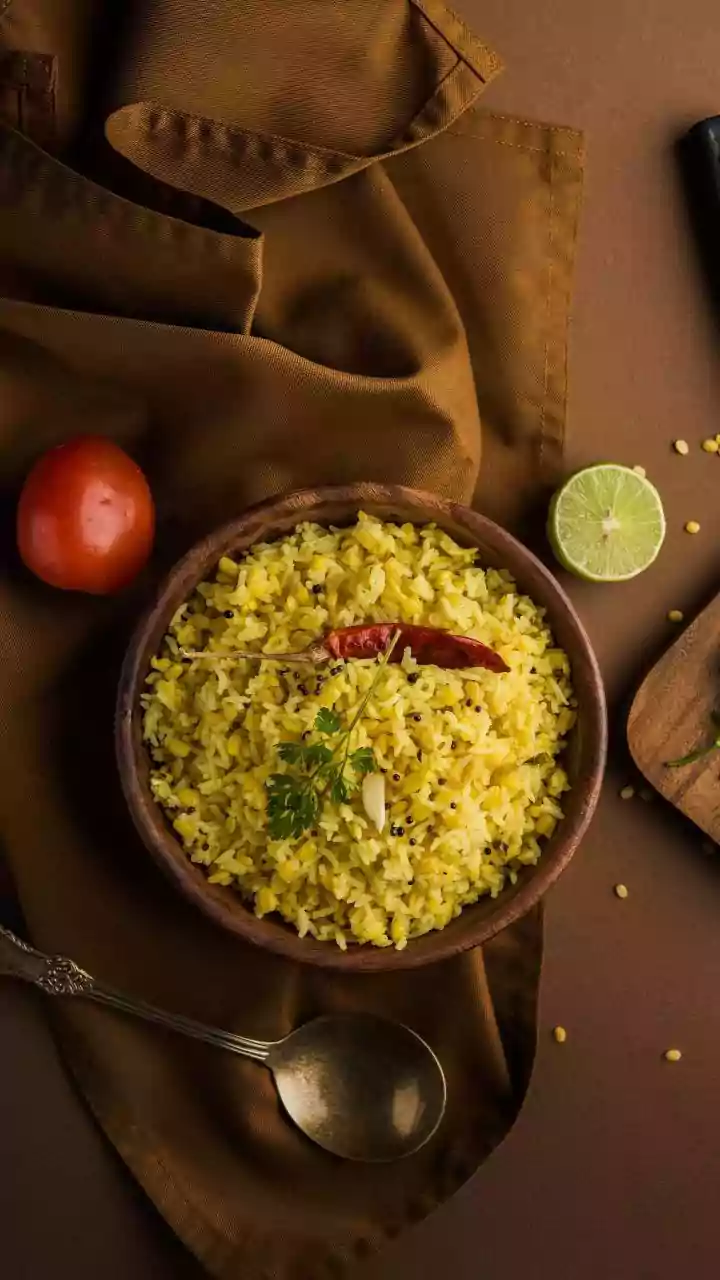
Embracing andaaz doesn't mean throwing all your cookbooks away. Recipes are invaluable roadmaps, especially for beginners. The key is to treat them as a starting point, not a destination. Start by following a recipe for a dish like a simple dal or aloo sabzi. But as you cook, engage your senses. Notice the sound of the mustard seeds popping, smell the aroma of the onions as they turn golden, and most importantly, taste at every stage. Is the salt right? Does it need more tang from a squeeze of lime or more heat from a slit green chilli? Start with simple, forgiving dishes that are mainstays of home cooking—khichdi, vegetable stir-fries, and simple curries. These are canvases for improvisation, allowing you to build confidence and develop your own personal style.