
As grocery prices climb, finding creative ways to stretch a budget is top of mind. The solution might be hiding in plain sight at your local market: the banana flower, a traditional ingredient that’s both delicious and economical.
What Exactly Is a Banana Flower?
Known in various parts
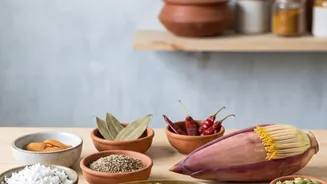
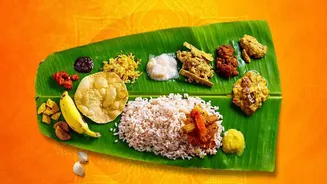
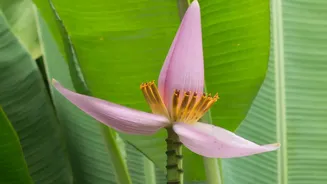
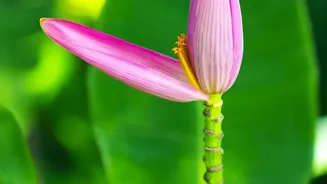
of India as 'kele ka phool', 'vazhaipoo', or 'mocha', the banana flower is the large, purple, tear-drop-shaped blossom that grows at the end of a banana bunch. For centuries, it has been a staple in South and Southeast Asian cuisines, appreciated for its unique texture and ability to absorb flavours. Often treated as a vegetable, its chunky, flaky texture makes it a fantastic addition to curries, stir-fries, and even snacks like vadas. While only the fruit is widely consumed, the flower is an overlooked part of the plant that holds significant culinary and nutritional value.
The Budget-Friendly Benefits
The primary appeal of the banana flower in a cost-conscious kitchen is its affordability and versatility. Typically sold for a low price per piece, it provides significant bulk to any dish. A single flower can be used to create a substantial side dish or extend more expensive ingredients like meat or paneer in a curry. Its high-fibre content also makes meals more filling and satisfying. Rich in nutrients like potassium, iron, calcium, and antioxidants, it’s an inexpensive way to boost the nutritional profile of your meals without relying on costly supplements or 'superfoods'. By using the flower, you are embracing a 'root-to-leaf' cooking philosophy, ensuring no part of the produce goes to waste, which inherently saves money over time.
A Simple Guide to Preparation
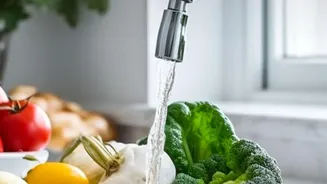
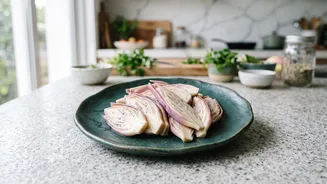
Preparing a banana flower can seem intimidating, but it's a straightforward process. The flower consists of outer purplish leaves (bracts) and rows of small florets underneath. You'll want to have a bowl of acidic water (water with lemon juice, vinegar, or thin buttermilk) ready to prevent the chopped parts from browning. First, rub some oil on your hands to avoid stains from the sap. Peel away the tough, dark outer layers until you reach the paler, tender heart. The small florets nestled under each layer are what you'll cook, but they need a quick cleaning. From each tiny floret, you must remove the tough, matchstick-like pistil and a small, translucent outer petal, as these are inedible and can be bitter. Once you reach the tender, pale inner core, you can chop it up directly. The cleaned florets and chopped heart are then soaked in the acidic water before cooking.
Easy Recipes to Get You Started
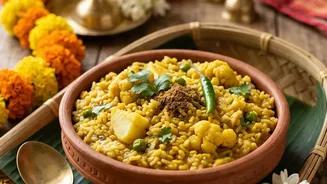
Once prepped, the banana flower is incredibly versatile. A popular South Indian dish is 'Vazhaipoo Poriyal' or 'Thoran', a simple stir-fry. To make it, the chopped flower is cooked with tempered mustard seeds, urad dal, curry leaves, and onions, then finished with a generous amount of grated coconut. Another common preparation is 'Mochar Ghonto' from Bengal, a flavourful dry curry made with potatoes and a blend of spices. For a delicious snack, you can add finely chopped banana flower to a lentil batter to make crispy vadas or fritters. Its texture also makes it an excellent plant-based substitute for fish in some recipes.
Embracing a Whole-Produce Mindset
Cooking with banana flower is more than just a single recipe; it's a gateway to a more sustainable and mindful way of eating. This practice is part of a larger zero-waste kitchen philosophy that has been integral to traditional Indian cooking for generations. This approach encourages using all parts of vegetables, from cauliflower stems and leaves to vegetable peels for making broths or chutneys. By viewing these often-discarded parts as valuable ingredients, you not only unlock new flavours and textures but also significantly reduce food waste, which is a major contributor to high grocery bills. Adopting this mindset transforms how you shop and cook, leading to a more economical and environmentally friendly kitchen.