


The Rise of the Health-Conscious Snacker
The primary engine driving this change is a growing collective consciousness around health and wellness. Indian consumers are no longer just snacking to satisfy a craving; they're looking for functional benefits. Recent studies show that a significant
majority of urban consumers actively seek out snacks that are low in sugar, high in protein, and made from natural ingredients. One survey found that 73% of Indians read ingredient labels before buying, with 93% of those readers wanting to switch to healthier options. This shift is fueled by greater awareness of lifestyle diseases and the desire for preventive wellness, pushing shoppers to choose options they perceive as nourishing rather than simply indulgent. The result is a market where 'smart snacking' is growing faster than traditional categories.
Nuts and Seeds Take Centre Stage
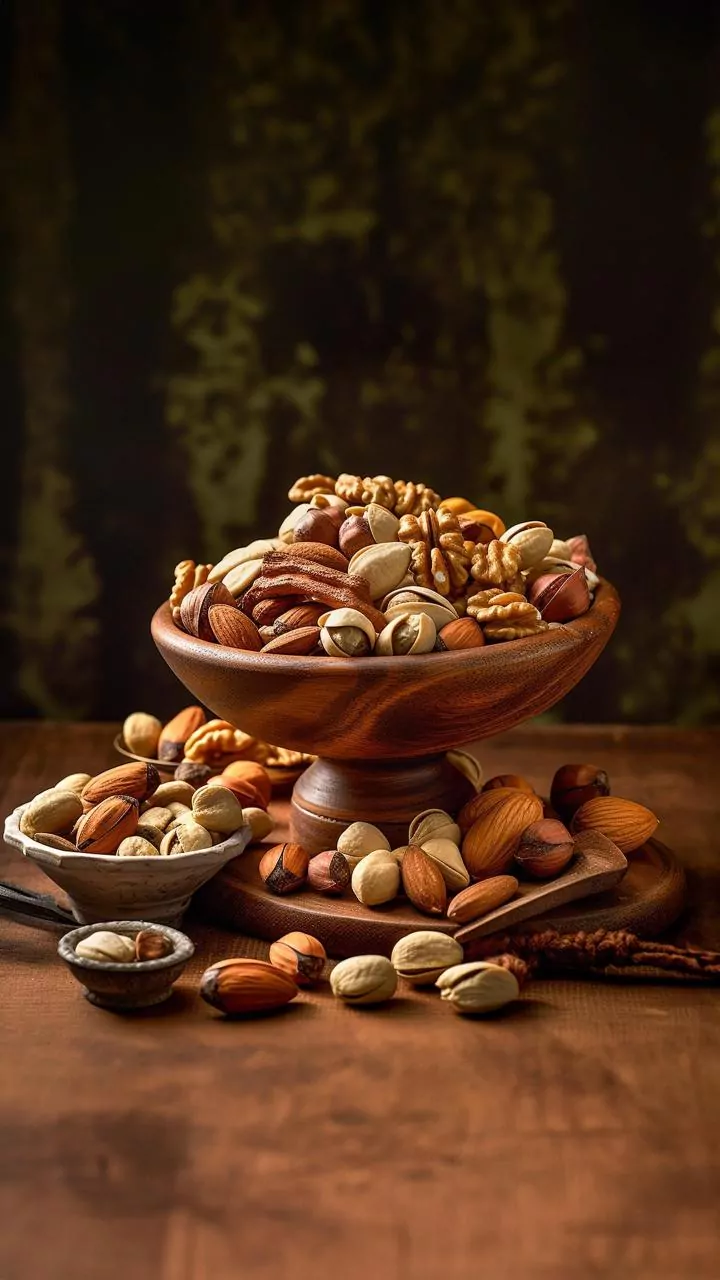
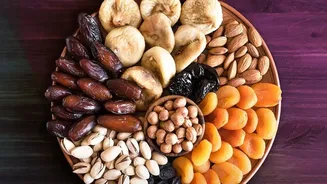
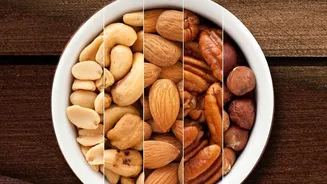
Once reserved for festive occasions or as garnishes, nuts and seeds have now become daily snacking staples. Products like almonds, walnuts, pistachios, and roasted seeds are leading the healthy snack charge, dominating the market segment. In fact, nuts, seeds, and trail mixes make up the largest share of the healthy snacks market. Traditional favourites are also being reinvented for the health-conscious palate. Makhana (fox nuts), once a food for fasting, is now a mainstream alternative to potato chips, available in various roasted flavours. Studies indicate that makhanas and dry fruits are the preferred healthy snacks for a majority of millennials, Gen Z, and Gen X consumers.
Convenience Meets Nutrition
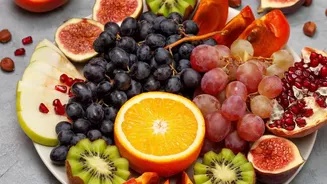
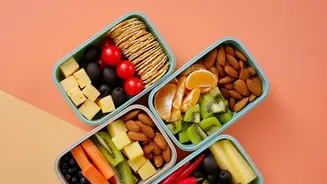
Modern urban lifestyles demand convenience, and the snacking industry is adapting. Compressed city schedules and the rise of on-the-go consumption have created a booming demand for snacks that are both healthy and easy to eat. This is where nuts, seeds, protein bars, and fruit-based snacks find their appeal. The rapid expansion of quick-commerce and online retail has made these healthier options more accessible than ever, especially in Tier 2 and Tier 3 cities. Consumers can now get their healthy snack fix delivered in minutes, a factor that has significantly accelerated the adoption of these products.
The New Wave of Snack Brands
This consumer-led revolution has been met with a surge of innovation from new-age, direct-to-consumer (D2C) brands. Companies like The Whole Truth, Farmley, Yoga Bar, and Eat Better are building their businesses on principles of clean labels, ingredient transparency, and nutritional value. They are transforming categories like dry fruits into premium, branded products and introducing novel items like millet-based chips and protein bars. These startups are leveraging digital marketing and subscription models to reach niche audiences, challenging the dominance of legacy brands that have long relied on traditional fried snacks and biscuits.
A Shift in Priorities, Not a Full Replacement
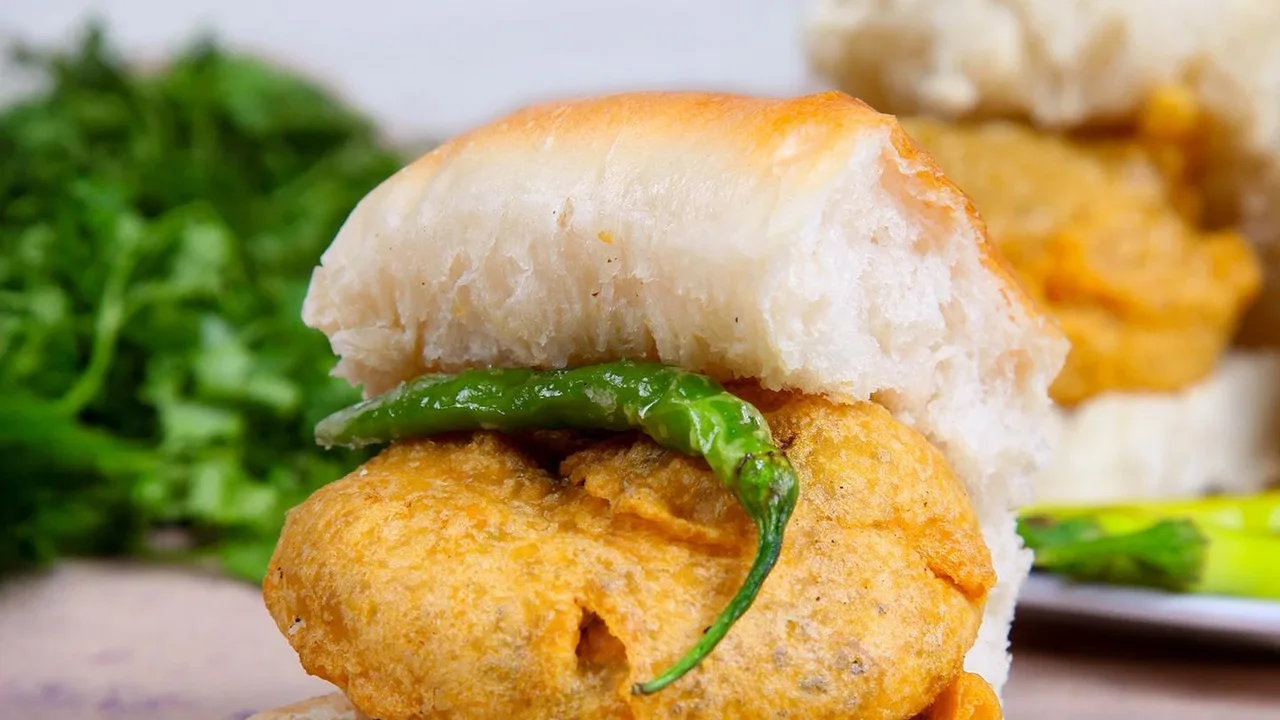
This trend doesn't spell the end for samosas and bhujia. Rather, it signals a change in their role. Traditional snacks are increasingly viewed as occasional indulgences rather than daily staples. The everyday, between-meal snack is now expected to deliver on nutrition, particularly protein. While taste remains critical, a large number of consumers now say they prioritize nutrition over it. The challenge and opportunity for the Indian food industry lie in striking the right balance: creating products that satisfy the palate without compromising on health. Cost can still be a barrier for many, with a majority of consumers finding healthier options to be expensive. However, the overwhelming desire to switch indicates that the direction of travel is firmly set towards a healthier, more mindful snacking culture.