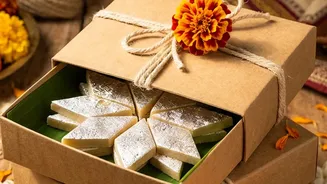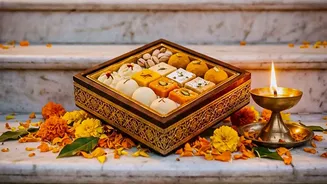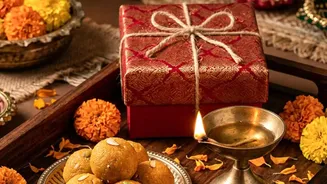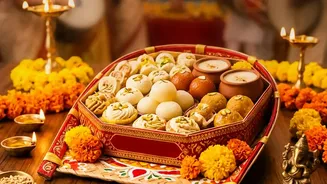


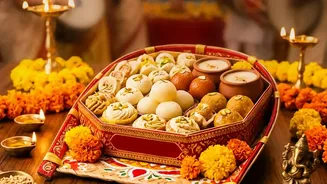
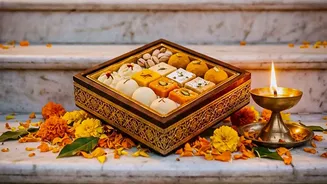
The festival of lights is incomplete without a dazzling array of sweets. But enjoying Diwali doesn't have to mean a sugar overload. Here’s how to plan a varied, beautiful, and health-conscious dessert table that’s full of flavour, not guilt.
Embrace Natural Sweeteners
The first
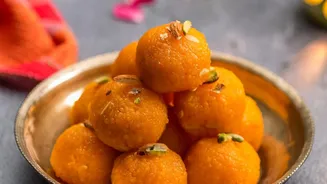
and most impactful change is swapping refined white sugar for smarter alternatives. Jaggery (gur) is a traditional favourite, rich in minerals like iron and giving desserts a deep, caramel-like flavour that enhances sweets like ladoos and halwa. Dates are another excellent choice, providing natural sweetness, fibre, and a sticky texture perfect for no-bake energy balls or barfis. Other options include coconut sugar, which has a lower glycemic index than regular sugar, and stevia or monk fruit, which are zero-calorie sweeteners ideal for those managing blood sugar. When substituting, you may need to adjust quantities, but the rich, complex flavours are a significant upgrade.
Bake, Don't Fry
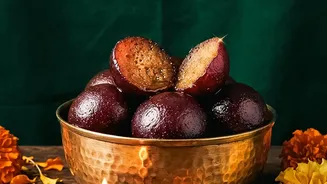
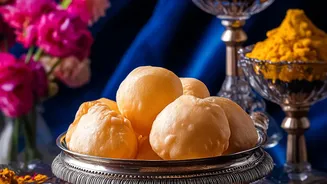
Many beloved Diwali sweets are traditionally deep-fried, but modern cooking methods offer a much lighter alternative. Baking or air-frying can drastically reduce the oil content without sacrificing the festive spirit. Classics like gujiya, for instance, can be brushed with a little ghee and baked until golden and crisp, resulting in a firm shell and a delicious, non-greasy finish. Even gulab jamuns can be baked before being soaked in a light syrup. While the texture might be slightly different, you retain all the flavour while making the treats easier to digest and lower in calories. This simple switch allows for guilt-free enjoyment of your favourite festive snacks.
Incorporate Healthier Flours
Refined flour (maida) is a common ingredient in many sweets, but it offers little nutritional value. Instead, try using whole wheat flour (atta), millet flours like ragi, or even oat flour. Ragi, for example, is packed with calcium and is naturally gluten-free, making it a fantastic base for ladoos or halwa. These whole-grain flours add fibre, which aids digestion and helps you feel fuller for longer. The result is a dessert that is not only healthier but also has a richer, nuttier taste and more interesting texture.
Load Up on Nuts, Seeds, and Fruits
Build your dessert table around sweets that are naturally packed with nutritious ingredients. Ladoos made from a mixture of dates, figs, almonds, walnuts, and seeds are a powerhouse of energy, healthy fats, and protein. Dry fruit barfis, where nuts and seeds are bound together with dates or a touch of honey, are another fantastic option that requires no added sugar. You can also feature fruit_based desserts. A colourful fruit platter, a creamy fruit salad, or a quinoa or millet kheer infused with fresh fruit offers a refreshing and light counterpoint to richer sweets.
Rethink Presentation and Portions
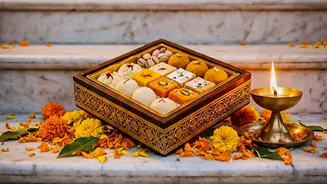
A successful dessert table isn't just about what you serve, but how you serve it. Practicing 'microstportioning' can make a big difference. Prepare sweets in smaller, bite sized versions. This not only looks elegant but also encourages guests to sample different items without overindulging. Arrange your offerings thoughtfully on the table. Mix textures by placing a soft milky peda next to a crunchy chikki. Balance the rich sweets with platters of fresh fruit and roasted unsalted nuts. This variety provides a visual feast and ensures there's a satisfying lighter option for everyone.