

What Exactly Is Saag?
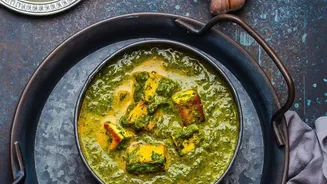
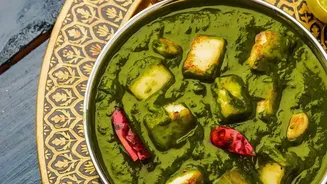
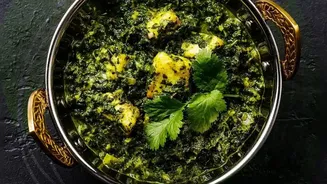
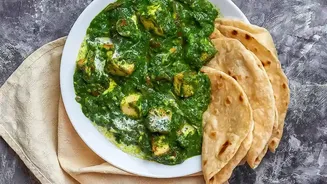
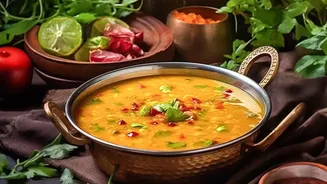
The word 'saag' comes from the Sanskrit word 'shaak', which simply means leafy green vegetables. Therefore, a saag is any dish where the primary ingredients are greens. While many people outside of India associate it with 'palak paneer' (spinach and cheese)
or 'sarson ka saag' (mustard greens), the term encompasses a wide variety of preparations. It's less a single recipe and more a technique of slow-cooking greens with spices until they become a soft, flavourful, and deeply comforting stew. The dish originates from the Indian subcontinent, with deep roots in the agricultural heartlands like Punjab.
A Garden of Greens
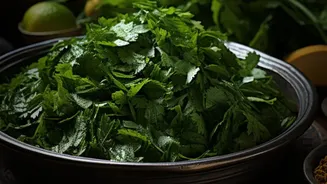
The beauty of saag lies in its versatility, using a wide array of greens that change with the seasons and regions. The most famous base is mustard greens (sarson), known for their peppery, slightly bitter taste. To balance this, other greens are often mixed in. Spinach (palak) adds a milder flavour and helps create a smoother texture. Other popular additions include fenugreek leaves (methi) for a distinct aroma, bathua (lamb's quarters or goosefoot) for a nutty creaminess, and even radish greens (mooli ke patte) for a mild pungency. Some recipes also incorporate amaranth (chaulai), collard greens, or kale. Combining at least two or three different types of greens is key to creating a complex, layered flavour.
The Undisputed King: Sarson da Saag
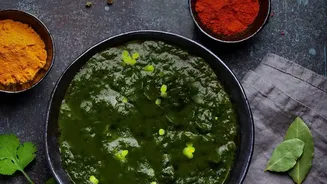
No discussion of saag is complete without honouring Sarson da Saag, the most iconic version from Punjab. Traditionally a winter dish, it is made when mustard fields are in full bloom. This preparation was originally considered the food of hardworking rural people, offering a nutritious and hearty meal. The classic recipe involves slow-cooking mustard greens with spinach and bathua, ginger, garlic, and green chillies for hours until tender. The slow cooking is crucial; it mellows the bitterness of the mustard leaves and melds the flavours into a creamy, earthy delight. It’s a dish that symbolizes the agricultural prosperity of the region and is a staple during winter festivals like Lohri.
How Saag Is Made and Served
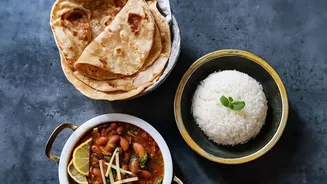
The preparation of saag is a labour of love. The greens are first thoroughly washed and chopped before being cooked down with aromatics like ginger and garlic. After hours of simmering, the mixture is traditionally mashed or blended to a coarse, thick consistency. A final tempering, or 'tadka', is often added for another layer of flavour. This involves frying onions, more garlic, and spices in ghee (clarified butter) and stirring it into the cooked greens. The classic way to serve saag, especially Sarson da Saag, is with Makki di Roti, a rustic flatbread made from maize flour. A generous dollop of white butter or ghee on top is non-negotiable, melting into the warm greens and adding a final touch of richness.
Beyond Punjab: Regional Variations
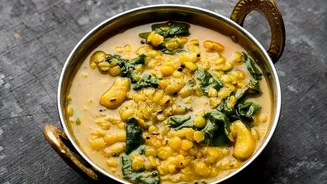
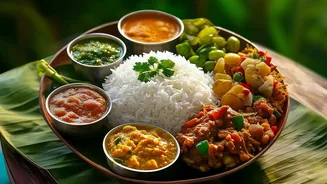
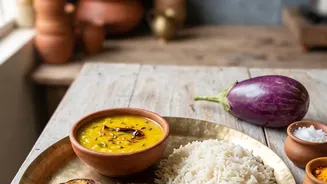
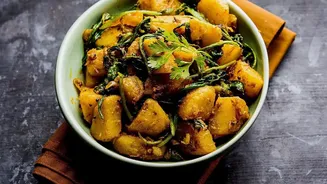
While Punjab's version is the most famous, saag is enjoyed all over the Indian subcontinent, with each region putting its own spin on it. In West Bengal and Odisha, 'shaak' or 'saga' is a daily staple, with preparations like Pui Saag (Malabar spinach) or Kochu Saag (colocasia leaves) often seasoned with mustard paste. In Andhra Pradesh, Gongura, a sour-tasting sorrel leaf, is used to make a tangy dal. The Garhwali and Kumaoni cuisines of Uttarakhand feature unique local greens like 'bicchu ghas' (stinging nettle), which are boiled to remove their sting and then cooked into a saag. These variations show how the simple concept of cooking down leafy greens has been adapted to local tastes and available produce across India.