



The Morning Reality Check
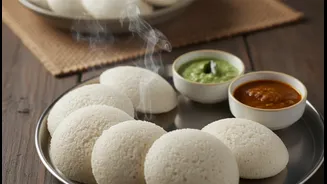
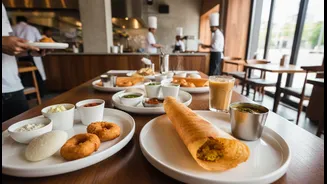
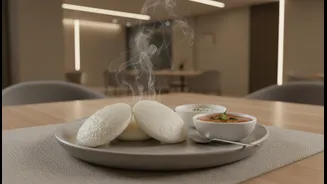
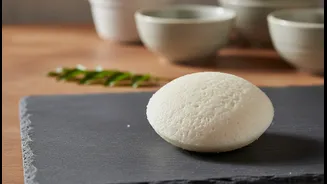
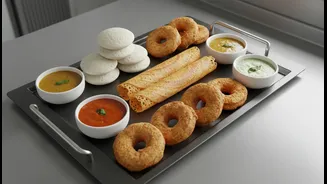
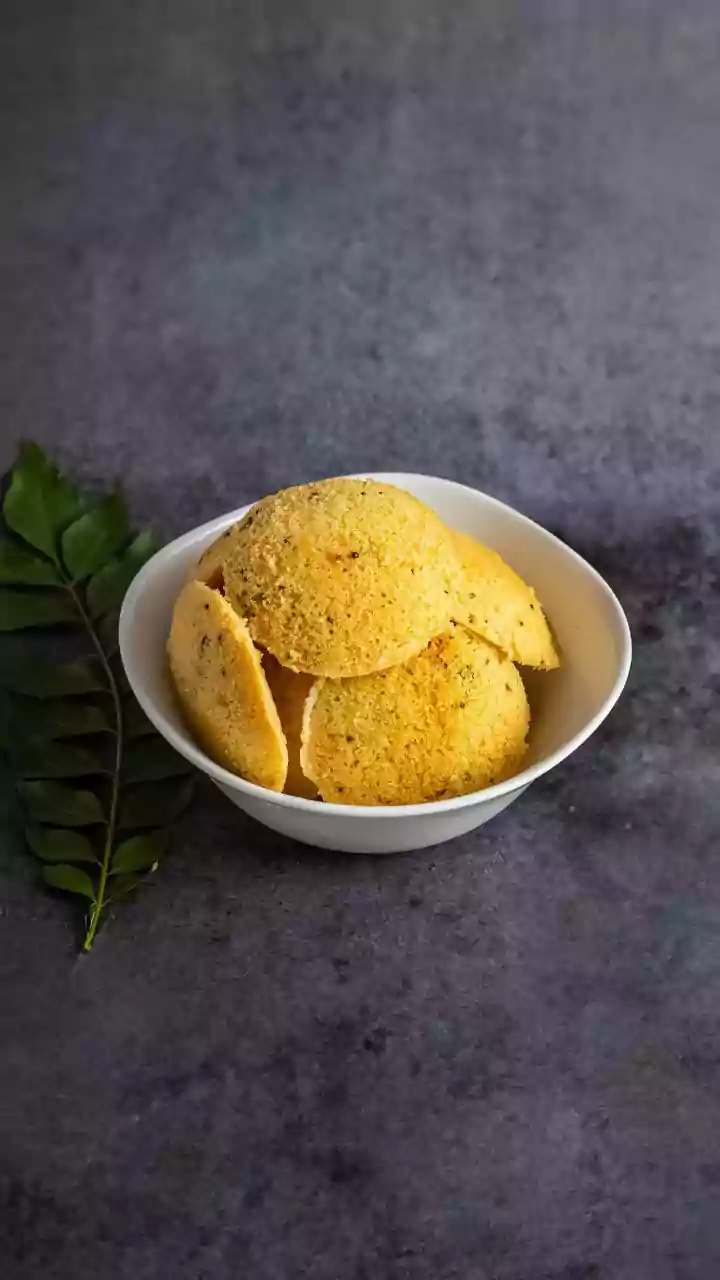
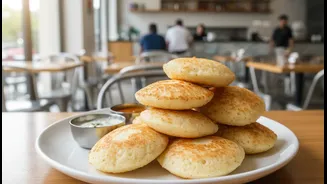
There are few culinary experiences as satisfying as a proper South Indian breakfast. The pillowy softness of an idli, the savoury crunch of a medu vada, the intricate dance of flavours in a bowl of sambar, and the architectural marvel of a perfectly crisp
dosa. It’s a breakfast that nourishes the soul. But let’s be honest: for most of us, this is a weekend indulgence, not a Tuesday morning reality. The modern workday waits for no one, and the time required to either prepare these dishes at home or sit down at a restaurant is a luxury many can't afford. Studies have shown a significant portion of urban Indians skip breakfast, with lack of time being a primary reason. This is where the tragedy lies. A cuisine so perfectly suited for a healthy, energising start to the day is becoming inaccessible precisely when we need it most.
Beyond the Darshini Model
Bengaluru's iconic 'darshini' restaurants were a revolutionary concept when they first appeared in the 1980s, inspired by Western fast-food chains. With their stand-and-eat tables, pay-first system, and rapid service, they created a blueprint for quick, affordable South Indian tiffin. They are, in essence, India’s original Quick Service Restaurants (QSRs). However, the darshini model, while brilliant, has its limitations. It has remained a hyper-local phenomenon, largely confined to Karnataka, and hasn't scaled into a nationally recognised, standardised chain like a McDonald's or a Domino's. The reasons are complex, ranging from high employee turnover to challenges in maintaining consistent quality across branches. For South Indian breakfast to truly go mainstream, it needs to evolve beyond this proto-fast-food model into something more robust, scalable, and system-driven.
What Would a Makeover Look Like?
A true fast-food makeover isn't about compromising on taste; it's about revolutionising the process. Imagine a streamlined menu focusing on the 'greatest hits': idli, vada, and a few varieties of dosa. The back-end operation would be a marvel of efficiency. Centralised kitchens could produce high-quality, standardised batter that’s shipped to outlets, ensuring consistency. Technology can play a huge role, from automated dosa makers that guarantee a perfect crepe every time to smart inventory systems. The biggest hurdle, however, is packaging. How do you deliver a dosa that doesn’t turn into a soggy mess? The solution lies in innovation: vented, structured boxes that separate the dosa from its fillings, and spill-proof containers for sambar and chutney. Companies are already developing solutions like paper-based containers with barrier coatings and packaging from natural materials like areca palm leaves. It's about applying industrial-scale problem-solving to a traditional craft without losing the essence.
Authenticity Is Not a Static Concept
The immediate counter-argument, of course, is the cry for authenticity. Will a fast-food dosa taste the same as one made by a seasoned chef in a local eatery? Perhaps not identical, but that’s not the point. Authenticity isn't a museum piece; it's a living, breathing concept that adapts to the times. North Indian cuisine has successfully made this leap with chains serving quick chole bhature and kebabs. The goal is not to replace the beloved neighbourhood restaurant or the cherished home-cooked meal. The goal is to create a new category: a reliable, high-quality, convenient option for people on the go. This new format can coexist with traditional ones, serving a different need. A well-executed QSR chain could even act as a gateway, introducing the cuisine to a wider audience who might then seek out more 'authentic' experiences.