

The Enduring Magic of Mithai
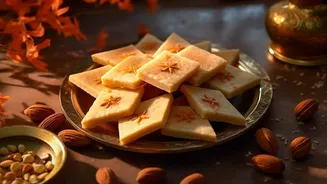
For generations, Diwali celebrations have been inseparable from traditional sweets, or mithai. These are not just desserts; they are symbols of joy, togetherness, and heritage. The taste of a warm gulab jamun soaked in fragrant syrup, the nutty aroma
of besan ladoo, or the delicate, diamond-shaped kaju katli are deeply woven into the fabric of festive memories. Each sweet tells a story, connecting families to their roots and to celebrations of the past. Making these sweets at home is a cherished ritual, while gifting them is a gesture of love and respect. This deep emotional and cultural connection is why, even in a rapidly changing world, the classic mithai box remains a cornerstone of the festival.
The Rise of the New Contenders
Alongside the familiar favourites, a new cast of characters is making a grand entrance onto the Diwali scene. Driven by global exposure and evolving palates, especially among younger generations, modern treats are now a common sight. This includes everything from gourmet chocolates and macarons to bakery delights like cupcakes and brownies. However, the most exciting space is the rise of 'fusion mithai'—innovative creations that blend Indian and Western dessert concepts. Think rasmalai tiramisu, Biscoff-flavoured pedas, or the now-famous gulab jamun cheesecake. These hybrids offer the perfect crossroad between tradition and innovation, providing a novel experience that still feels comfortingly familiar.
A Shift Towards Healthier Indulgence
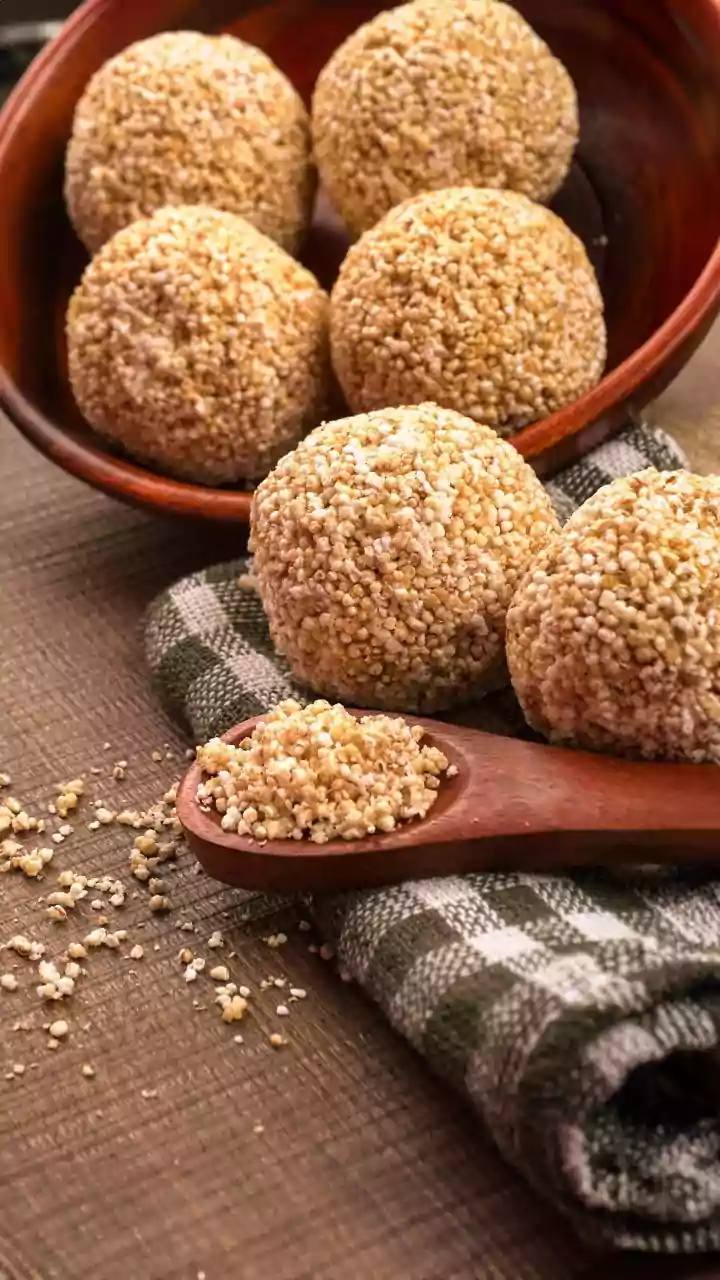
A significant driver of change is a growing health consciousness across India. Many families are now actively seeking ways to reduce their sugar intake and make healthier choices, even during festivals. This has led to a surge in demand for 'guilt-free' options. Traditional sweets are being reimagined with natural sweeteners like jaggery, dates, or honey instead of refined sugar. There's also a move towards using more nutritious ingredients like millets, ragi, and whole grains. Baking is replacing deep-frying for snacks like gujiya and shakkarpara, offering a lighter way to enjoy festive crunch. The focus is shifting from quantity to quality, with people preferring smaller portions of well-made, artisanal sweets.
The 'Best of Both Worlds' Platter
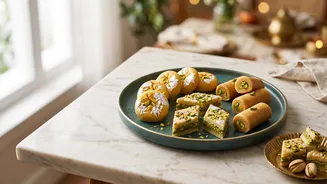
So, how do families actually strike a balance? The answer isn't about replacement, but expansion. Few are completely abandoning tradition. Instead, they are curating a 'best of both worlds' experience. A typical Diwali platter today might feature homemade ladoos sitting right next to a box of artisanal dark chocolate bonbons. It’s about honouring the tastes of every generation. Grandparents might prefer the classic peda, while children and young adults are excited by a new fusion dessert they saw on social media. Gifting reflects this trend, too, with many opting for hampers that mix traditional mithai with modern, 'Instagram-worthy' treats like pistachio bonbons or tres leches. This approach allows families to uphold cherished traditions while embracing the excitement of the new.
A Delicious Reflection of Modern India
Ultimately, the evolution of the Diwali sweet box is a mirror to the evolution of modern Indian identity: deeply rooted in tradition but open to global influences. The desire for something new isn't seen as a rejection of the old, but as a way to enrich the celebration. Chefs and home cooks are finding creative ways to innovate without losing the essence of what makes a sweet feel festive and nostalgic. This blend of flavours and formats ensures that the sweets of Diwali continue to be a source of joy and connection for everyone, bridging generational tastes and creating new traditions along the way.