






Meet Dewi: Your New Digital Guide
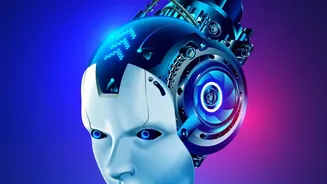
Dewi is an AI-powered avatar launched by the Indian Embassy in Jakarta, Indonesia, to serve as a new channel for public outreach. The name 'Dewi' translates to 'goddess' in Indonesian, a culturally resonant choice that was fittingly announced during the auspicious
occasion of Navaratri and Durga Puja. Presented as a virtual guide, Dewi is designed to provide information on a wide range of topics. This includes details on Indian culture and tourism, scholarship opportunities, business and investment avenues, and crucial updates on consular services like visas and passports. The avatar aims to make information more accessible to Indonesians, the large Indian diaspora of over 1.4 lakh people living in the country, and anyone interested in the India-Indonesia partnership. Dewi will communicate in both English and Bahasa Indonesia, breaking down language barriers and bringing stories about the bilateral relationship closer to the public.
The Strategy Behind AI Diplomacy
The introduction of Dewi is more than just a technological novelty; it represents a strategic shift in how India conducts its public diplomacy. By automating responses to routine queries, the initiative aims to free up embassy staff to concentrate on core diplomatic functions that require human nuance and strategic thinking. This move aligns with Prime Minister Narendra Modi's emphasis on leveraging technology to enhance governance and diplomacy, part of a broader push for a 'Digital India'. Other Indian missions have also begun integrating AI. The Consulate in Munich launched a similar avatar named 'Sarathi', while the 'MADAD' portal has already digitized the management of consular grievances globally. These initiatives reflect a clear vision to make diplomatic services more efficient, accessible, and citizen-centric, using technology to handle high volumes of inquiries and educate the diaspora.
Boosting Soft Power and Engagement
Deploying AI avatars like Dewi is a significant move to enhance India's soft power and project an image of a modern, technologically advanced nation. In an era where digital engagement is paramount, such tools offer a novel way to connect with a younger, tech-savvy audience. The avatar serves as a 24/7 digital touchpoint, ensuring that information about India is consistently and readily available. This is particularly important for consular services, where timely and accurate information can significantly improve the experience for citizens abroad and foreign nationals seeking visas. By offering a user-friendly interface for common questions, the embassy can strengthen its engagement with local communities and foster a deeper understanding of India's culture and economic opportunities. The initiative has been met with positive public reaction, with many seeing it as a practical application of AI in government services.
The Future: Balancing Tech and the Human Touch
While AI presents exciting opportunities for diplomacy, its adoption also comes with challenges and considerations. External Affairs Minister S. Jaishankar has himself called for responsible discussions around AI's development, emphasizing the need for regulations and guardrails. One of the primary concerns is ensuring the AI provides accurate and secure information, avoiding the pitfalls of misinformation that poorly supported AI engines can create. Furthermore, diplomacy often relies on human relationships, trust, and the ability to interpret subtle cues—skills that AI cannot yet replicate. Therefore, the goal is not to replace human diplomats but to augment their capabilities. Tools like Dewi are best seen as powerful assistants that can manage repetitive tasks, analyze data, and expand outreach, allowing diplomatic staff to focus on the high-stakes work of negotiation and relationship-building.