


The Wall and Ceiling Inspection
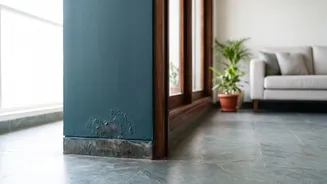
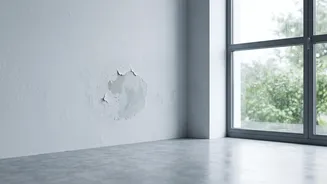
The most common post-monsoon complaint is dampness, which leads to mould and peeling paint. Carefully inspect all walls and ceilings, especially corners and areas near windows. Look for discoloured patches, a musty smell, or bubbled paint. Pay close attention
to the wall behind large furniture like beds and cupboards, as these spots have poor air circulation. While minor surface mould can often be cleaned, widespread dampness indicates a deeper issue like a structural leak that is the landlord's responsibility to fix. Use your phone to take clear pictures and videos of any problem areas.
Check Windows, Doors, and Balconies
Monsoon rains test the integrity of every seal in your home. Check wooden window frames and doors for any swelling, which can make them difficult to shut and lock properly, posing a security risk. Inspect the seals around window panes and balcony doors for any signs of water seepage. On balconies, ensure the drainage holes are clear of leaves and debris to prevent water from stagnating and flowing back into the house. Any cracks or gaps that allowed water in should be reported to the landlord for sealing.
A Crucial Electrical Safety Audit
Dampness and electricity are a dangerous combination. Check the areas around switchboards and electrical sockets, particularly on walls that showed signs of dampness. Look for any discolouration, rust, or a crackling sound when you use a switch. If you experienced any circuit trips during the monsoon, inform your landlord. Do not attempt to fix electrical issues yourself; these are serious safety hazards that require a professional electrician, a repair that typically falls under the landlord's duties.
Begin the Pest Patrol
The post-monsoon period often sees a surge in pests like mosquitoes, cockroaches, and termites seeking shelter in dry homes. The damp environment is an ideal breeding ground. Check inside kitchen cabinets, under the sink, and in dark storage areas for any signs of infestation. Ensure there is no stagnant water collecting inside or outside the house, which is a breeding site for mosquitoes. While daily cleanliness is the tenant's duty, a widespread infestation may require professional pest control, which you should discuss with your landlord.
Care for Wooden Furniture and Wardrobes
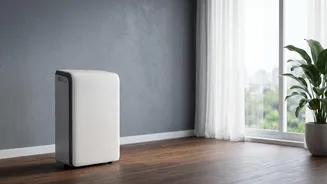
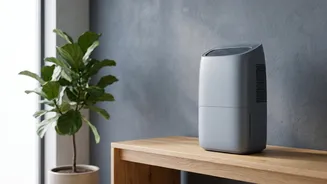
High humidity can wreak havoc on wooden items. Check your wardrobes and cabinets for a musty smell or the start of fungal growth. If possible, air them out on a dry, sunny day. To absorb residual moisture, you can place moisture absorbers, camphor balls, or neem leaves inside. Move furniture about six inches away from any walls that were damp to allow air to circulate and prevent damage to both the wall and the furniture. This simple step can prevent long-term damage to your belongings.
Document and Communicate with Your Landlord
For renters, clear communication is key to getting issues resolved and protecting your deposit. Create a consolidated list of all the issues you've found, supported by the photos and videos you took. Send this to your landlord via email or WhatsApp so you have a written record. Under India's Model Tenancy Act, 2021, structural repairs like fixing leaks and major electrical faults are the landlord's responsibility. Informing them promptly and in writing is the first and most important step. If repairs are delayed, tenants may have the right to undertake them and deduct the cost from rent, within certain limits.