




The Scale of the Problem
Pet obesity is a significant issue, with studies showing that more than half of dogs and cats are overweight or obese. In India, the prevalence is estimated to be between 40% and 60% among urban pets. This extra weight isn't just cosmetic; it's a chronic
inflammatory condition that puts pets at risk for serious health problems. These include diabetes, heart disease, arthritis, joint problems, respiratory issues, and even certain types of cancer. Carrying excess weight can shorten a pet's life by up to two and a half years and significantly reduce their quality of life.
Why Every Treat Counts
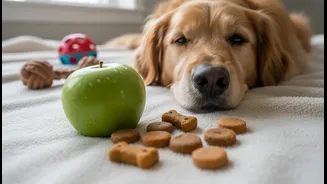
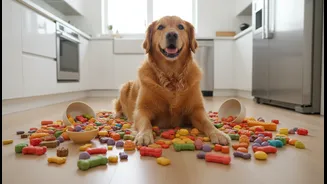
Many owners are surprised to learn how many calories are packed into common pet treats. Just one large dog biscuit can contain over 100 calories, while some dental chews can have as many as 600. Given that a medium-sized dog might only need around 500 calories per day, these additions add up quickly. The widely accepted guideline from veterinarians is that treats should make up no more than 10% of a pet's total daily calorie intake. Exceeding this can unbalance their diet and lead to weight gain. It's often the action of giving the treat, not the size of it, that your pet truly values.
Rethinking Love and Rewards
For many, giving food is a primary way to show affection. Some owners even admit to giving treats out of guilt for not spending enough time with their pets. However, it's crucial to reframe this thinking. True affection lies in ensuring your companion lives a long, healthy, and active life. Managing their weight is a fundamental act of love, not deprivation. Fortunately, there are many ways to reward your pet that don't involve food. Enthusiastic verbal praise, a favorite toy, a game of fetch, or a good belly rub can be just as motivating as a biscuit. These non-food rewards strengthen your bond without adding extra calories.
Smarter Treating Strategies
You don't have to eliminate treats entirely. The key is to be mindful. First, calculate your pet's daily calorie needs with your vet's help, and then determine the 10% treat allowance. When giving treats, break them into smaller pieces; your pet will still feel rewarded multiple times with a single snack. You can also set aside a portion of their regular daily kibble to use for training and rewards throughout the day. This ensures they are getting balanced nutrition without extra calories. Also, make them "work" for their treats by asking for a simple command like 'sit' or 'stay', which reinforces good behaviour.
Healthy and Safe Alternatives
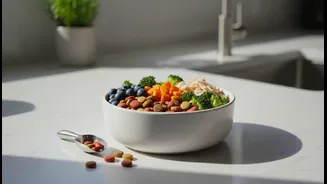
When you do give treats, opt for healthier, low-calorie options. Many fresh vegetables make excellent snacks for dogs, such as baby carrots, green beans, and cucumber slices. Fruits like apple slices (without seeds) and blueberries are also great in moderation. For both dogs and cats, small pieces of plain, cooked lean meats like chicken or turkey are high-value rewards. You can also find commercially produced low-calorie treats designed for weight management. Always introduce new foods slowly and avoid toxic human foods like grapes, raisins, chocolate, onions, and anything containing the sweetener xylitol.