



From Humble Pond to Pantry Staple
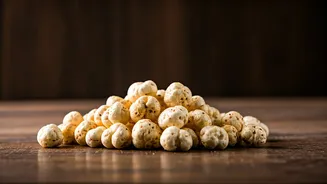
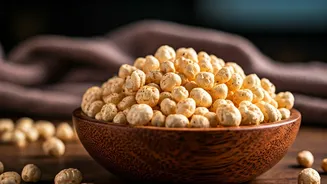
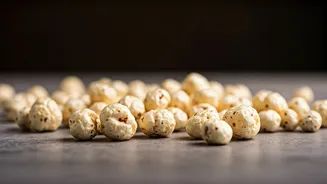
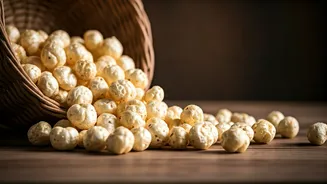
Before it was a trendy packaged snack, makhana, or fox nut, was a quiet staple in Indian homes for centuries. Harvested from the seeds of the Euryale ferox, a species of water lily, these puffy, white balls have long been cherished in traditional cuisine.
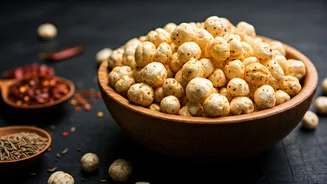
They are especially popular during religious fasts like Navratri, when grains are avoided. Traditionally, they were simply pan-roasted in a little ghee until crisp, and perhaps sprinkled with rock salt. This simple preparation highlights their unique texture—a light, airy crunch that dissolves in your mouth. From being an ingredient in rich curries and sweet kheer to a simple fasting food, makhana has always been part of India’s culinary fabric. Its recent explosion in popularity isn’t the discovery of a new food, but the rediscovery of an ancient one.
The Undeniable Health Halo
So why the sudden surge in popularity? A huge part of the answer lies in its impressive nutritional profile. At a time when consumers are actively scanning labels for healthy options, makhana ticks all the right boxes. It is naturally low in calories and fat, making it a far lighter alternative to fried potato chips or namkeen. It's packed with protein and fibre, which promote a feeling of fullness and help curb mindless munching. For the gluten-intolerant, makhana is a godsend, being completely gluten-free. Furthermore, it boasts a good amount of essential minerals like magnesium, potassium, and phosphorus. Ayurveda has long valued it for its cooling properties and benefits for the heart and kidneys. In essence, it’s a snack that you can feel good about eating, which is a rare and powerful combination in today's market.
The Modern Makeover: From Pan to Packet
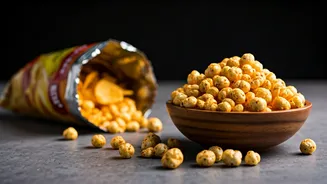
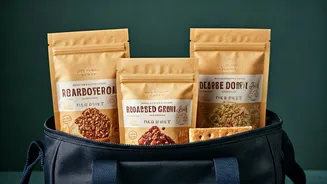
The real game-changer has been the commercialization and clever branding of makhana. For years, preparing it meant buying raw makhana and roasting it at home. But a new wave of snack companies saw an opportunity to package this convenience. They took the home-roasted concept and scaled it, making makhana as accessible as a bag of chips. By offering pre-roasted, seasoned, and ready-to-eat makhana in airtight packets, they solved the modern snacker’s need for convenience. Suddenly, this traditional food was available at the local kirana store, in supermarkets, and on online platforms, perfectly positioned for an evening snack, a tiffin treat, or a travel companion. This shift from a raw ingredient to a finished consumer good was the critical step that brought makhana into the mainstream snack conversation.
Masala: The Magic Flavour Weapon
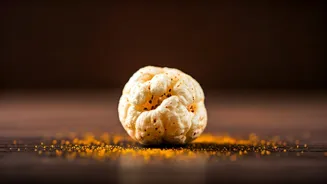
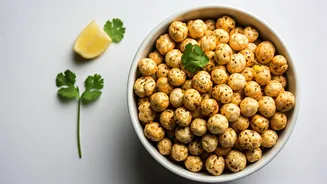
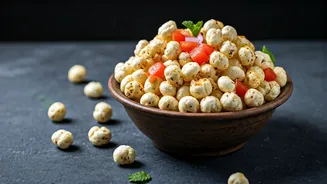
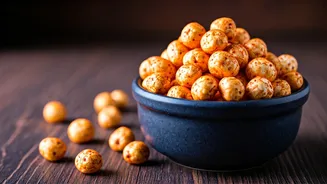
While plain roasted makhana is pleasant, it’s the ‘masala’ that has truly made it a star. The neutral, slightly nutty flavour of makhana makes it a perfect canvas for a wide array of seasonings. And for the Indian palate, nothing is more appealing than a well-balanced masala mix. Brands have launched dozens of flavours, from classic Pudina and Tangy Tomato to more adventurous Peri Peri and Cheese. The quintessential ‘masala’ variant, however, remains the bestseller. This blend of chaat masala, black salt, amchur (dried mango powder), and a hint of chilli powder creates an irresistible explosion of tangy, spicy, and savoury notes. It transforms the mild-mannered makhana into a crave-worthy snack that satisfies the desi craving for flavour, providing a satisfying crunch without the guilt of deep-frying.
Is It More Than Just a Trend?
With any food trend, there's always the question of staying power. Is masala makhana just a fleeting fad, or is it here to stay? All signs point to the latter. Unlike many health foods that compromise on taste, masala makhana delivers on both flavour and nutrition. It aligns perfectly with the global shift towards healthier, plant-based, and gluten-free eating habits. It’s not an imported concept like quinoa or kale; it's a homegrown superfood, which adds a layer of cultural resonance and pride. As more people discover its benefits and deliciousness, and as brands continue to innovate with new flavours and formats, masala makhana is solidifying its place not just as a trend, but as a permanent and beloved fixture in the Indian snacking landscape.