





An Erratic and Uneven Pattern
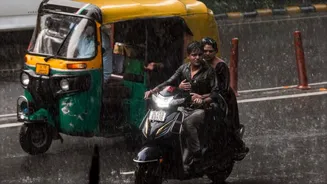
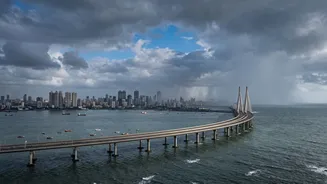
The 2026 monsoon season has been far from typical. After a concerningly delayed and weak start in June, which saw lake levels drop to alarming lows, the city has experienced periods of extremely heavy downpours followed by significant dry spells. While
the season's total rainfall at the Santacruz observatory is close to the average, the distribution has been erratic. August, in particular, has seen a major deficit. As of August 25, the city had received just 302.3 mm of rain for the month, a fraction of the 1054.2 mm recorded during the same period last year. This pattern of intense, short-lived deluges and extended dry periods defines the “uneven” nature of this year’s monsoon, posing unique challenges for civic infrastructure and daily life.
Good News for the Water Supply
Despite the inconsistent rainfall, the city's water supply is in a healthy position, a major relief after the critical shortages feared in June. As of August 27, the seven lakes that supply Mumbai with drinking water held a combined 13,87,210 million litres, which is 95.84% of their total capacity. This is only slightly below the 96.74% level recorded on the same day in 2025 and comfortably above the 94.87% from 2024. Several of the smaller lakes, including Vihar, are already overflowing. While Upper Vaitarna remains the lowest-filled reservoir at just under 90%, the overall storage provides a strong buffer, making significant water cuts unlikely in the near future.
Health Risks from Inconsistent Weather
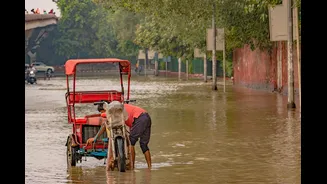
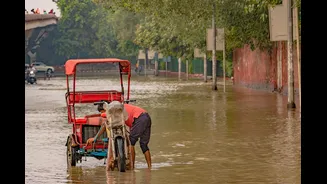
The fluctuating weather pattern—intense rain causing waterlogging, followed by warm, humid spells—has created ideal breeding conditions for mosquitoes, leading to a rise in vector-borne diseases. In July, the Brihanmumbai Municipal Corporation (BMC) reported a sharp increase in cases of malaria, dengue, and H1N1 compared to previous months. Cases of leptospirosis, a bacterial infection spread through contact with contaminated water, have also seen a spike, a direct consequence of waterlogging. The BMC has urged citizens to take preventive measures, such as eliminating stagnant water around homes, using mosquito repellents, and seeking immediate medical attention for fever instead of self-medicating.
Precautions for the Rest of the Season
With the monsoon expected to continue through September, residents should remain cautious. The India Meteorological Department (IMD) has forecast a generally subdued monsoon for the remainder of August and September nationwide, with rainfall likely to be below normal. For Mumbai, forecasts predict light to moderate rain in the immediate future, with heavy spells remaining a possibility but not a certainty. Residents should continue to take precautions against water-borne and vector-borne illnesses. Avoid wading through waterlogged areas if possible, especially with open cuts or wounds, to prevent leptospirosis. Drink boiled or purified water and maintain good hygiene. Keep abreast of daily weather alerts from the IMD and advisories from the BMC, as conditions can change rapidly.